Best Time to Visit the Uyuni Salt Flats: Our February Mirror Experience

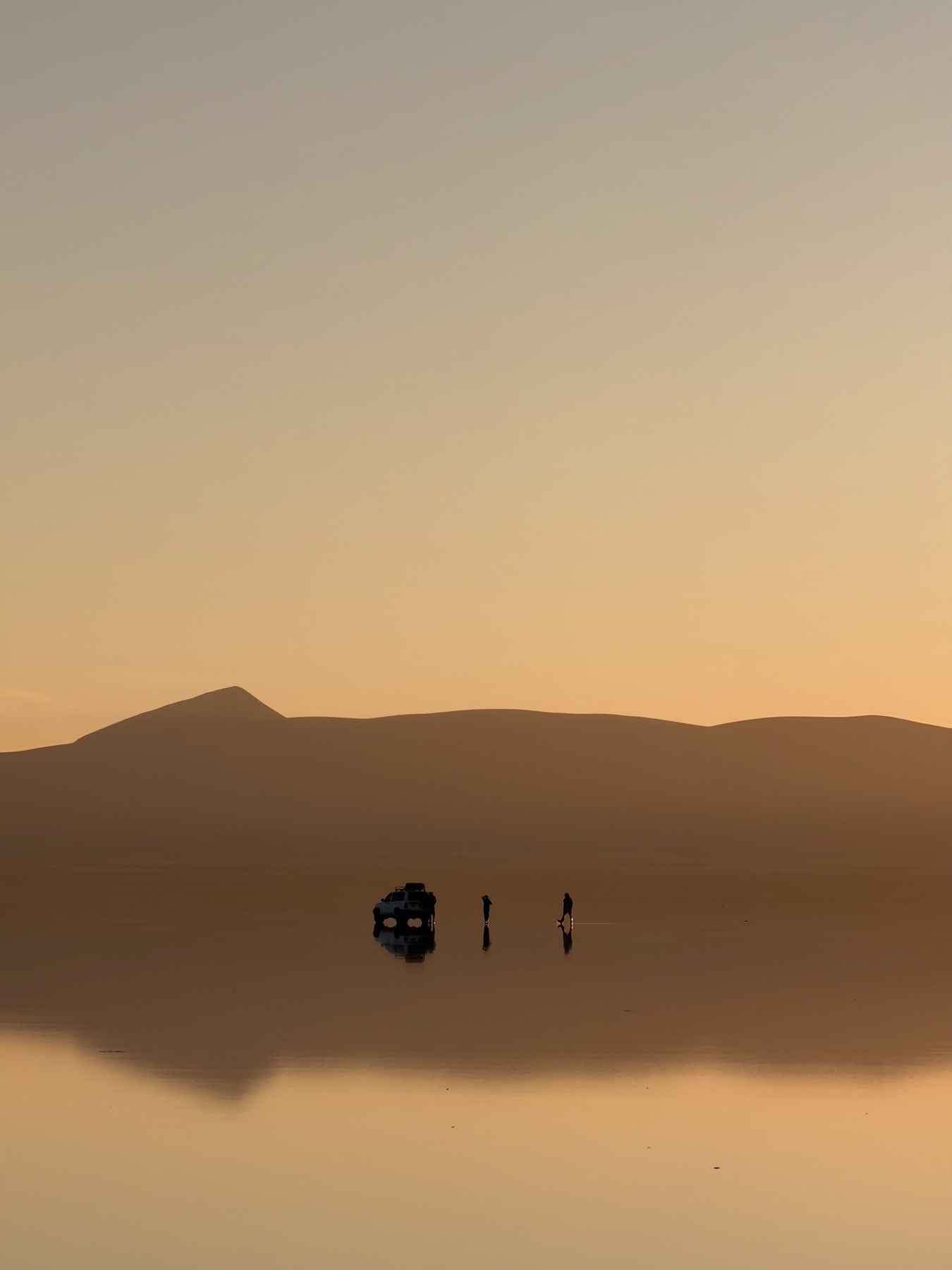
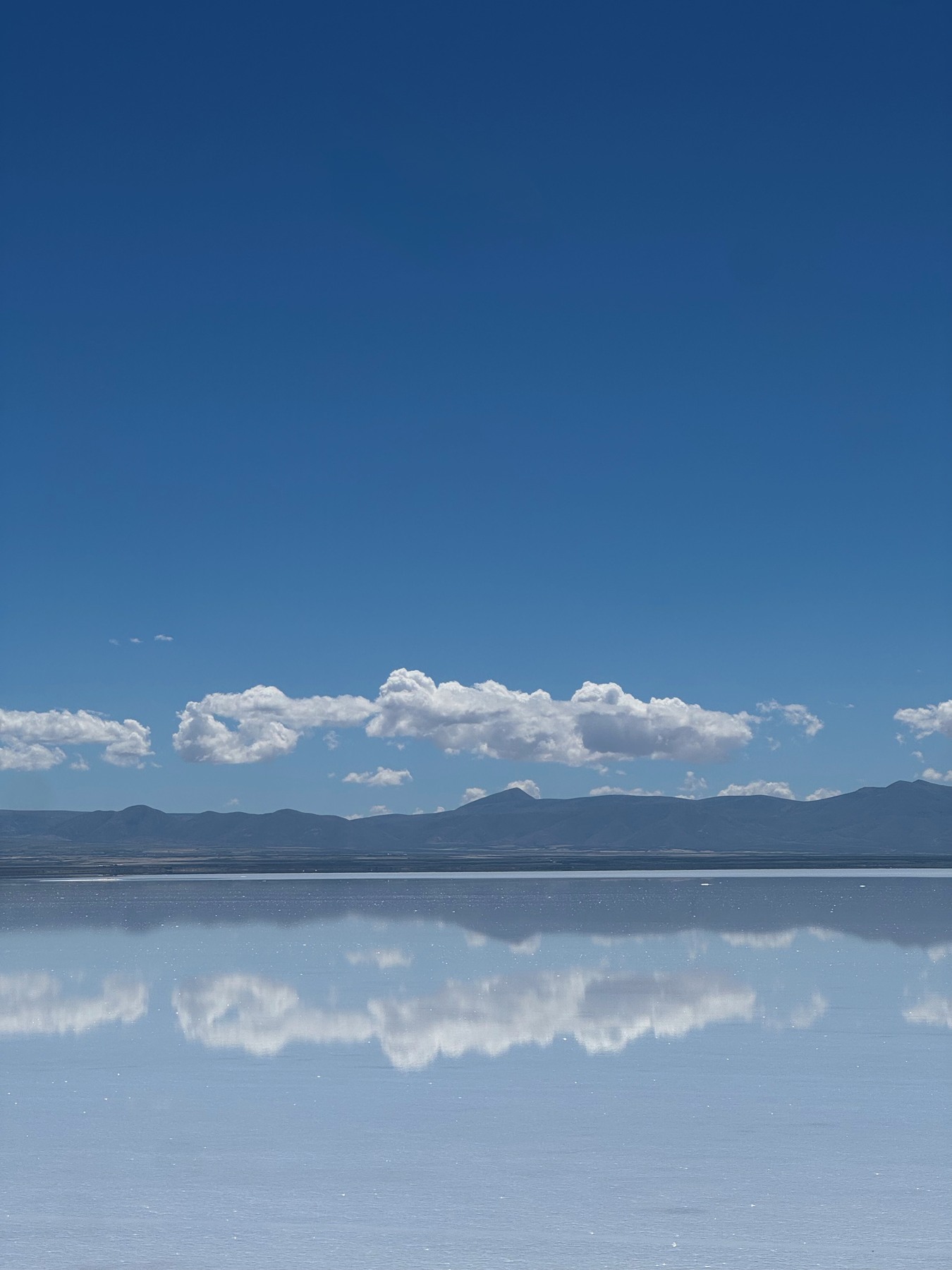
I wanted to see the mirror. That was the image in my head before we reached the Uyuni salt flats: the sky under your feet, the car reflected in the water and no obvious line between the two.
We visited in early February, and we got that morning. We also reached a dry section of the salt flats on the same day, which made the contrast even better! But I would not turn our luck with the conditions into a promise for somebody else's trip.
The best time to visit Uyuni depends on what you most want to see. This guide separates what we actually experienced in February from the broader seasonal pattern, so you can choose your dates with realistic expectations.
When Is the Best Time to Visit the Uyuni Salt Flats?
If mirror reflections are the priority, look at the wetter months, roughly December to March or April. If dry salt patterns matter more, look towards the drier part of the year. Neither choice guarantees a particular photograph.
Bolivia's tourism material describes the mirror-producing wet period as December to April, while NASA describes rainfall in this region as concentrated mainly from December to March. Those are useful planning windows, not a switch that turns the mirror on at the start of a month.
Scroll to see the full table →
| Your priority | Planning window | What to keep in mind |
|---|---|---|
| Mirror-like reflections | Wetter months, roughly December to March or April | Water coverage, wind and access vary |
| Dry salt surface and patterns | Drier months, broadly April to November | Local conditions still matter |
| A trip like ours | Early February | We saw wet and dry sections, but that was our visit, not a guarantee |
| A specific island or route | Ask the operator close to departure | Do not choose dates solely from a photo of a stop you may not reach |
Seasonal background: Bolivia's official tourism brochure and NASA's regional rainfall overview.
What We Saw in February
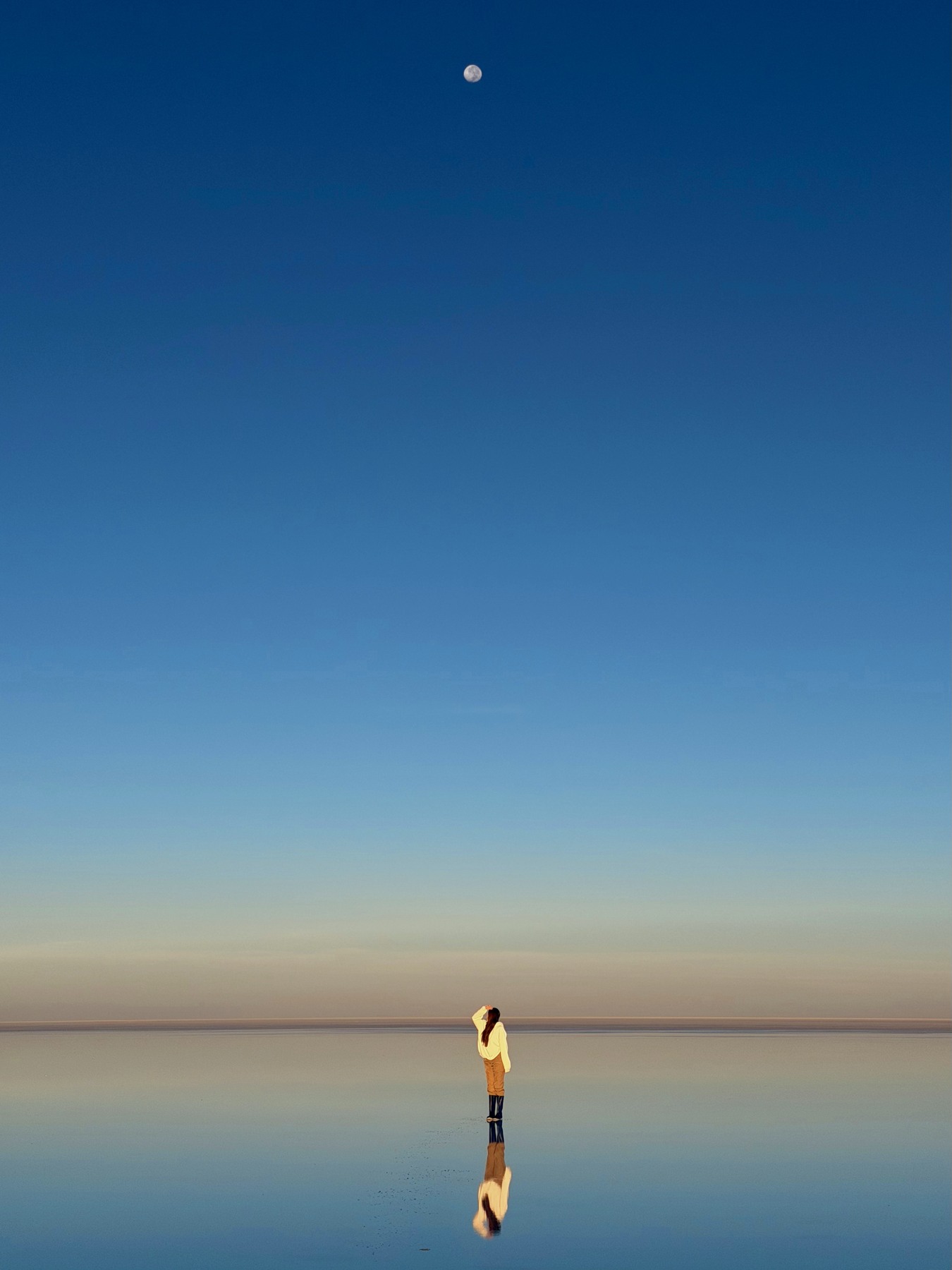
Our salt-flat morning was the final day of a three-day crossing from San Pedro de Atacama. We left our Uyuni accommodation around 5am and reached a wet section for sunrise.
There was something so lovely about being out there while everything was still quiet and the light was changing. The reflections included the mountains, the vehicle and the people around us. It really did look like the photographs I had hoped were real.
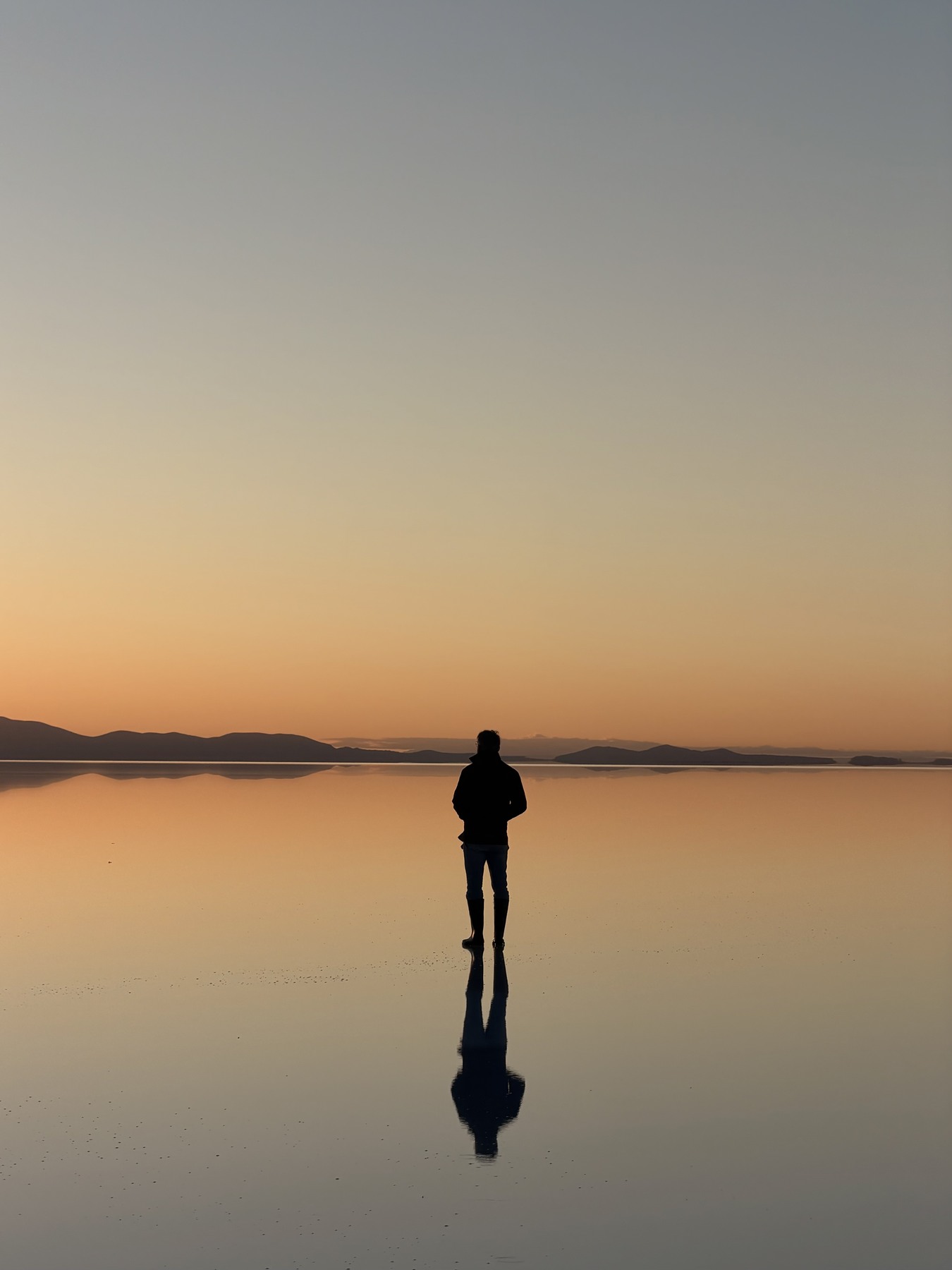
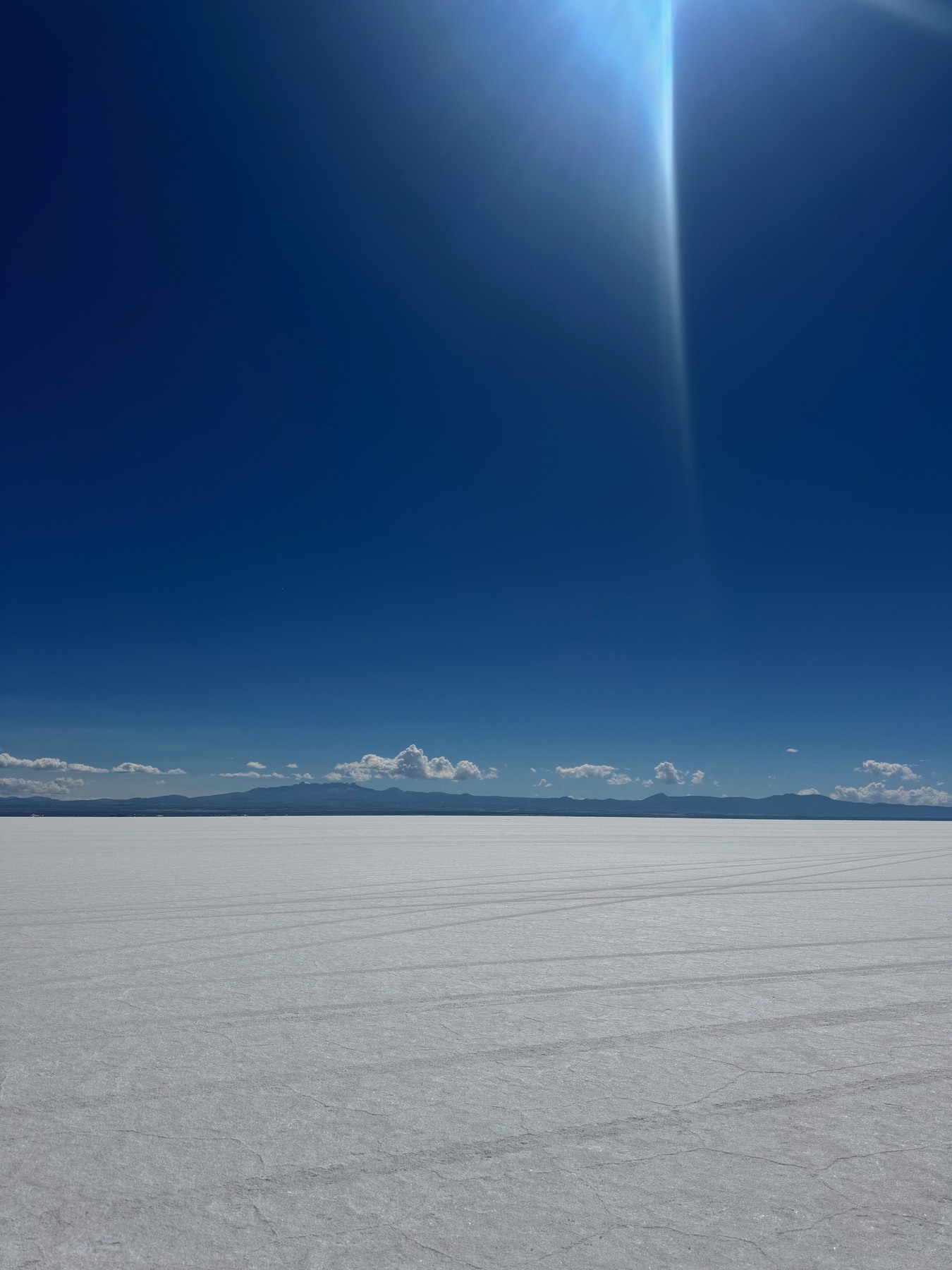
We spent time there rather than just jumping out for one photo. Later we moved onto dry salt flats, stopped for breakfast and took some of the playful perspective pictures the place is known for.
I liked seeing both surfaces because they felt different. The mirror was the dramatic moment, but the enormous white landscape was an experience of its own. If your tour reaches a dry section, I would not treat it as a disappointing substitute for water.
We returned to a wet area later in the day too. The same place can feel very different once the sun is higher, so ask about the timing of the salt-flat portion, not just whether the itinerary says Salar de Uyuni.
Mirror Reflections or Dry Salt Flats?
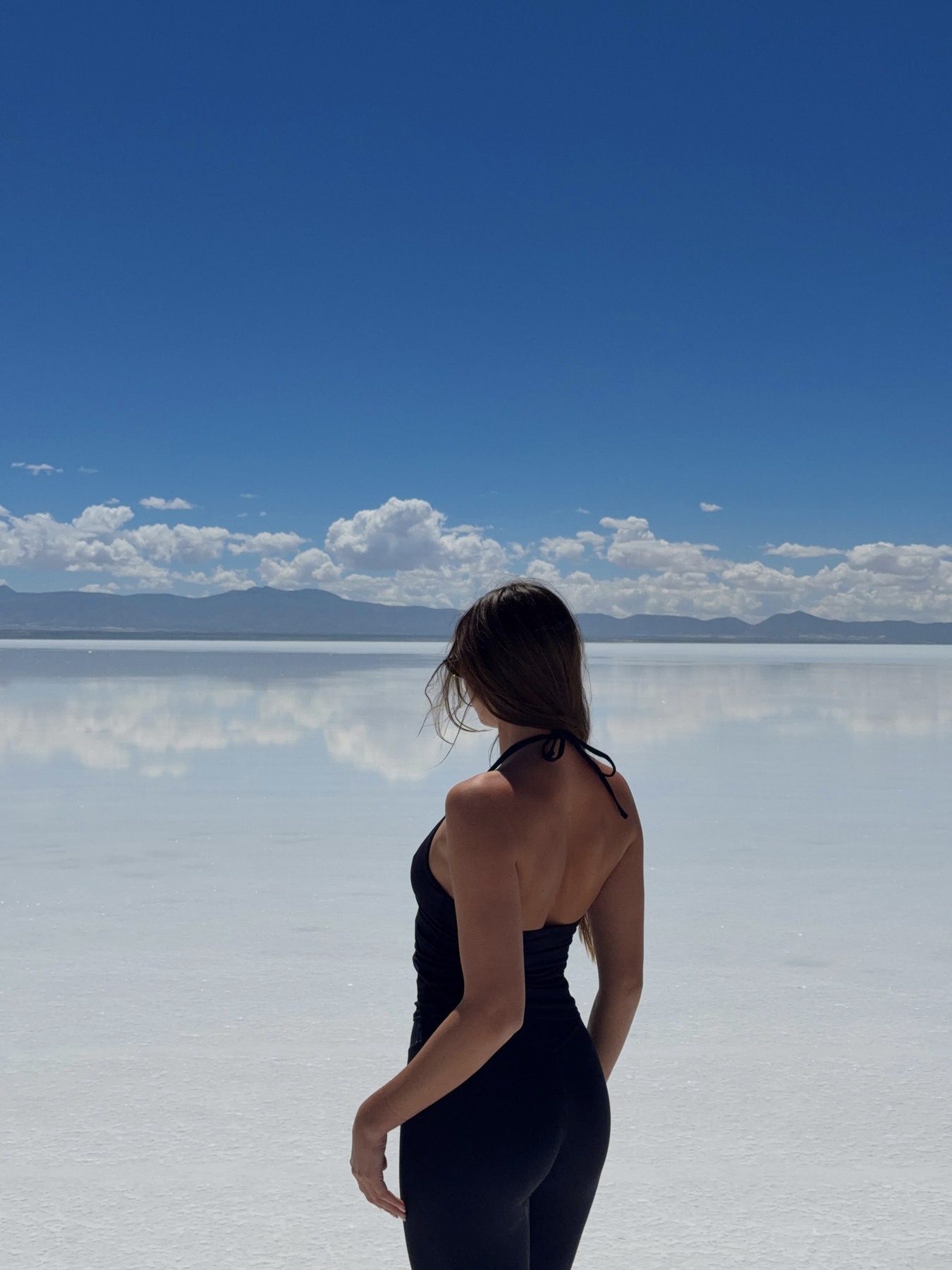
The mirror needs a suitable layer of water and conditions that allow a clear reflection. A month in the rainy-season range does not tell you what the water or wind will be doing on the morning you arrive.
That is why I would book for the experience first and treat the precise photograph as something you cannot control. Our car and group reflected beautifully at sunrise, but we were also happy exploring dry sections and playing around with perspective photos later.
If you love the white salt patterns and want to focus on that landscape, the drier months may fit your priorities better. This part is seasonal research, not a second trip we have personally done. Our first-hand comparison is between the wet and dry areas we reached on the same February visit.
Do you have to choose only one?
Not necessarily, as our day showed, but do not buy a tour on the assumption that it will deliver both. Ask what the operator has been reaching recently and which parts of the route are flexible. A realistic answer is more useful than a guarantee attached to a beautiful cover image.
How Rain Can Affect the Route
Water is part of what creates the view people travel for, but it also affects where vehicles can go. I would ask the operator about their current route rather than assuming every island, viewpoint or stop in an old itinerary is accessible.
We did not visit every place that appears in standard Uyuni itineraries. In particular, I would not book around an assumed island visit without getting confirmation for the date and conditions of your tour.
The cross-border journey adds another layer. Our departure from Chile involved a cold wait with snow around the border, even though the salt-flat photographs look bright and sunny. Plan for the whole route, not just the final image.
If you are travelling from San Pedro, our three-day crossing guide explains the actual sequence and overnight arrangements. The Atacama versus Uyuni comparison helps if you are still deciding whether to combine them.
What I Would Ask Before Booking
I would start with the available Uyuni tour options, then ask a few specific questions about the listing I liked:
- Where does the tour start and finish?
- Is the salt-flat visit at sunrise, daytime or sunset?
- What wet and dry areas have recent departures reached?
- Which advertised stops depend on water levels or road conditions?
- What happens if the route changes?
- Are both nights included, and are the rooms and bathrooms shared or private?
This is a comparison link, not the exact agency booking we made. There are day trips, longer tours and different start points on the page, so check the itinerary carefully.
Where to stay around your tour
Our Uyuni overnight was already included in the crossing. If you want an extra night to avoid rushing into a bus journey, Eucalyptus Uyuni is the place I would compare for a private bathroom, breakfast and a warm base.
Eucalyptus Uyuni
The one I would compare for an independent night after the tour, with a private bathroom and breakfast. Check cash-payment terms. This is an extra-night option, not our included tour hotel.
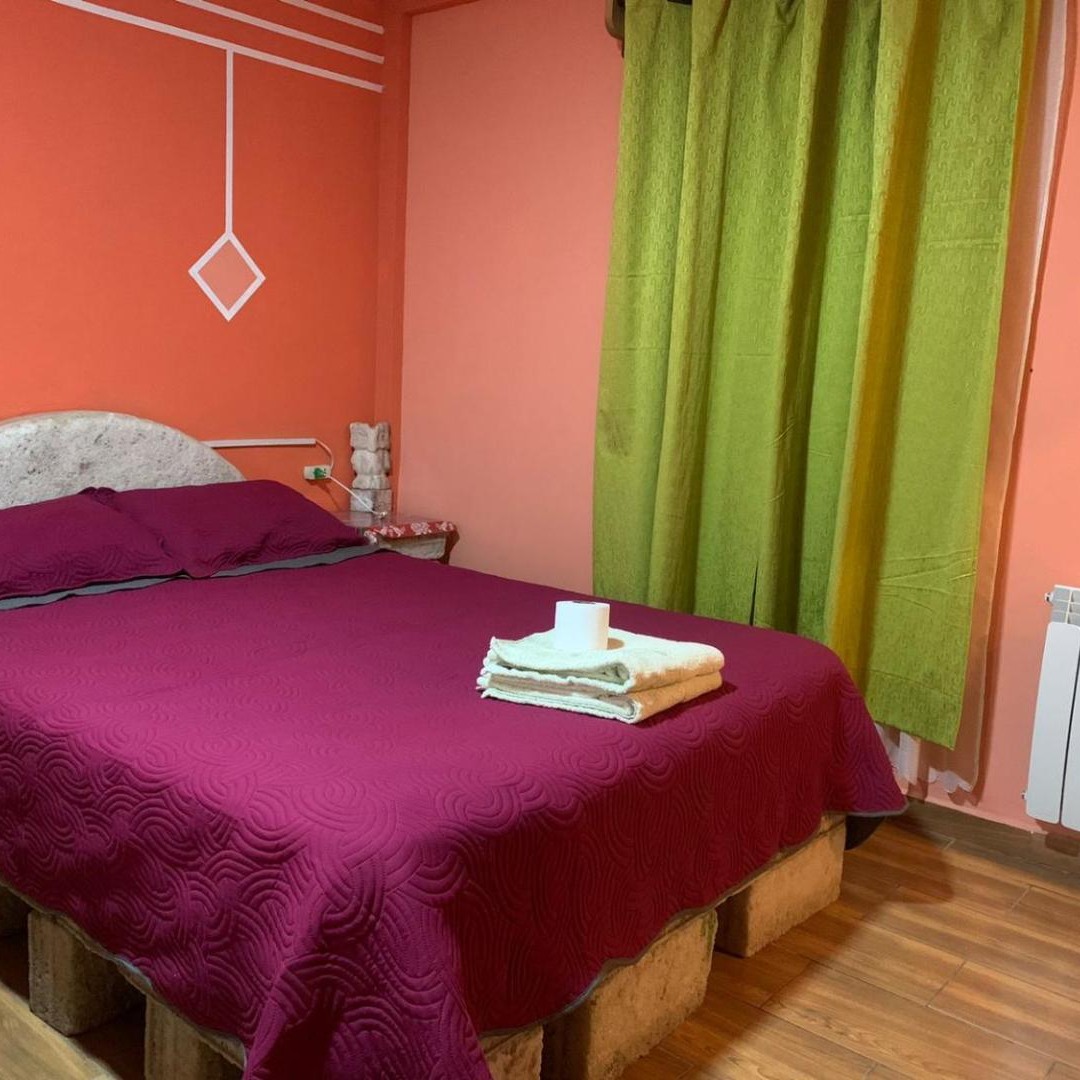
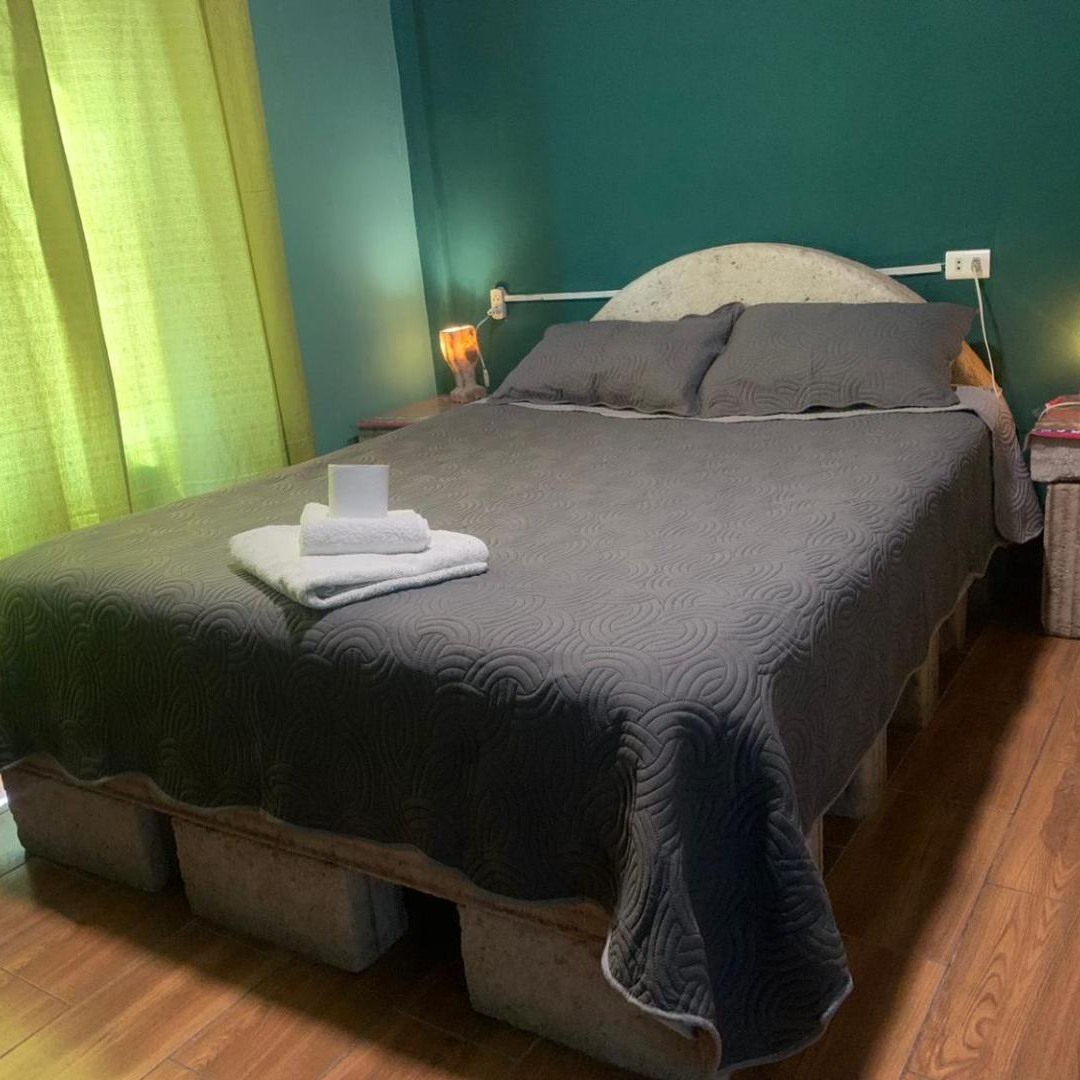
Confirm its cash-payment arrangements before arrival, including the accepted currency. For the Chile end, our San Pedro accommodation guide covers our actual stay and two alternatives.
What I Would Bring for a Mirror-Season Visit
Warm layers still belong in the bag. I was wrapped up on our early salt-flat morning, and the wider crossing was cold at points too. Gloves, a hat and a jacket are much more useful than assuming summer in South America means warm at every stop.
I would also bring sunglasses, sun protection, a towel if your route includes hot springs and protection for your phone or camera. Water and salt are not kind to electronics. Keep your belongings off the wet ground and follow your guide's instructions about where to walk.
These are high-altitude landscapes. Check CDC advice on altitude illness and discuss individual concerns with a clinician before travelling. Being fit is not protection, and a good photo is never a reason to ignore symptoms.
Watch Our February Salt Flats Vlog
The video shows the actual reflections we saw, the dry areas afterwards and the rest of the crossing. It is our own February visit, not a compilation of the best conditions from different seasons.
Watch our Bolivia salt flats vlog on YouTube.
FAQs About the Best Time to Visit Uyuni
Is February a good month for the mirror effect?
It falls within the wetter part of the year, and we saw beautiful reflections during our February visit. Conditions vary, so reflections are not guaranteed for every departure.
Can you see dry salt flats in the wet season?
We reached a dry section during our February tour as well as wet areas. That does not mean every operator or date can offer both.
Is the dry season bad for visiting Uyuni?
No. It offers a different landscape, with the white salt surface rather than a trip built around water reflections. Choose according to what you most want to experience.
Can rain change the tour itinerary?
Ask your operator about current access and alternative stops. Do not assume that every place pictured in a standard itinerary will be reachable on your departure.
When did you visit the salt flats?
Our three-day crossing from San Pedro de Atacama ran from 2 to 4 February, with the main salt-flat visit on the final morning.
Final Thoughts: When Would I Go to Uyuni?
For the experience I was dreaming of, February worked beautifully. I would choose the wetter-season window again if reflections were my priority, while keeping the route and photographs flexible. We loved the mirror, but the dry salt flats and the journey there were part of what made the trip so good.