Best Time to Visit Patagonia: What January Is Really Like (and What I'd Do Differently)
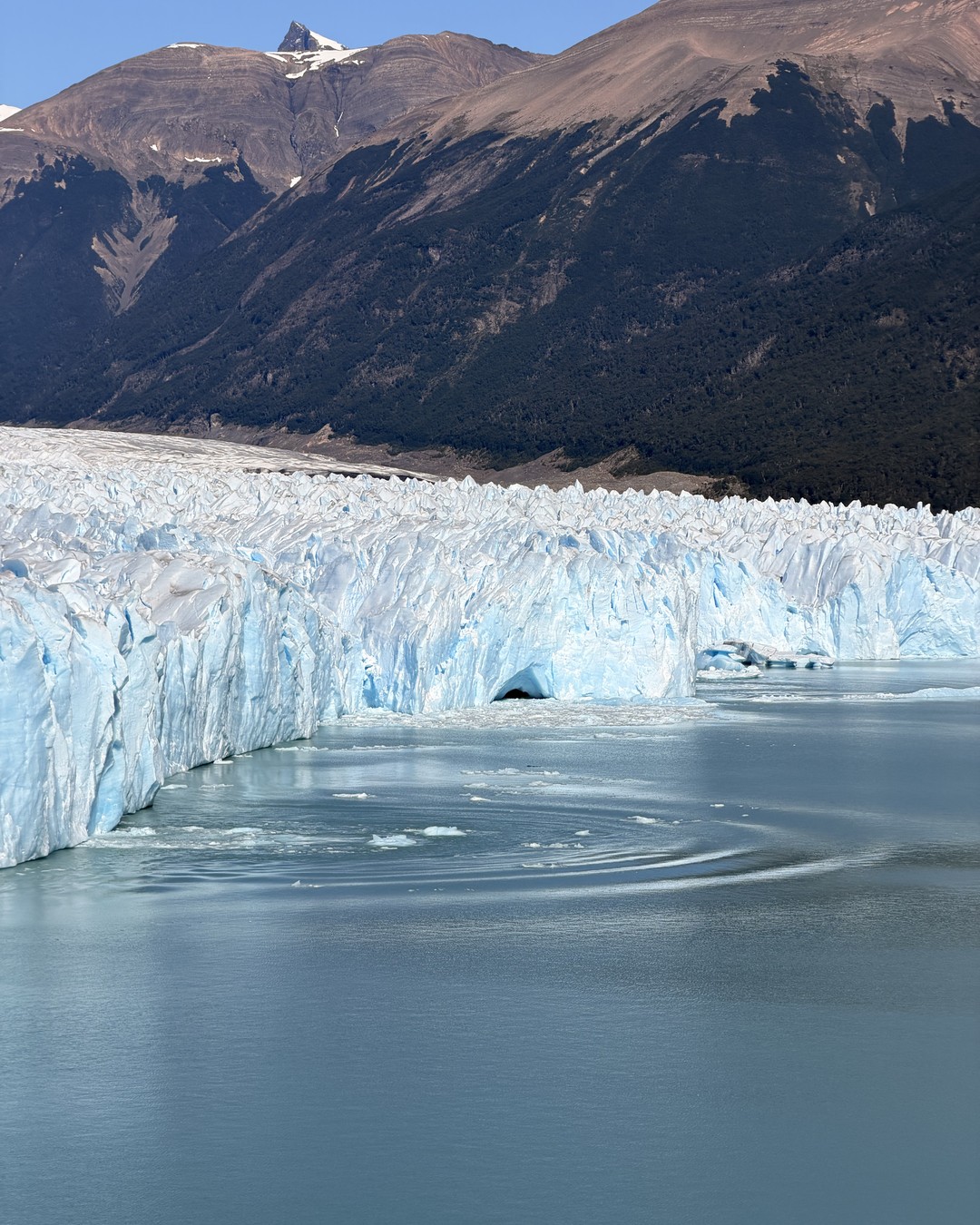
We went to Patagonia in the middle of summer, booked it last minute, and the weather still did whatever it wanted! In the space of five days in January 2026 we had a cloudless morning at Perito Moreno, a perfect clear sunrise at Fitz Roy, and a day in Torres del Paine where the famous towers never came out of the cloud at all.
So I'm going to be upfront: I've only been to Patagonia in late January, and I'm not going to pretend I know what October or June feels like down there. What I can tell you is exactly what summer gave us, day by day, what the weather did to our plans, how cold it really was, and what booking in peak season late was like. Then, in a clearly marked section, I'll share what I've read about the other seasons. If you're planning the whole trip, my Patagonia planning guide has the route and the costs.
Best Time to Visit Patagonia, My Quick Answer
Short answer is that summer (December to February) is the main season, and late January gave us long days and two perfect mornings out of three big ones. But the weather in Patagonia changes by the day and by the valley, so buffer days matter more than the month you pick. Whenever you go, book early and leave at least one spare day in each town.
Scroll to see the full table →
| If you're asking | What I'd tell you |
|---|---|
| When did we go? | 20 to 26 January 2026, the height of summer |
| What was the weather like? | Clear at the glacier and at Fitz Roy, cloud at Torres del Paine three days later |
| How cold was it? | Cold in the mornings, freezing at the top of the hike, colder again in Chile |
| What mattered more than the month? | Buffer days, and booking early |
| What would I change? | Three more nights and months more notice |
What January in Patagonia Was Really Like
Here's the weather we actually had, from our own footage, on the days we were out in it.
Scroll to see the full table →
| Date | Where | What the weather did |
|---|---|---|
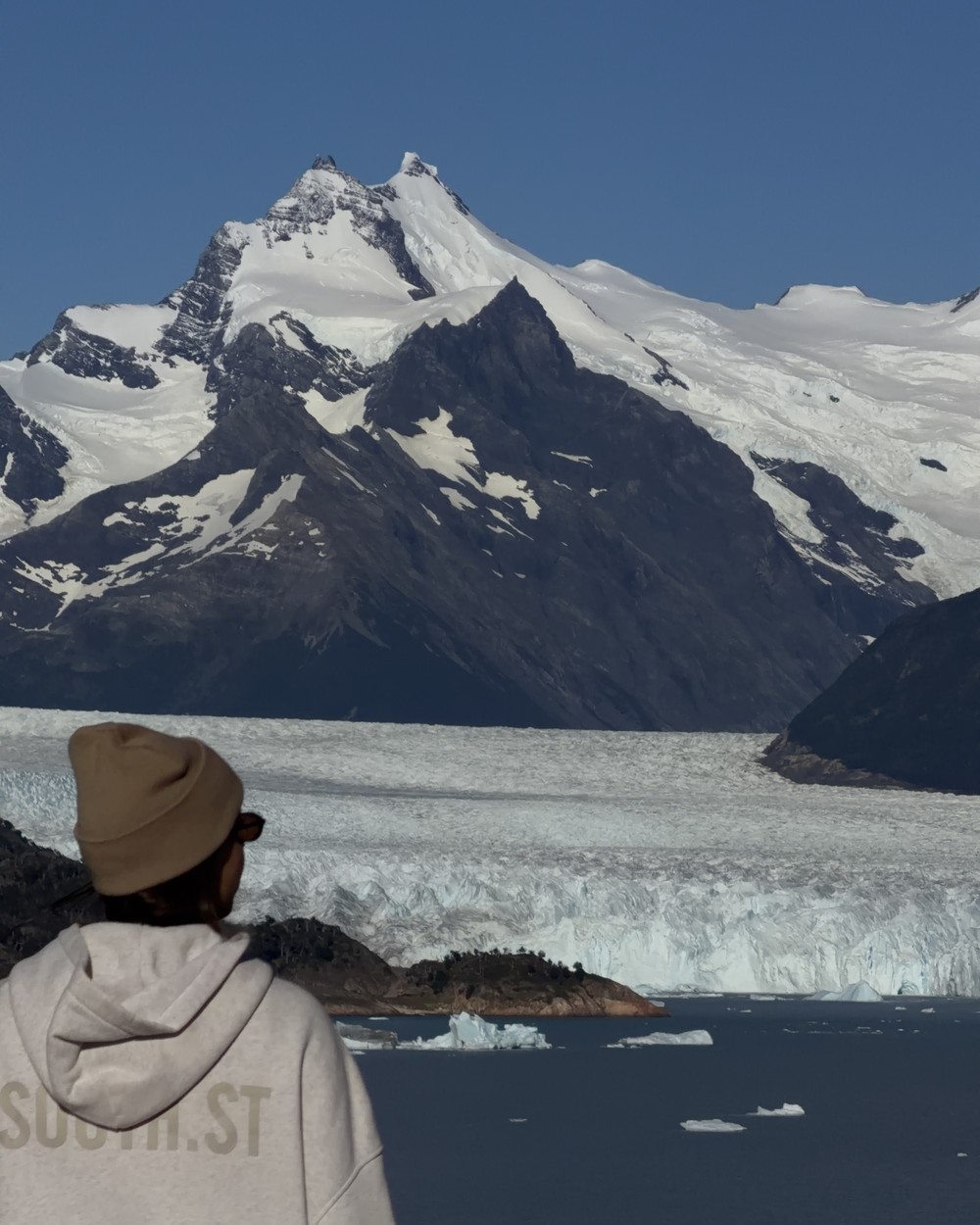
| 21 January | Perito Moreno Glacier | Clear blue sky, a cold morning, lovely in the sun, so glary I needed my sunglasses |
| 22 January | Laguna de los Tres, Fitz Roy | Mild at 1:50am, colder every kilometre, freezing at the top, a clear sunrise at 6:20am |
| 24 January | Puerto Natales, Chile | Noticeably colder than Argentina, and a week of bad weather forecast |
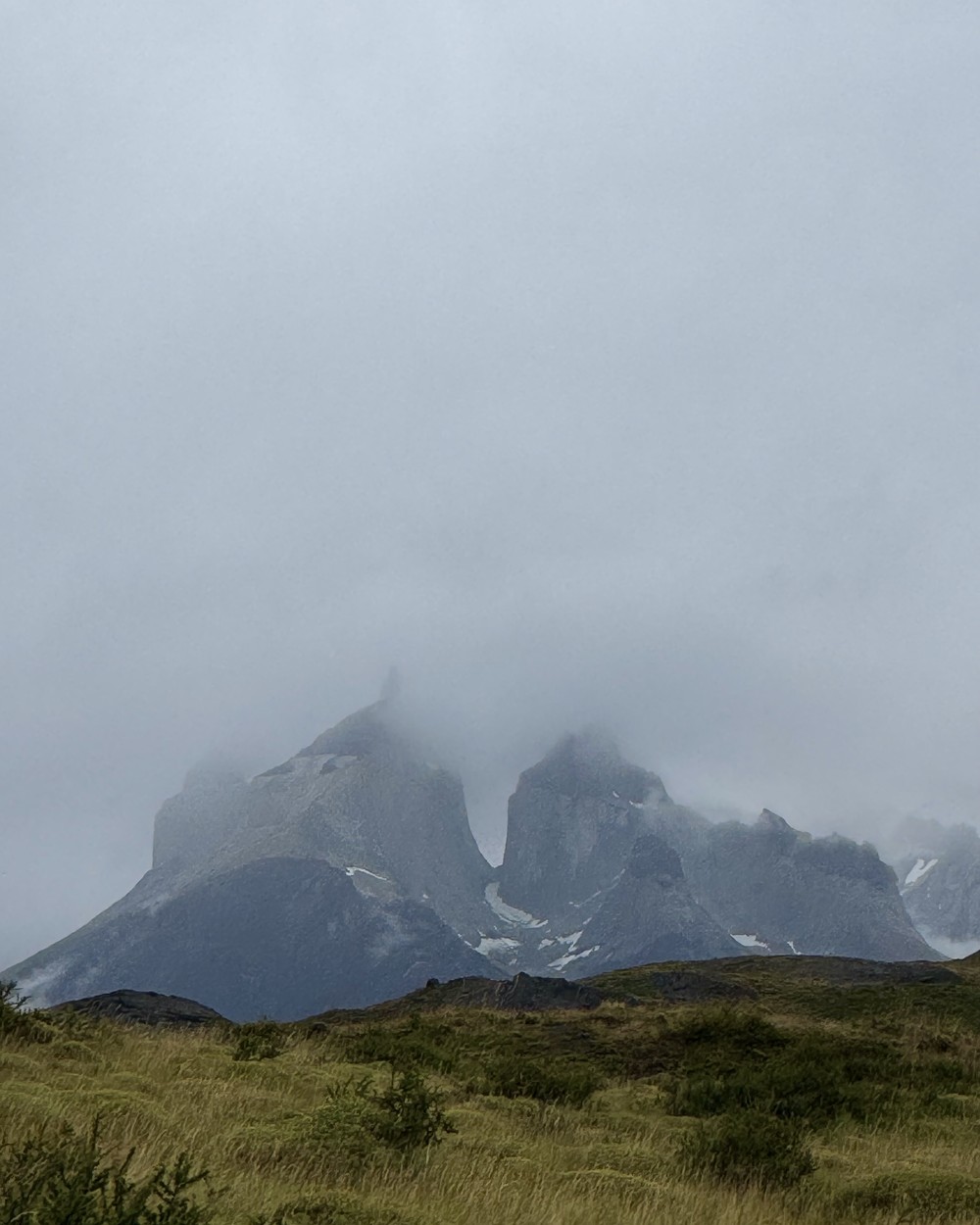
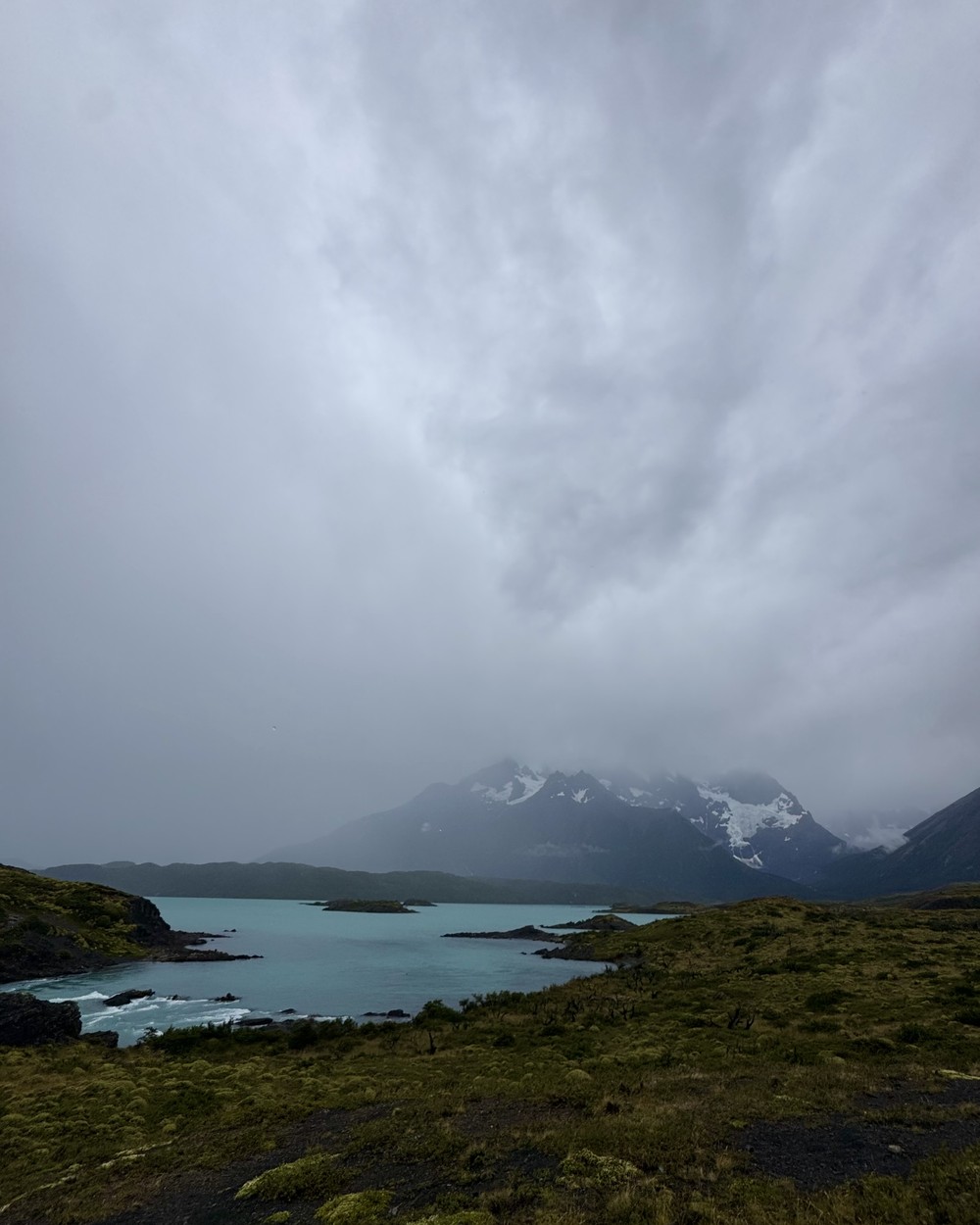
| 25 January | Torres del Paine | Cloud over the towers, one stop cancelled, the peaks only peeking through late in the day |
Glacier day was beautiful! On the morning we left I said "it's a beautiful day outside. It's a bit fresh, actually quite cold," and everyone had warned us it's colder again at the glacier, so we wore layers, ready to peel them off in the sun. The next morning at Fitz Roy we watched the peaks turn red at sunrise, and later in the morning the lagoon went that unreal blue once the sun got higher. Honestly, it doesn't get better than that!
Then we crossed into Chile. As our bus pulled into Puerto Natales I said: "It is significantly colder here than Argentina, guys. I'm almost as cold as I was going up the hike." The forecast was "really, really average pretty much for the next week," so we gave up on hiking to the base of the towers and booked a bus tour the night before instead.
Why Buffer Days Matter More Than the Month
This is the thing I most want you to take away. Same week, same summer, a day and two buses apart, and we got a perfect morning at Fitz Roy and a grey day in Torres del Paine. The month didn't decide that. The day did!
And I'll admit it: we got lucky with Fitz Roy. We'd booked so late that we had exactly one morning for the hike, with no spare day if it clouded over. It didn't, and that's the only reason we saw it. In Chile our luck ran out, and with no buffer day there was nothing we could do but take the tour and hope. In the park I said: "It could be worse. We could have hiked up and it could have been like this." And I meant it, because the tour still showed us waterfalls, guanacos and a lake with flamingos, but "I can only imagine it on a blue sky day."
So whenever you go, build in buffer days. In my TikToks after the trip I said to add two or three buffer days either side of hike day, and in my Torres del Paine one I said it again: "add buffer days onto your trip to allow for weather changes in Patagonia." If you've got one spare day in El Chaltén and one in Puerto Natales, a cloudy forecast becomes a rest day rather than the end of your plans. Our grey day is in Torres del Paine without the W Trek.
How Cold Is Patagonia in January?
Colder than you'd think for summer, and it changes a lot through a single day. While we were shopping for hiking clothes in Buenos Aires before the trip, we'd been told it would be around 10 to 12 degrees, which sounded fine until we were sitting at the top of the hike at sunrise!
At 1:50am in El Chaltén I had my jumper tied around my waist because it honestly wasn't that cold. By the last climb I was saying "It's gotten so much colder, guys. You need layers for this." The top was freezing, and my hands were still cold inside my gloves. We'd bought gloves for about A$30 each and a beanie each in El Calafate the day we arrived, and I'm so glad we did!
What worked for us was layers rather than a big jacket: a thermal long sleeve, a jumper and a windbreaker, with shorts under fleece-lined hiking pants so we could strip off on the way up. A big jacket would only really have helped for about half an hour at the top. Everything I wore, and the shoes I regret, is in what to wear for the Fitz Roy hike.
Long Days and Early Sunrises in Summer
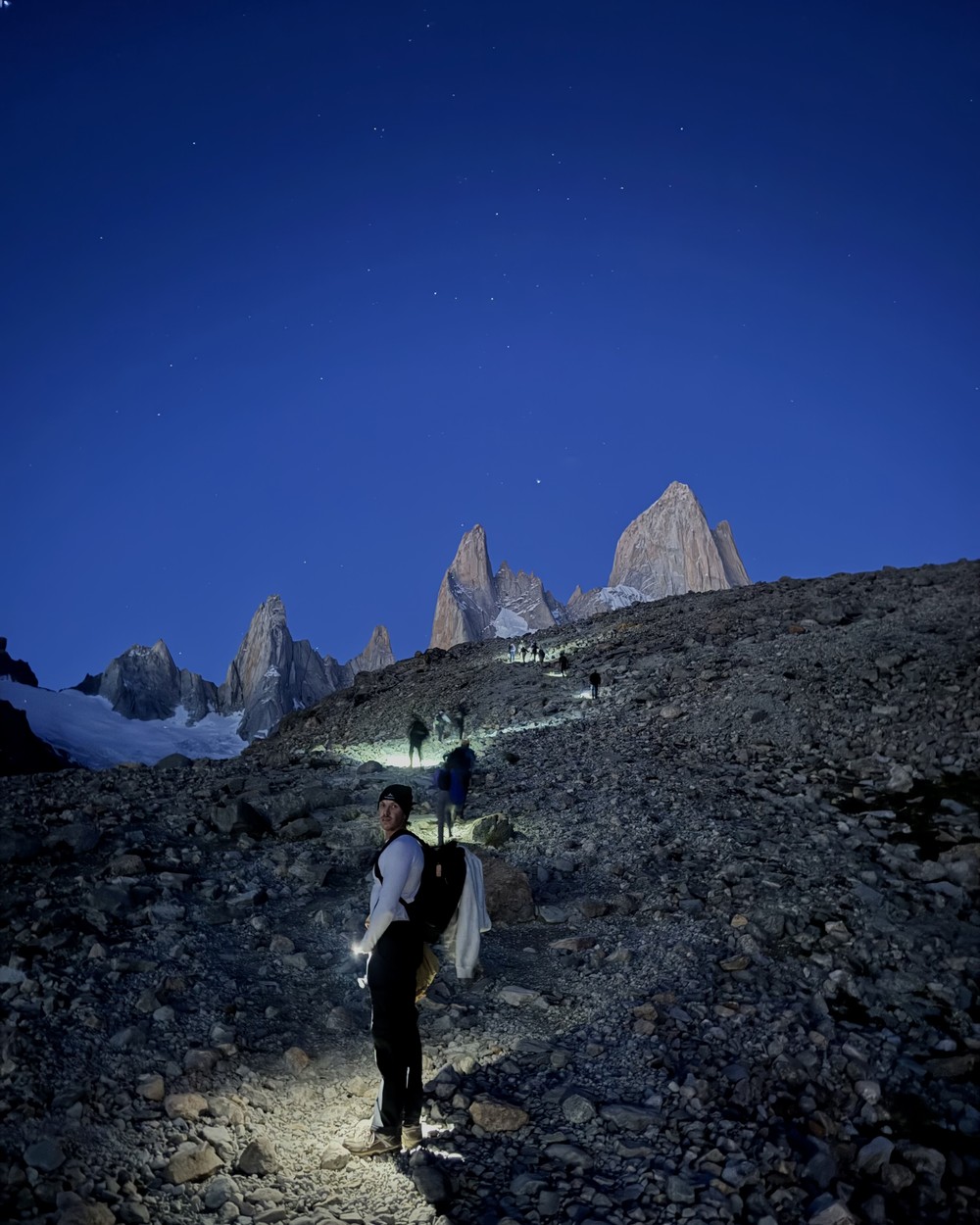
Summer days in Patagonia are long, and that cuts both ways. On the morning of our hike, sunrise was at 6:20am. The walk up to Laguna de los Tres took us three and a half hours, and we wanted to be there 20 to 30 minutes early, so our alarm went off at 1:15am and we were walking by 1:45am. We got to the top at 5:13am, on about two and a half hours' sleep!
The upside is how much you can fit into a day. On glacier day we were in the park soon after it opened at 9am, rang our driver when we'd seen enough, caught the 4:30pm bus to El Chaltén, arrived about 7pm and still walked across the road for dinner!
Summer Crowds and Booking Late
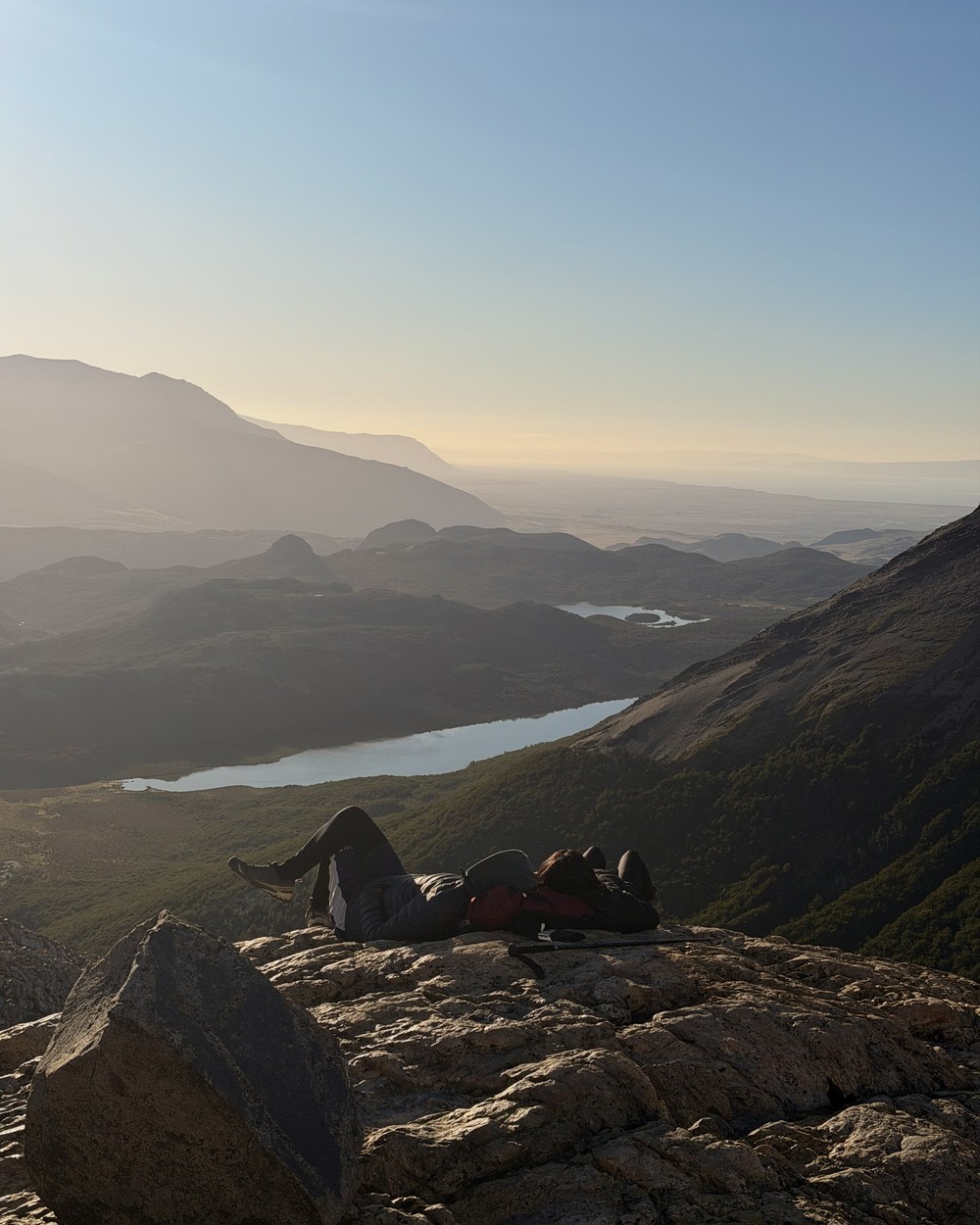
January is peak season, and you feel it. At Perito Moreno we arrived about 20 minutes after opening and there was literally no one around! But by 10:57 I was saying "most of the tour buses and stuff are probably going to arrive any minute now," and by the time we left it was getting so busy. On the Fitz Roy trail there was a whole line of head torches climbing the last kilometre in the dark, and at the top people were napping on the rocks.
The El Chaltén trails also have a park entrance fee now, about A$40 to A$50 per person in January 2026, so check the current price. In peak season the rangers set up at the main trailhead very early, from around 2am, so a pre-sunrise start can mean a queue. There is another way in that avoids it, but it changes, and the hikers you'll meet in town in peak season will know the current one.
Booking late in summer is where it really hurt us. The campsites were restricted and expensive, and on the W Trek "the only options that were left were the super luxurious camps." A lot of the glacier tours online were booked out when we arrived, the 3pm bus to El Chaltén had sold out so we took the 4:30pm, and there were fewer Torres del Paine tours left by the time we booked ours. It all worked out, but if you're going in December, January or February, book months ahead.
Part one starts on our clear glacier morning. In part two, the hike starts at 5:20 and the cloudy Torres del Paine day at 19:28, so you can see the difference for yourself.
Patagonia in Spring, Autumn and Winter (From What I've Read)
This section is research, not experience. We haven't been in any of these seasons, so treat it as a starting point and check each park's own opening dates and conditions before you book.
Spring, roughly October and November. From what I've read, this is when Patagonia wakes up for the season: the days are getting longer, more places are opening, and there are fewer people than in January. A lot of what I've read also says it can be very windy.
Autumn, roughly March and April. From what I've read, this is a favourite with a lot of people, because the beech forests around El Chaltén turn red and orange, the crowds thin out after summer, and accommodation is easier to find. The trade-off is shorter, colder days.
Winter, roughly June to August. From what I've read, winter is a completely different trip, with short days, snow and cold, and a lot of El Chaltén goes quiet or closes for the season. I can't tell you what that's like, so I won't try.
What I'd stress is that nothing I've read changes the buffer-day rule, whatever month you choose.
What I'd Do Differently Next Time
I've had a proper think about whether I'd swap January for another month, and honestly, I can't tell you, because I haven't seen another one. What I can tell you is that summer gave us long days, everything open and two of the best mornings of my life!
What I'd change for certain is the notice and the nights. I'd book months earlier so the W Trek and the good stays are still there, and I'd add three nights: one more in El Calafate, two more in El Chaltén and a spare in Puerto Natales. If you want the money side, is Patagonia expensive has what six nights in January cost us.
Where to Stay Whenever You Go
Whatever month you pick, these are the three towns to base yourself in, and the places I'd book. Every score was checked on Booking on 10 October 2026 (Asói Hostal on 9 October). The full town-by-town guide is where to stay in Patagonia without camping.
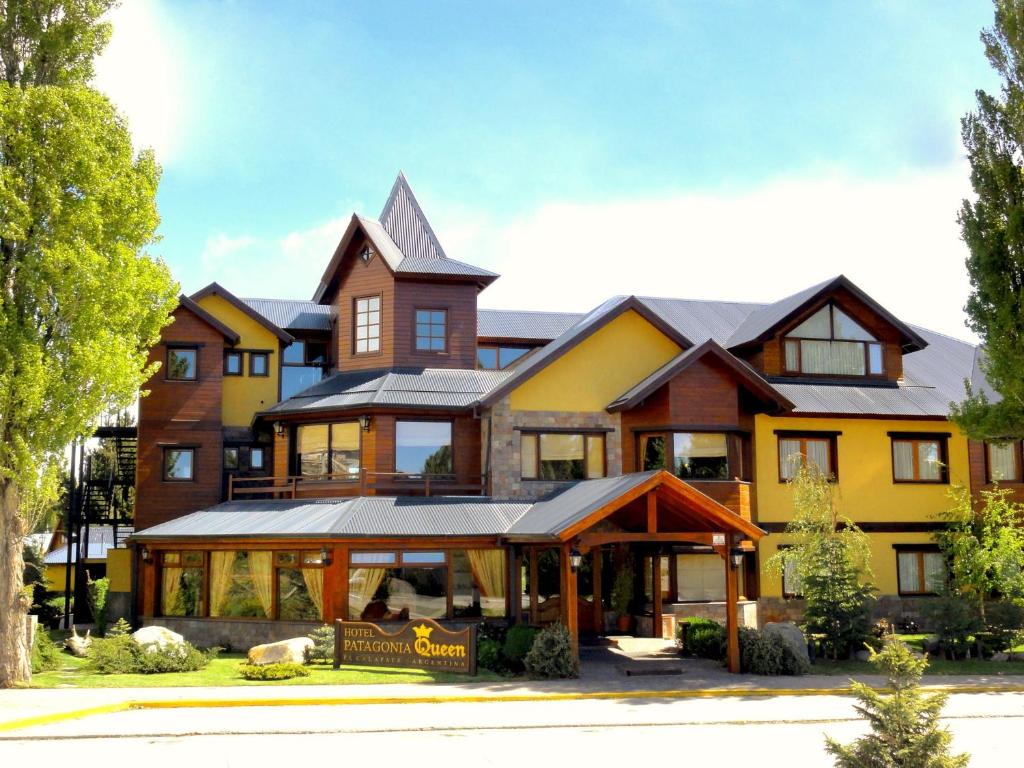
Patagonia Queen Hotel Boutique
Rated 9.5 from 470 reviews, about 800 m from the centre. Your base for Perito Moreno.
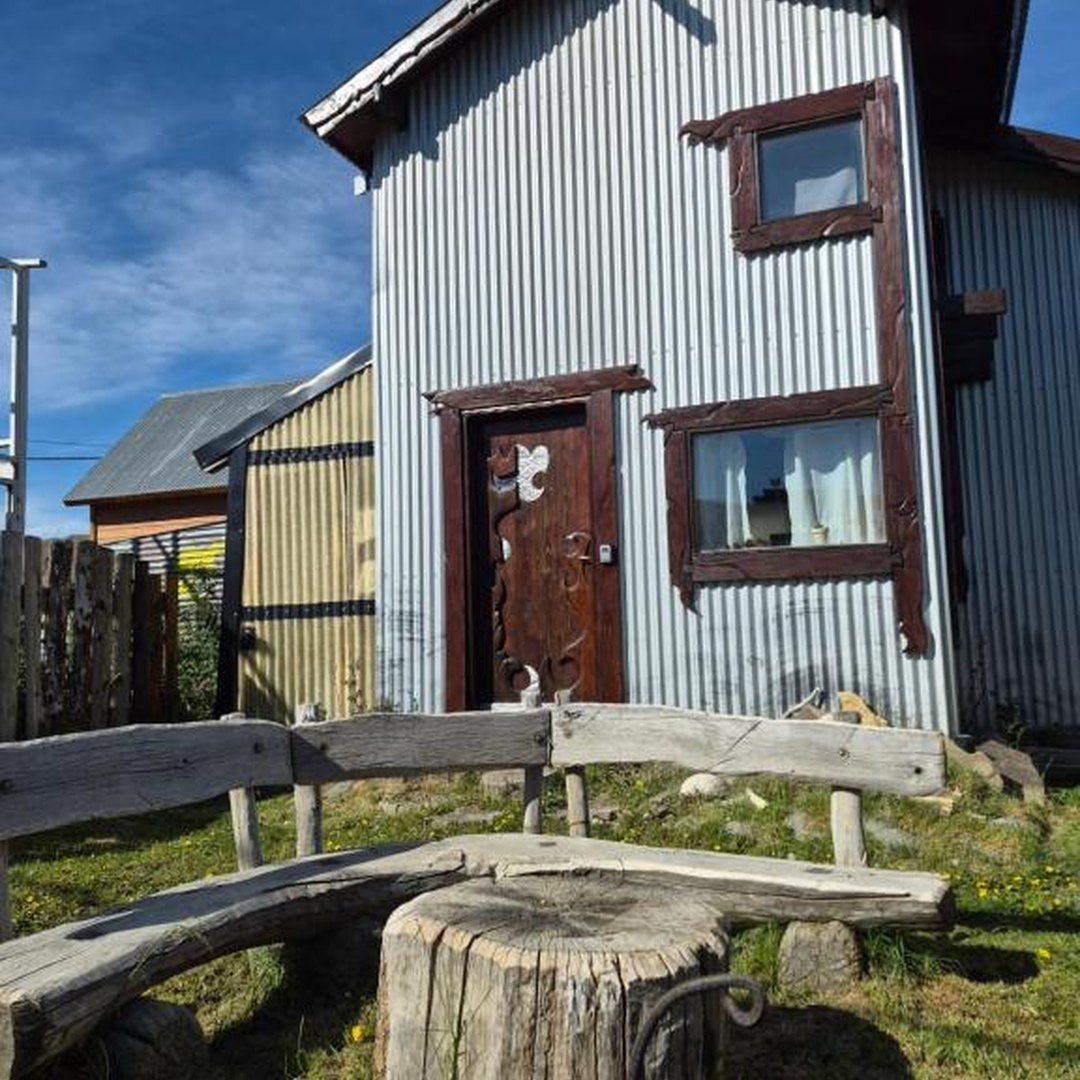
KUNTUR 2 Cabañas
Our cabin at the trailhead end, with a kitchen for the hike-day eggs. A$81 each per night in January 2026.
Aparts Merkaba
Rated 9.5 from 169 reviews, about 540 m from the trail, with a kitchen. Handy for a spare weather day, too.
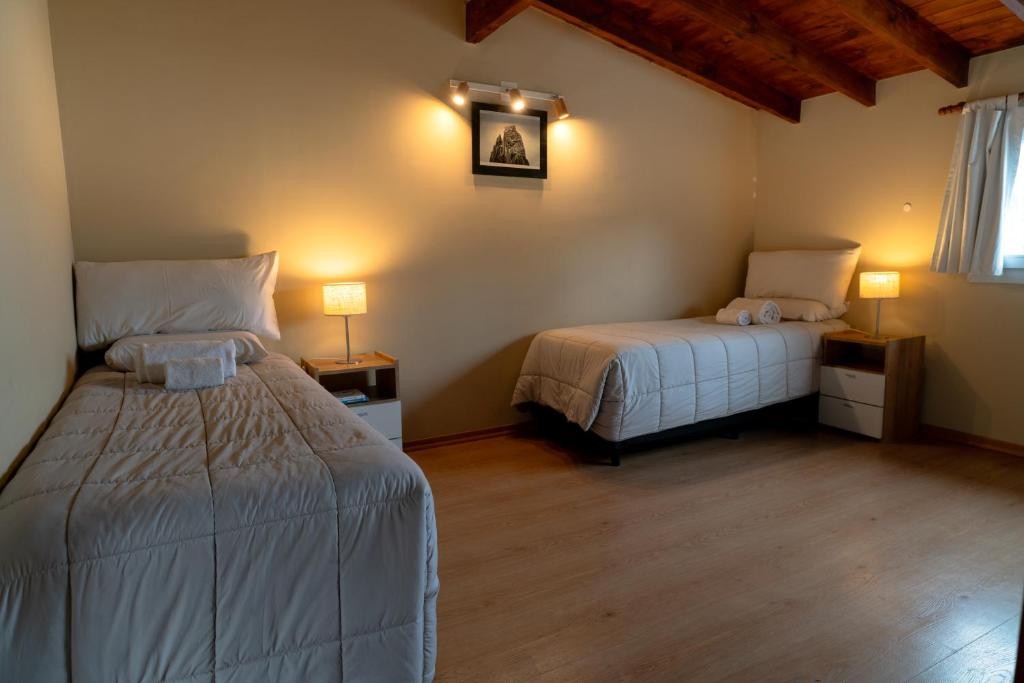
El Patagónico Hostel
Our private room with a super comfy bed and free hot chocolate, which you'll want in Chile. A$52.50 each per night in January 2026.
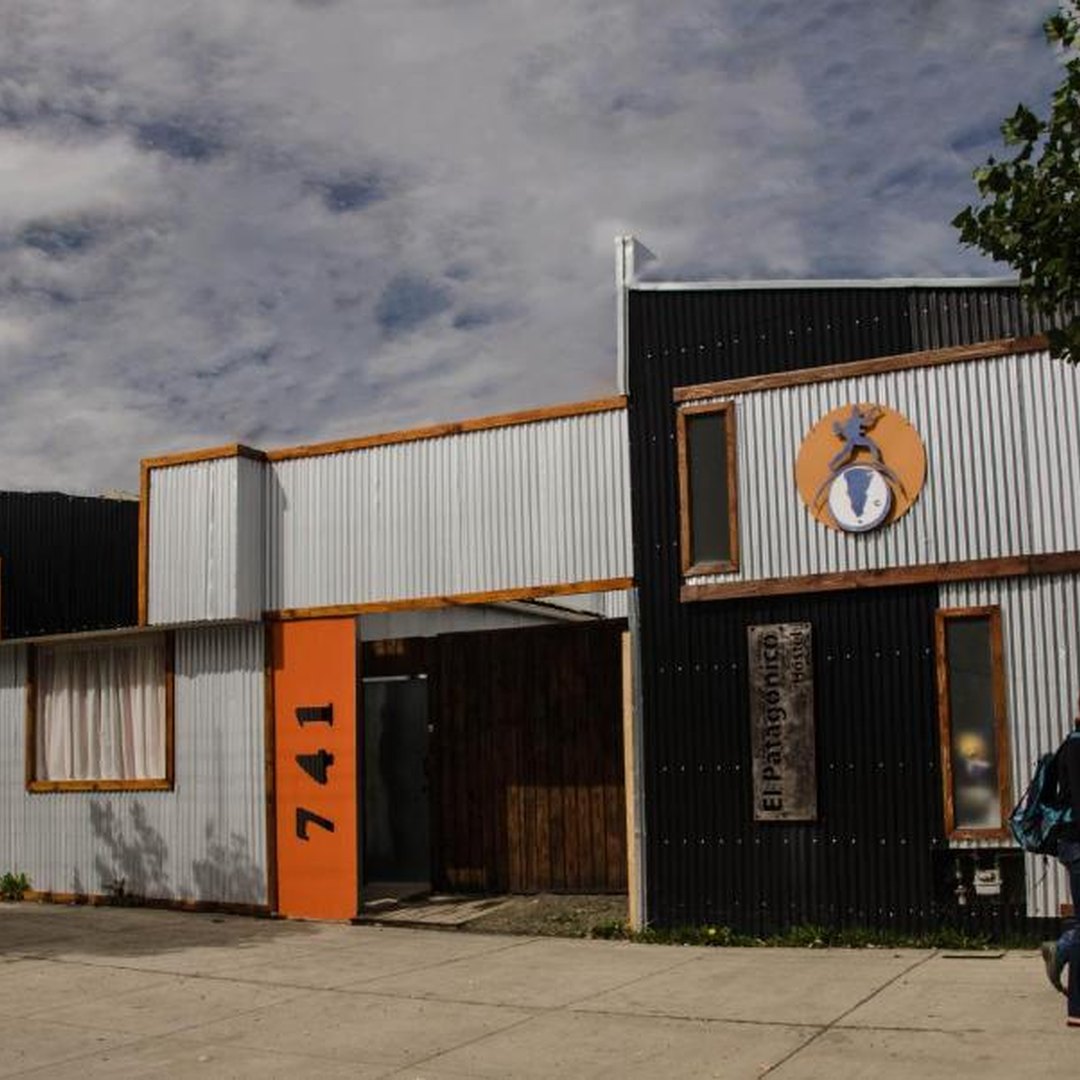
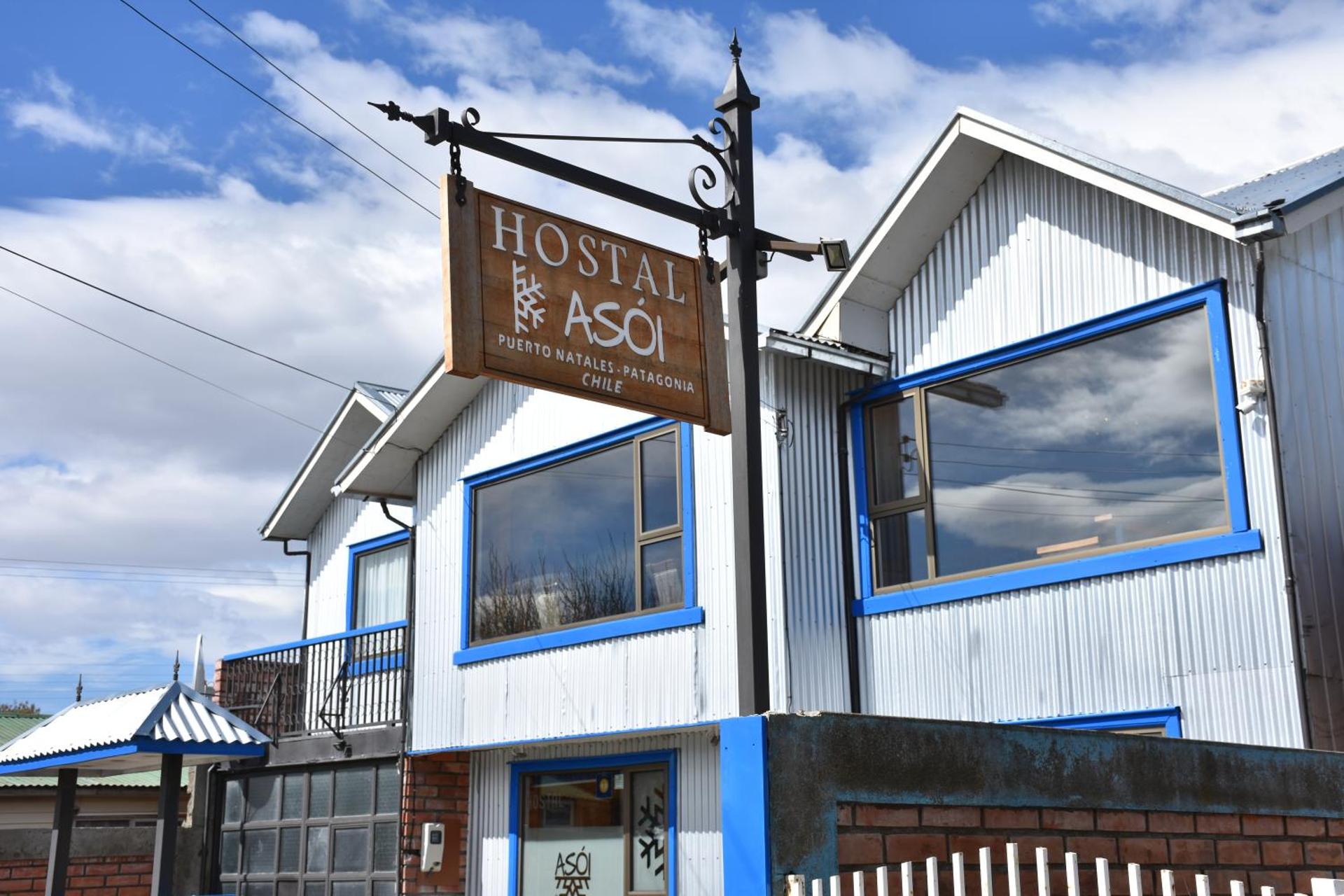
Asói Hostal
Rated 9.5 from 338 reviews. If El Patagónico is full, this is where we'd stay.
More options for each town are in where to stay in El Calafate, where to stay in El Chaltén and my Puerto Natales guide, and every place we slept is on our Argentina stays page and Chile stays page.
Still planning? Here is our complete Patagonia planning guide and what it all cost.
FAQs About the Best Time to Visit Patagonia
What is the best month to visit Patagonia?
Summer, December to February, is the main season. We went in late January and had long days and two perfect clear mornings, but the weather changes daily, so buffer days matter more than the month.
Is January a good time to visit Patagonia?
Yes, with two catches: it's the busiest time, so book months ahead, and the weather still changes. We had a clear glacier day and a clear Fitz Roy sunrise, then cloud in Torres del Paine.
How cold is Patagonia in January?
Cold in the mornings and at altitude. It was mild at 1:50am in El Chaltén, freezing at the top of the Fitz Roy hike, and noticeably colder in Puerto Natales. Bring layers, gloves and a beanie.
What time is sunrise in Patagonia in summer?
On 22 January 2026 at Laguna de los Tres it was 6:20am, so we left El Chaltén at 1:45am to be there in time.
How many buffer days do you need in Patagonia?
At least one in each town where the weather matters, especially El Chaltén and Puerto Natales. After our trip I told people to add two or three around hike day.
Can you visit Patagonia outside summer?
Yes, from what I've read, spring and autumn are quieter, and winter is a very different trip with a lot of El Chaltén closed. We've only been in January, so check opening dates first.
Final Thoughts: When Is the Best Time to Visit Patagonia?
For us, late January was brilliant! We had two of the best mornings we've ever had and one grey day that taught us the real lesson. Pick the season that suits you, but don't let the month be your whole plan. Book early, base yourself in three towns, and give the weather a spare day or two to work with. As I said at the end of our vlog: "Well, Patagonia, you were life-changing."