South America Travel Tips: What We'd Do Differently in Argentina, Chile and Bolivia

We booked Patagonia far too late, waited at the Chile to Bolivia border feeling absolutely freezing, and learned how much a lovely apartment with a kitchen can change a longer trip. Honestly, the little planning decisions mattered just as much as the places we were so excited to see!
These are the South America travel tips I'd pass on after our January and February 2026 travels through Buenos Aires, Patagonia, the Atacama Desert and Bolivia's salt flats. They're the things I'd think about before filling another itinerary with beautiful places and hoping the days between them will sort themselves out (which is very tempting).
South America travel tips: the quick answer
Plan around the part of your trip with the least flexibility, choose accommodation for the days you'll actually spend there, and leave breathing room around long journeys. For us, that meant booking Patagonia earlier, giving El Chaltén more time and asking better questions about our salt-flat tour.
If you're planning a similar route, this is where I'd start:
Scroll to see the full table →
| Before you book | What I'd check |
|---|---|
| Patagonia dates | The accommodation or trek places you need, before committing to the rest of the route |
| A longer city stay | Neighbourhood, kitchen, grocery shops and somewhere comfortable for ordinary days |
| A border-crossing day | Check-in instructions, likely arrival time and room for delays |
| A multi-day tour | Room and bathroom arrangements, meals, admissions, optional extras and finish time |
| Your packing list | The coldest early start, the longest walk and what you'll want within reach |
| Your budget | Whether each figure is per person or for two, and exactly what's included |
Our Patagonia planning guide and San Pedro de Atacama to Uyuni guide cover the detailed logistics. Here's what I'd change about putting those experiences together.
1. Book the part you care about most first
Patagonia was somewhere we'd dreamed about visiting, but we left the planning late. By the time we looked at the W Trek, the camping options remaining were more luxurious and expensive than we wanted, so we built a trip around towns and day trips instead.
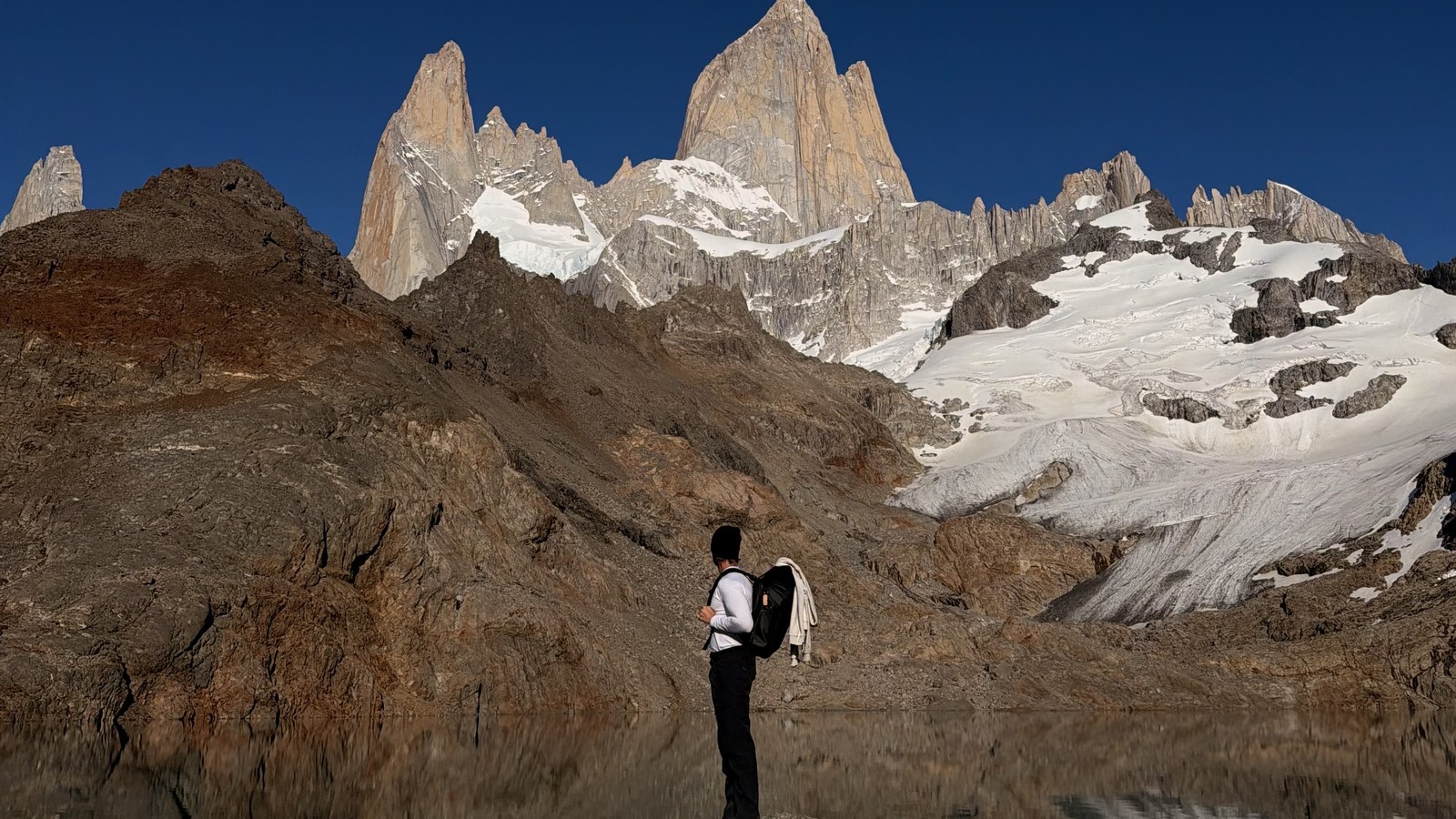
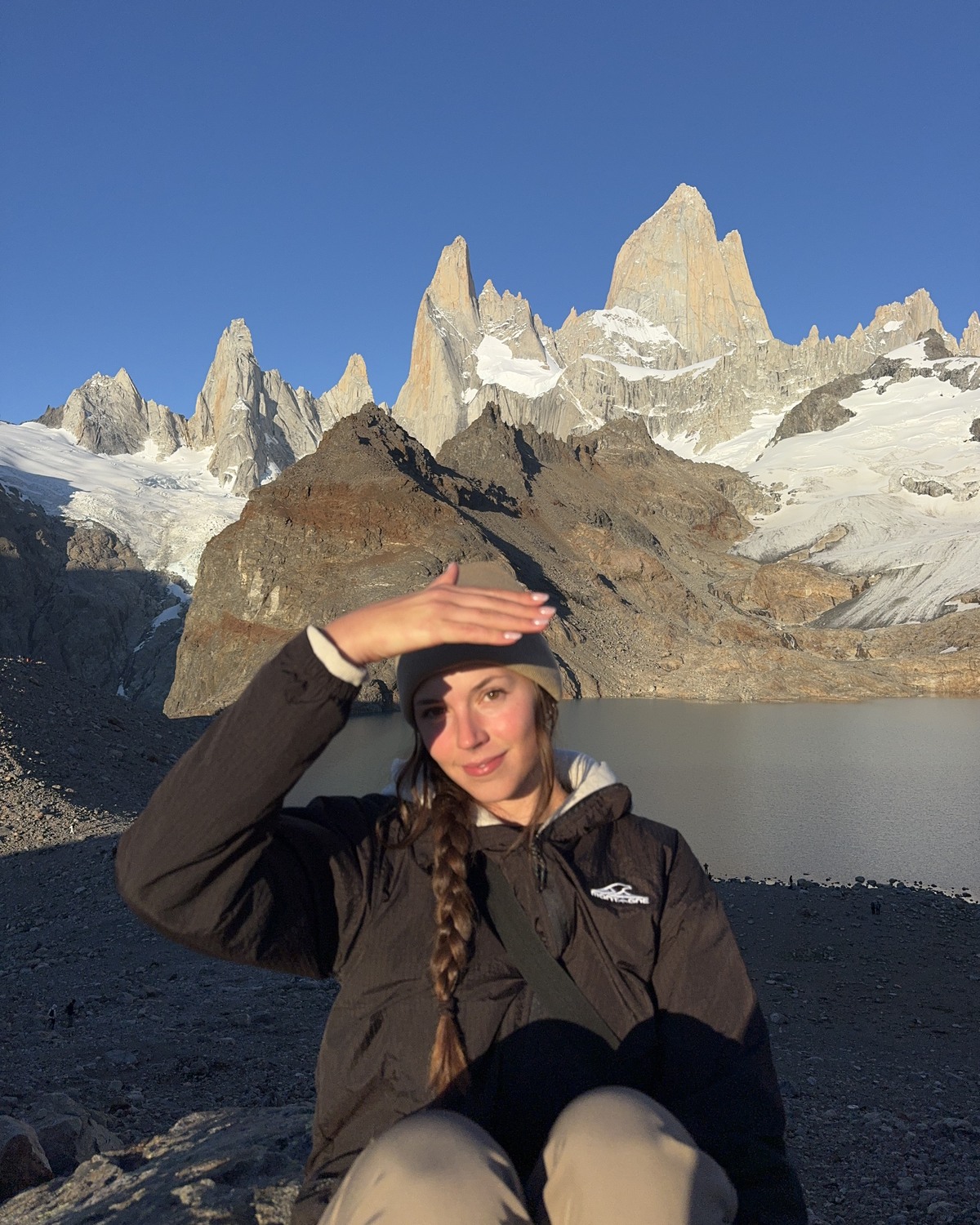
We still had an incredible time! We visited Perito Moreno, walked up to Laguna de los Tres for the Fitz Roy sunrise, and crossed into Chile for a Torres del Paine day tour. Staying in towns worked well for the kind of trip we ended up taking.
The bit I'd change is how much our available accommodation decided the pace. We had six nights across El Calafate, El Chaltén and Puerto Natales, with just two nights in El Chaltén. I really wanted a few more nights there!
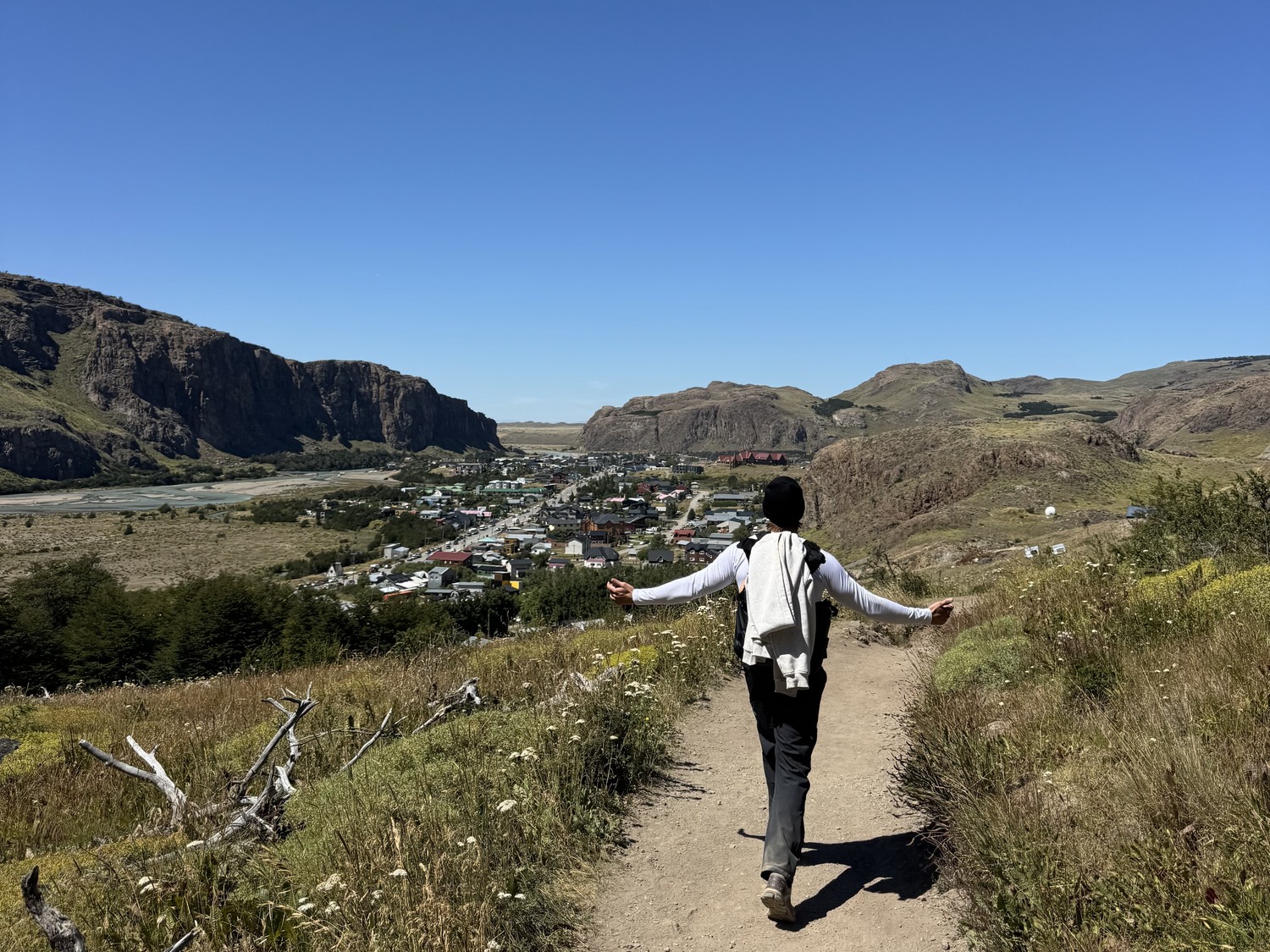
If one walk, trek or tour is the whole reason you're going, check its accommodation and booking requirements before fixing everything around it. Then give yourself time to enjoy the town, recover from the big day and adjust your plans if needed, rather than building a schedule that only works when everything goes perfectly.
And if you don't want to camp, you can still plan a wonderful Patagonia trip around overnight bases. Our Patagonia guide explains how we did it.
2. Choose your base for an ordinary Tuesday
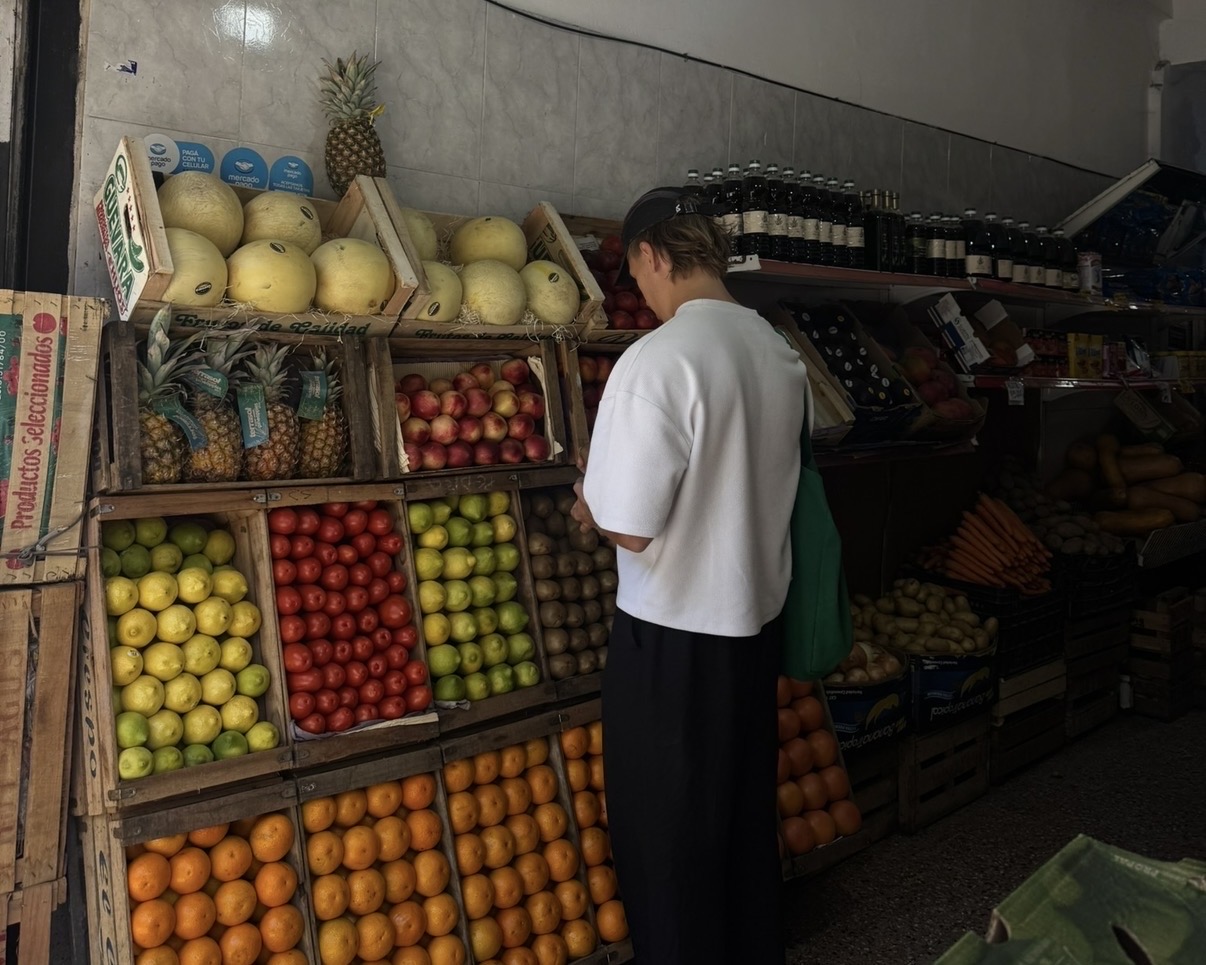
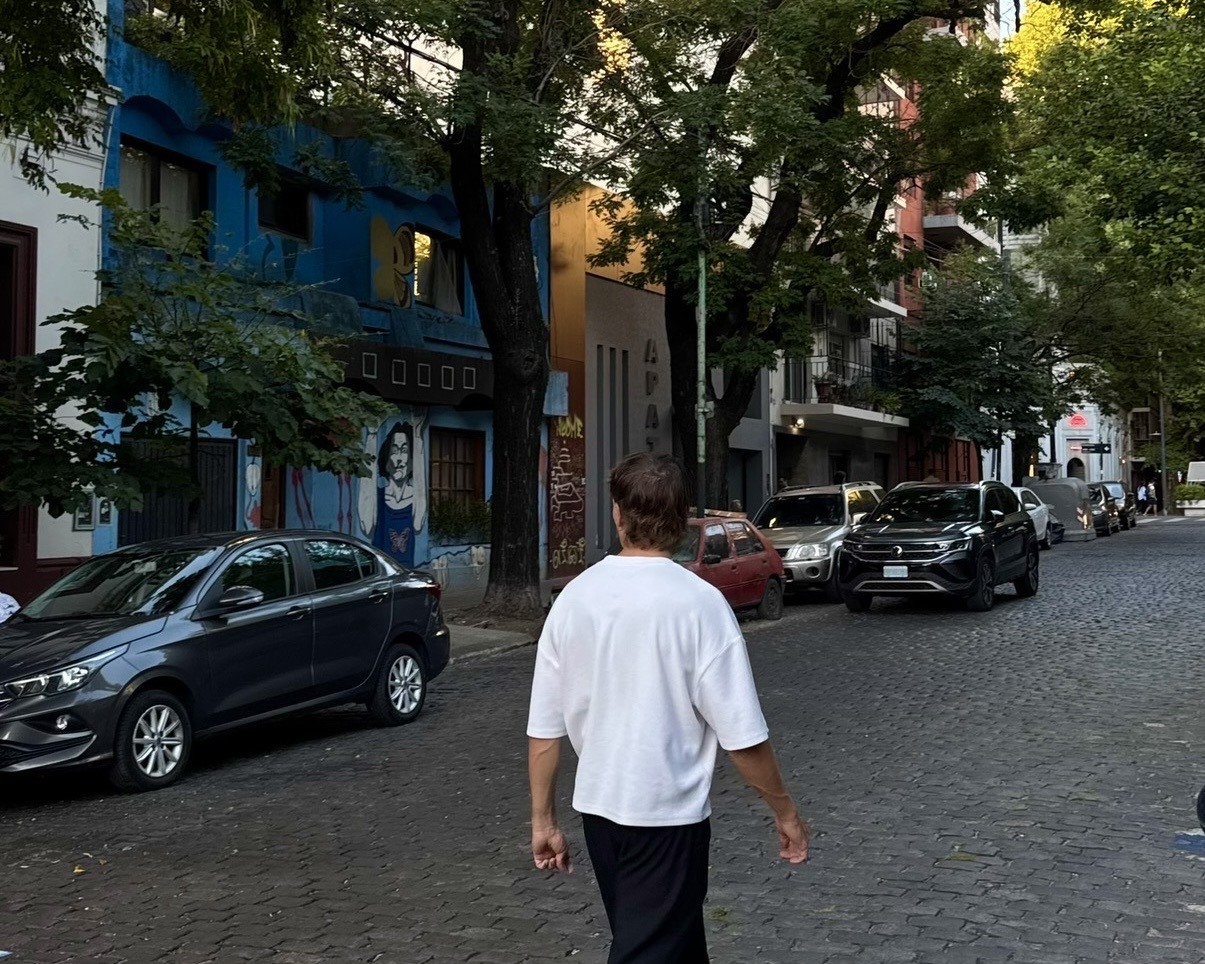
We spent 18 nights in Buenos Aires, split between Palermo Soho and Palermo Hollywood, which gave us time for steak, tango and exploring alongside grocery shopping, cooking and getting back into a routine. I loved that side of the stay!
Our Palermo Hollywood apartment was my favourite of the two, and it cost less per night, which was a lovely reminder that paying more doesn't automatically give you the place you'll enjoy living in most.
When I'm choosing somewhere for a longer stay, I'd look beyond the bedroom photo. Can we cook a meal? Are there cafés and groceries nearby? Does the neighbourhood suit how we'd actually spend our days? If we'll be working, I'd also check the workspace and ask about the internet before booking.
Those details become much more noticeable over two weeks than they do over one night, especially when you're trying to fit work and normal life around seeing a new city.
In San Pedro de Atacama, we stayed three nights at Hostal Anpaymi Atacama, where a private bedroom, private bathroom and shared kitchen suited us well before moving into the very different rhythm of the Bolivia crossing.
For a city base, start with our Buenos Aires neighbourhood and accommodation guide. For the desert part, here's where to stay in San Pedro de Atacama.
3. Treat border crossings as the day's plan
Our bus from El Calafate to Puerto Natales was scheduled to take about five hours and fifteen minutes. It took roughly seven hours and twenty minutes, including waits at both border posts.
By the time we arrived, the plan was checking into our hostel and finding dinner, so I'd be very reluctant to build a tight onward connection around a journey whose advertised time could stretch that much.
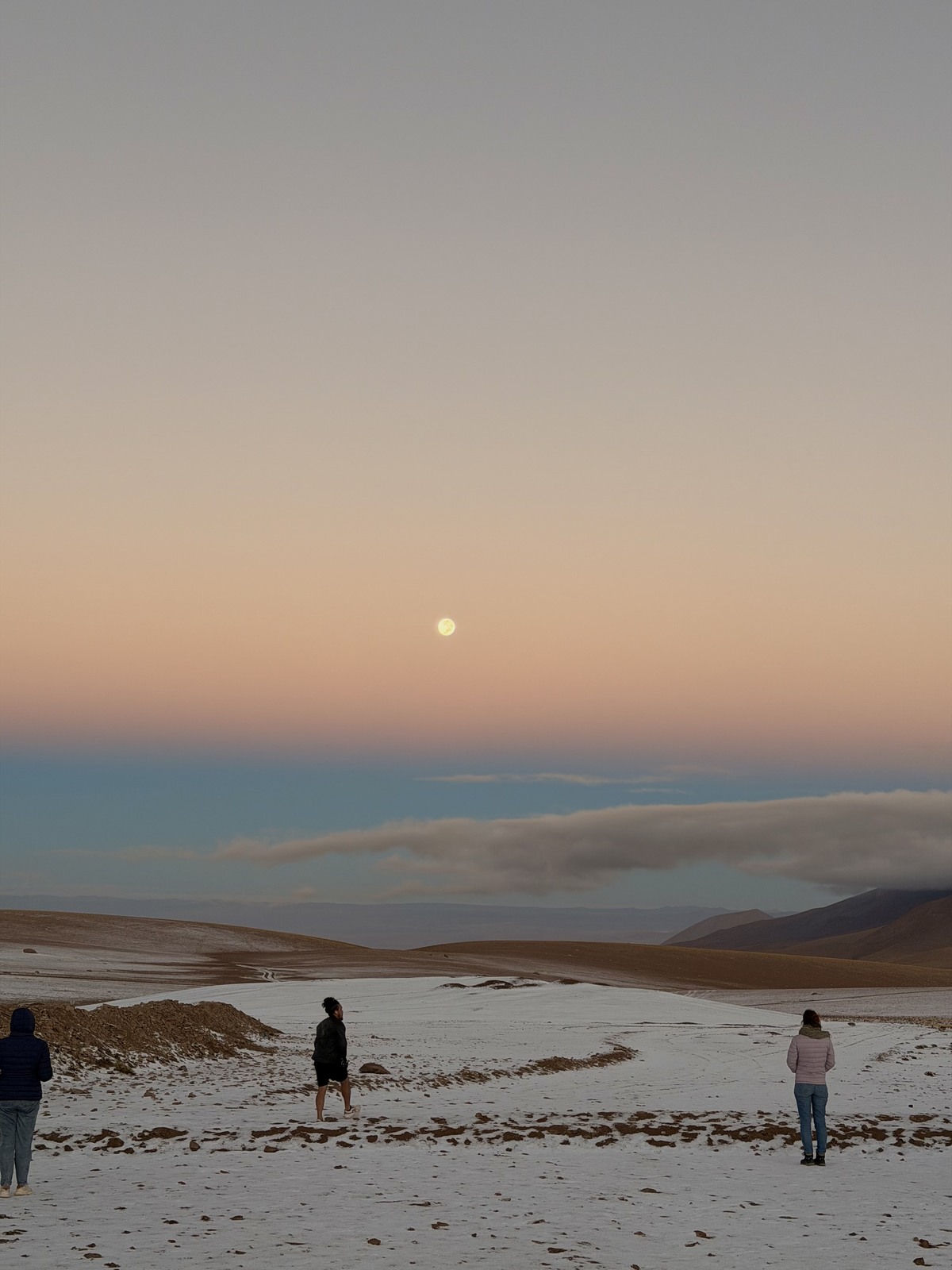
The Chile to Bolivia crossing was another early start, with pickup around 6am followed by roughly an hour and a half to two hours waiting near the border in freezing, snowy conditions. The toilets weren't available during our stop either.
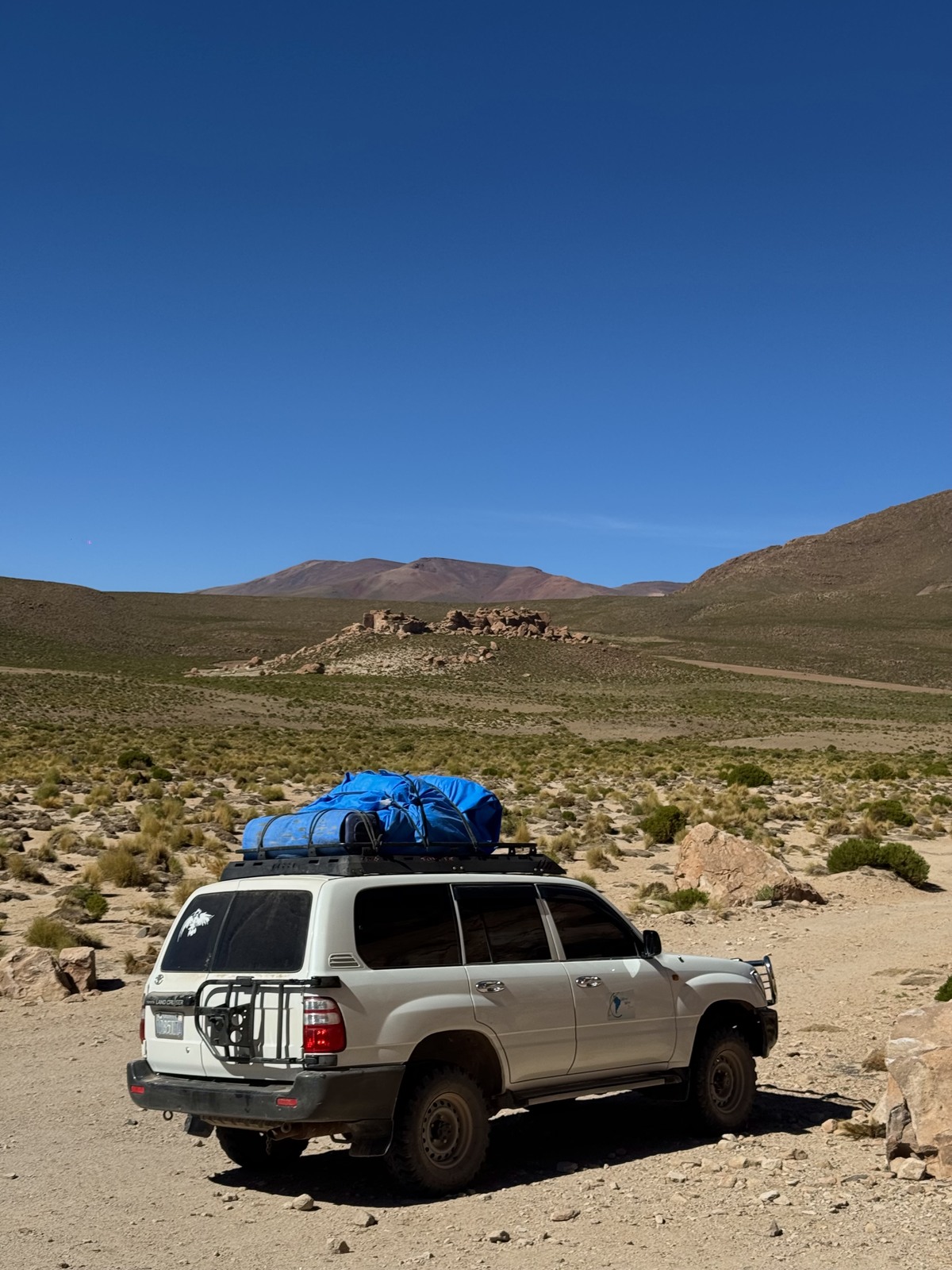
I'd keep warm layers, snacks, water and the things I might need during a wait in my day bag, rather than packing everything away with the main luggage. On our Bolivia tour, the big bags travelled on the roof of the four-wheel drive once we'd transferred vehicles.
Before travelling, check the operator's current check-in instructions and the official entry requirements for your route. Our El Calafate to Puerto Natales bus guide covers our journey, including the terminal steps that were separate from buying the ticket.
4. Ask what “included” actually means
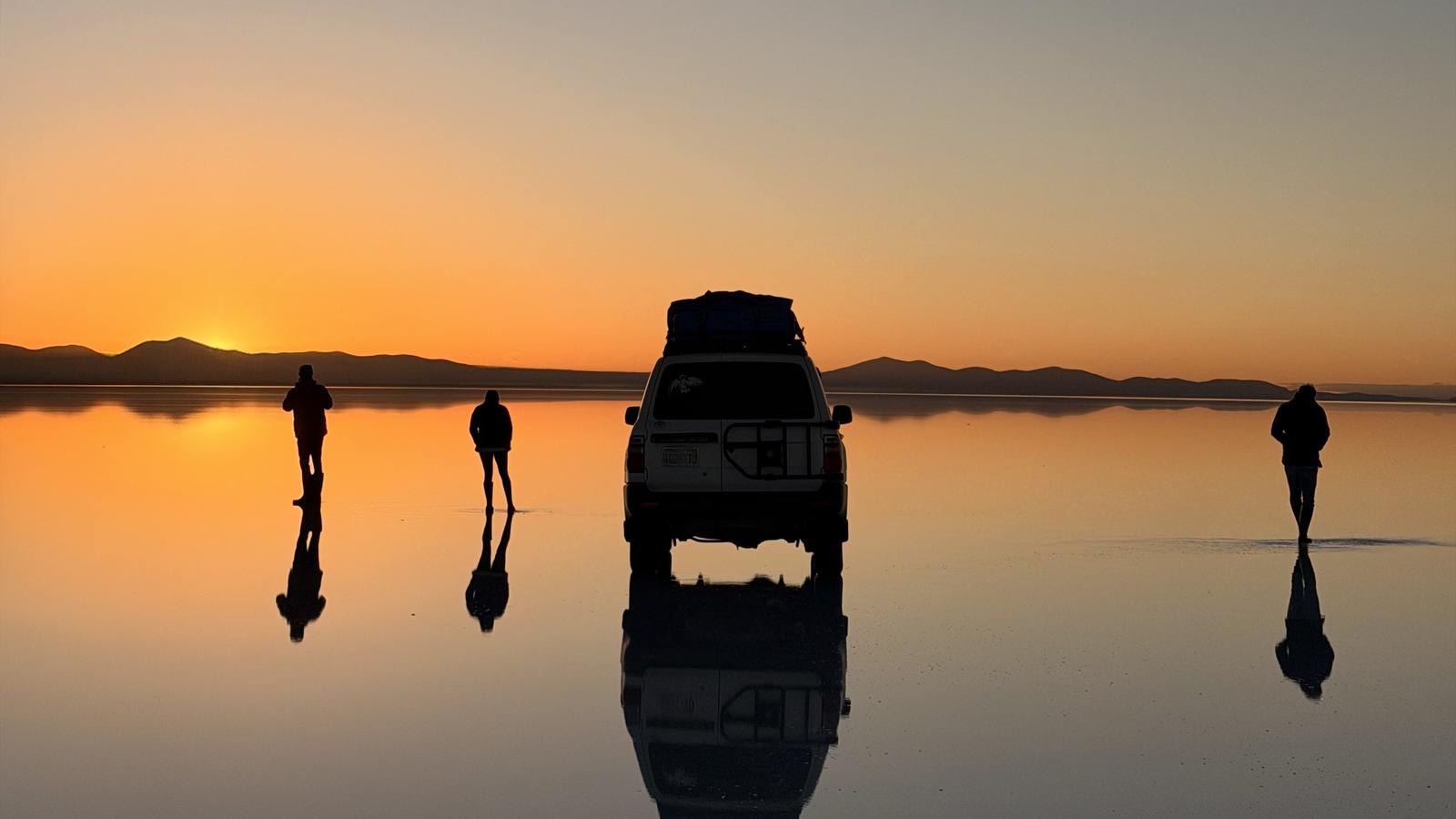
Our three-day, two-night journey from San Pedro to Uyuni was one of the experiences I was most excited about, and I'd absolutely do it again! But the accommodation changed considerably between the two nights.
On the first night, we shared a bedroom with our group, and while it was a simple setup, the beds had thick bedding, the family looking after us were lovely and the food was good. The harder bit was roughly 15 people sharing one bathroom, with no hot water during our stay.
The second night was in Uyuni, where we had a private bedroom and private bathroom. I was very happy to see that room! Both nights were part of the tour package, so they weren't extra hotel bookings to add to its price.
I'd ask these questions before paying for a similar trip:
- Is each night shared or private, and what does an upgrade cost?
- How many people share the bathroom, and what's the hot-water arrangement?
- Which meals, admissions and activities are included?
- What extras will we need cash for?
- Where and roughly when does the tour finish?
The room photos alone wouldn't have told us all of that. I'd want the answers in writing so I could compare packages on the same basis, especially if one quote looked much cheaper.
Our Atacama to Uyuni article goes through the experience day by day. If you're still deciding how to divide your time, read Atacama versus Uyuni before booking both sets of activities.
5. Plan neighbouring stops together
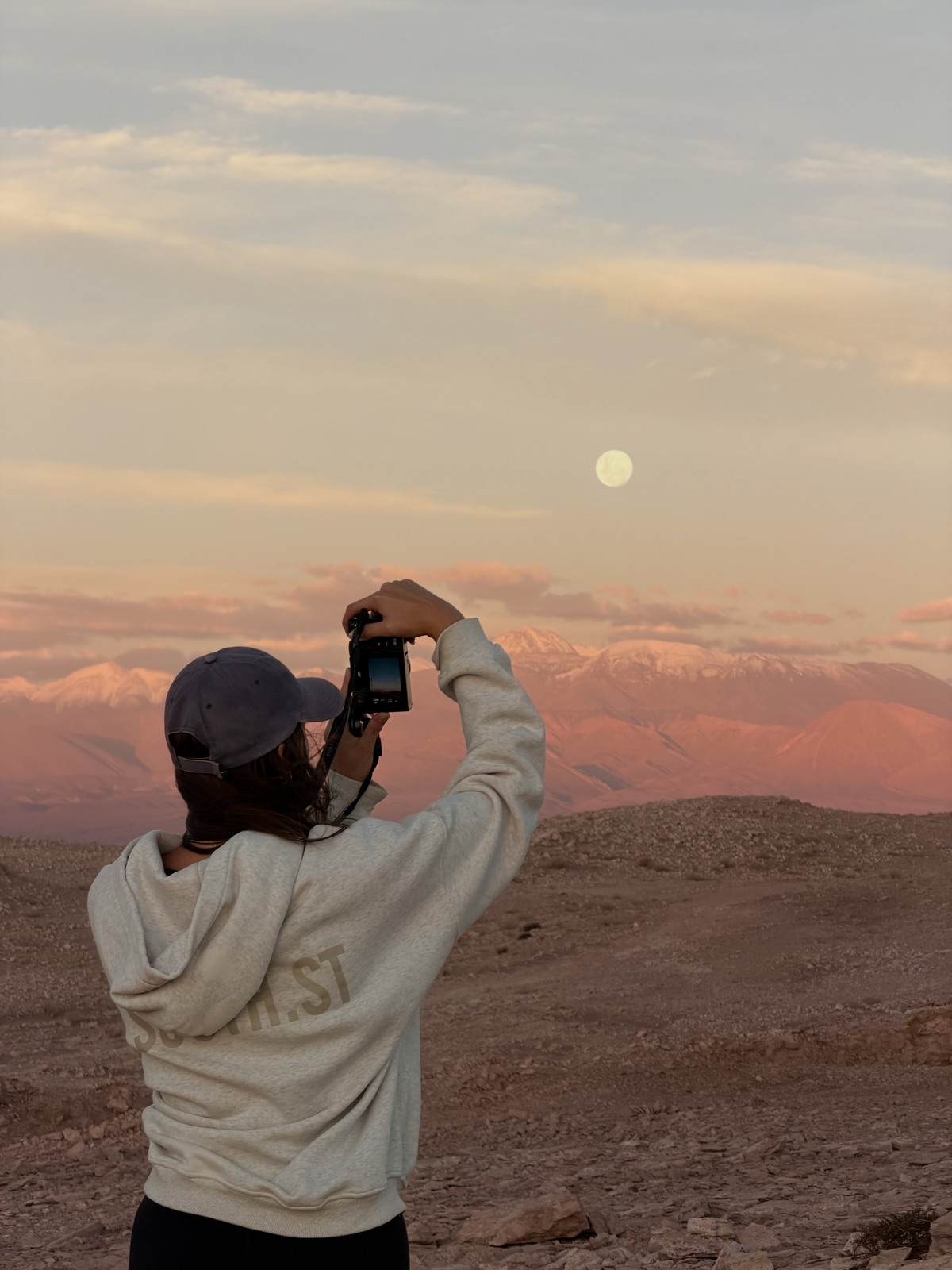
In Atacama, we chose our outings with the upcoming Bolivia crossing in mind, doing Valle de la Luna and El Tatio rather than booking everything on the tour board without thinking about what we'd see next.
That worked well because we were choosing across the route, instead of treating each town as a separate trip with a fresh list of activities to squeeze in. The salt flats were the experience I was especially excited about, and sunrise on the wet flats really was that beautiful!
If you're doing a similar combination, compare the actual itineraries before paying. Look at the stops, time in the vehicle and included meals, then decide which outings add something you want from the trip.
You can browse Atacama tours here. I'd read the individual inclusions carefully alongside your Bolivia plans, rather than assume every departure follows the same route.
6. Pack for the coldest part of your day
We bought hiking clothes in Buenos Aires before heading to Patagonia. For Fitz Roy, I had thermals, fleece-lined trousers, a windbreaker, a jumper for the top, a beanie and gloves. Even then, waiting around at the top in the cold felt very different from walking uphill!
Then we reached Atacama, and despite having bought those extra clothes for Patagonia, I was underdressed for our El Tatio morning, getting ready around 4.24am for an outing with temperatures around zero. A desert afternoon wasn't a useful guide to how that early start would feel.
I'd build the packing list around the coldest early start and the time spent standing still, then check the forecast and the operator's advice close to departure. Keep the extra layer somewhere you'll actually reach it.
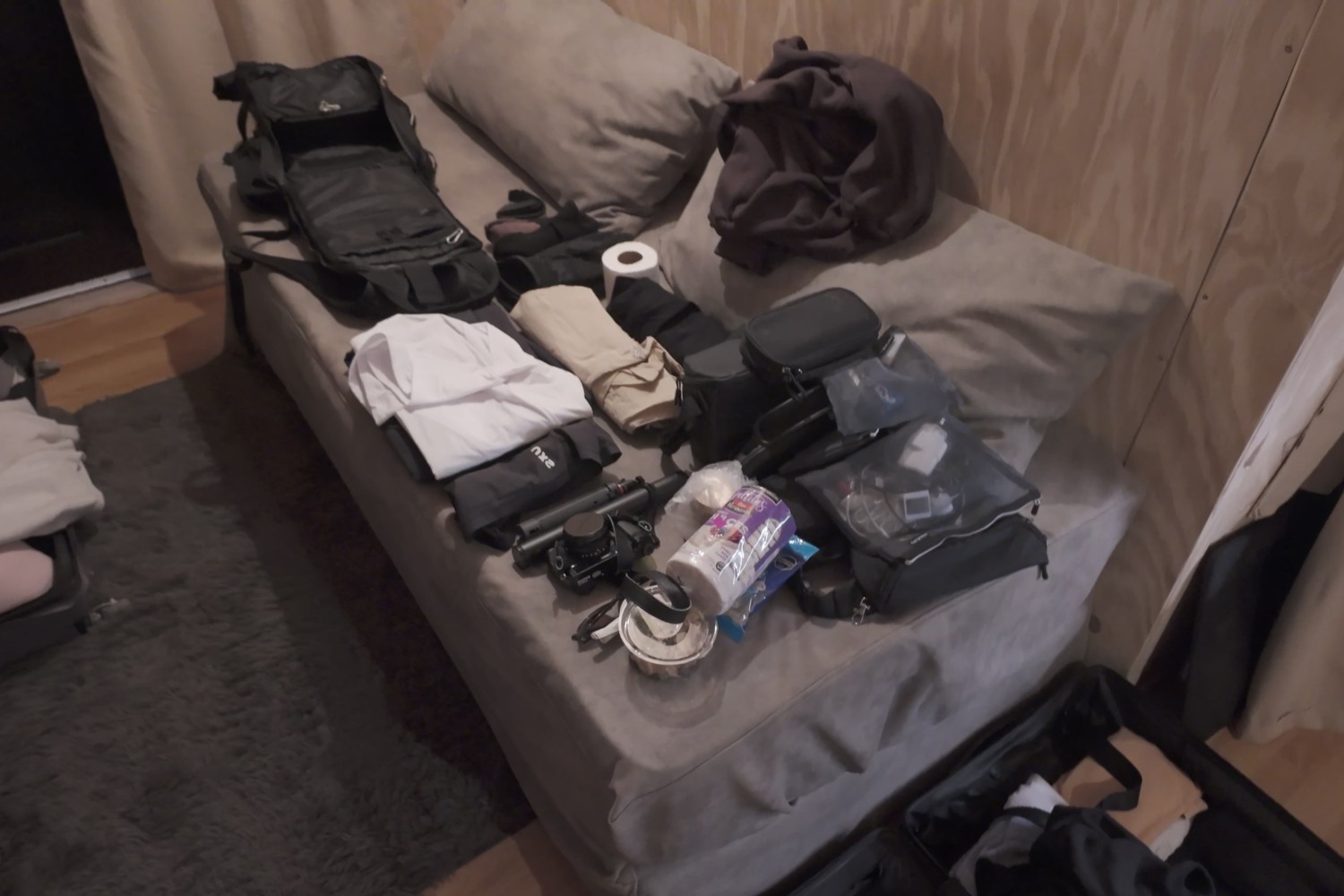
Footwear is the other thing I'd rethink. I wore my New Balance 990s for Fitz Roy and regretted them on the steep, loose descent. We're not regular hikers, and that final section was hard work!
I'd choose footwear with the terrain in mind and test it before the trip. Our Fitz Roy clothing and packing guide has the detailed list, including what worked and what I'd change.
7. Compare budgets with the same things included
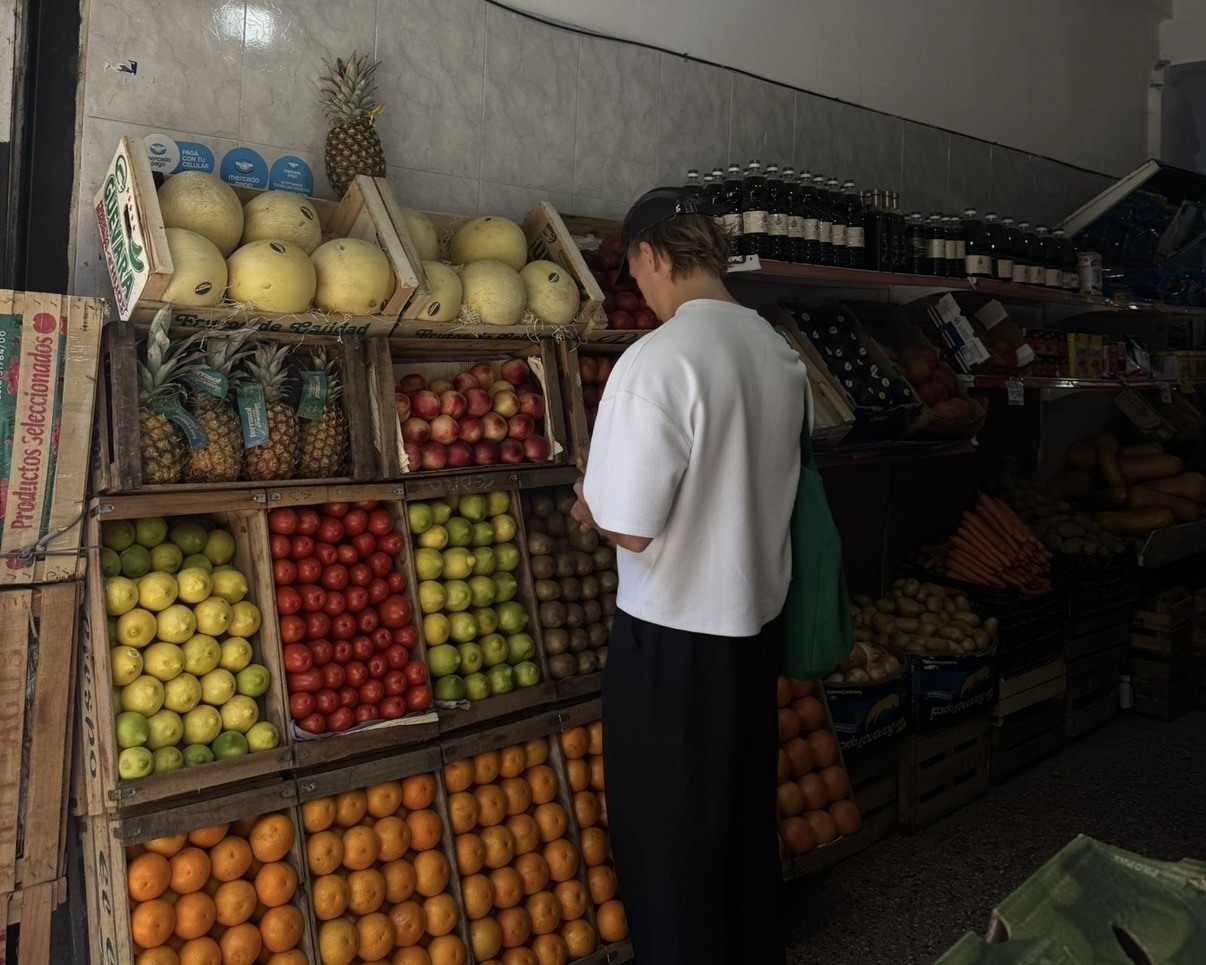
A cheap-looking daily figure isn't much help if you can't tell whether it includes accommodation, transport or the activities you came for. I'd start with the route, then price the expensive days separately.
Our Buenos Aires stay and Patagonia trip had very different shapes, because in Buenos Aires we spread apartment costs across 18 nights and mixed sightseeing with cooking and ordinary days rather than moving between bases. In Patagonia, six nights included several bases, inter-town travel and major day trips.
Before using someone else's budget, check:
- Whose spending is it? One person, or the total for a couple?
- What's covered? Stays, food, transport, activities, flights and shopping can be counted differently.
- What kind of trip was it? A kitchen and a longer stay change the comparison with a short sightseeing trip.
- When did they travel? A January 2026 bill is a record of that trip, not today's quote.
Our cost guides label the figures and inclusions: what we spent in Buenos Aires and what our Patagonia trip cost. I'd use them to spot the categories you need, then get current quotes for your dates.
We use Wise as one of our travel money tools. I'd also ask the accommodation or operator what payment methods they accept before arriving, rather than assume every payment can go on a card.
8. Keep some room for the day to change
Two things from Patagonia would change the way I'd book the same trip again.
First, the 3pm bus we wanted from El Calafate to El Chaltén was sold out, so we took the 4.30pm departure. We bought our return ticket only minutes before leaving and got seats. Both happened on the same trip, which is why I'd book ahead when a particular departure matters to the rest of the plan.
Second, we changed our Torres del Paine plans because of the weather and ended up booking a day tour the night before, only to find that cloud meant we couldn't see the towers. That's part of our actual trip, even though the sunny photos were what had made us want to go!
I'd add nights in the place where the weather-dependent activity matters most, if the itinerary allows it. A recovery day after a big hike would be lovely too, especially before another early departure.
For the practical detail, read our El Calafate to El Chaltén bus guide and Torres del Paine day-tour experience.
FAQs about planning this South America trip
What should I book first for Argentina, Chile and Bolivia?
Start with the least flexible experience on your route, such as a trek with limited overnight places or a tour that has to fit fixed travel dates. For our trip, I'd have checked Patagonia accommodation and trek availability earlier, then built the surrounding days around it.
Can you visit Patagonia without camping?
Yes. We stayed in El Calafate, El Chaltén and Puerto Natales and explored through day trips, including the Fitz Roy hike and a Torres del Paine day tour. We didn't do the W Trek. I'd allow more time in El Chaltén than the two nights we had.
Is the Atacama to Uyuni tour accommodation all the same?
It wasn't on our trip. Our first night had a shared bedroom and shared bathroom facilities, while our second night in Uyuni had a private bedroom and private bathroom. Ask the operator about each night, room upgrades, meals and extras before booking.
How much should I budget for this route?
Price your actual stops and activities separately, then add inter-town transport, border-day costs and flights. Our Buenos Aires and Patagonia cost guides show what we spent and what's included. Their figures are historical records, so use current quotes for your own travel dates.
Watch the trips behind these tips
The Fitz Roy vlog shows the early start, the climb and how we felt afterwards. I still can't get over that view!
Watch our Fitz Roy vlog on YouTube, or come along on the Bolivia salt-flats road trip to see the rooms, the journey and that sunrise.
Catch up with us: our latest video is We Visited The Worlds Highest City, from La Paz. You can also subscribe to Ell's Passport for the next part of the trip!
If I were planning this route again, I'd keep the big experiences and slow down the days around them. More time in El Chaltén, clear answers about the tour nights, and warm clothes within reach at the border would make a trip I already loved easier to enjoy.
Ellen x