Safari in July: We Froze, and It Was Absolutely the Right Month
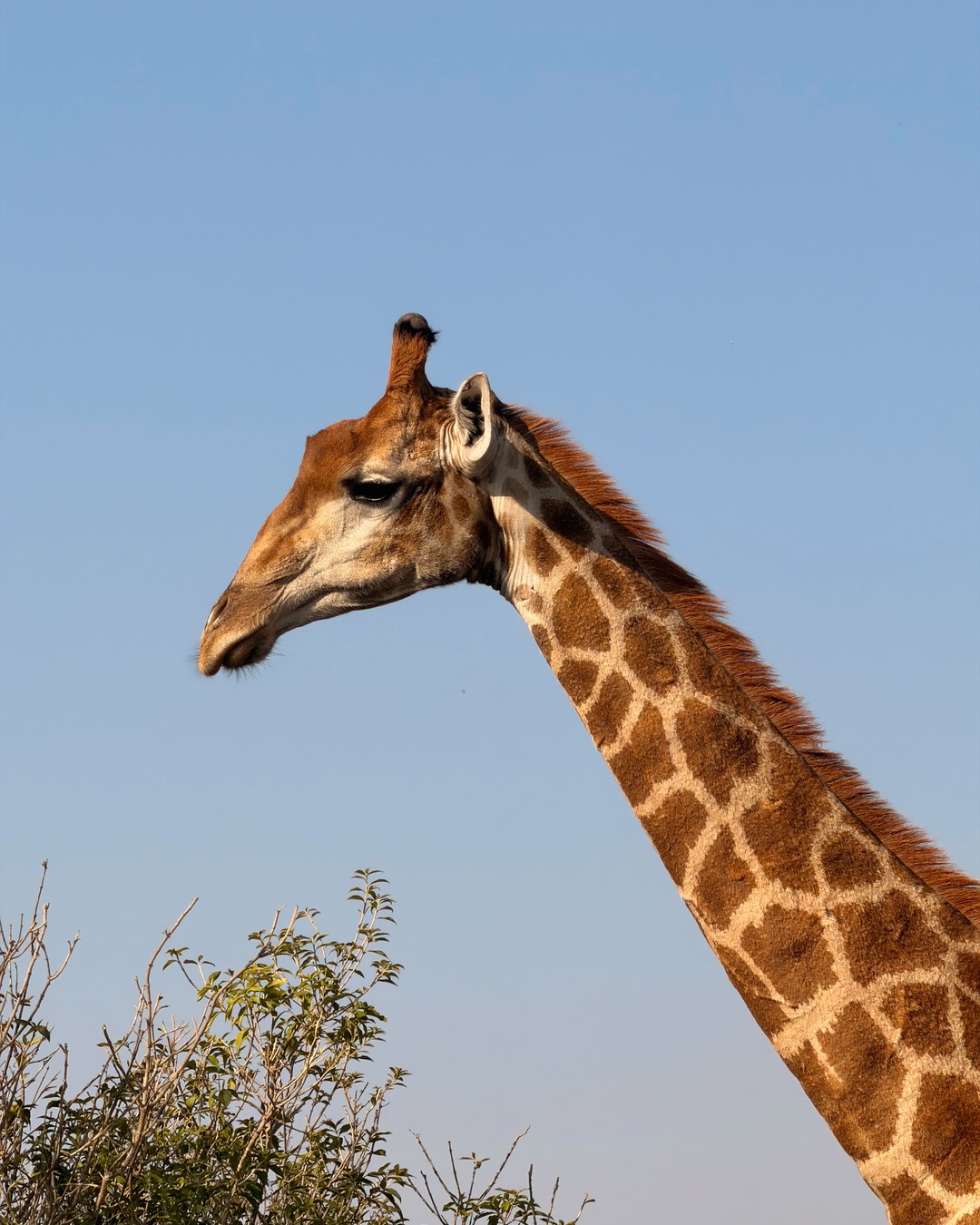
Nobody warns you that you will be cold in Africa. I packed for Africa. Africa in July had other plans.
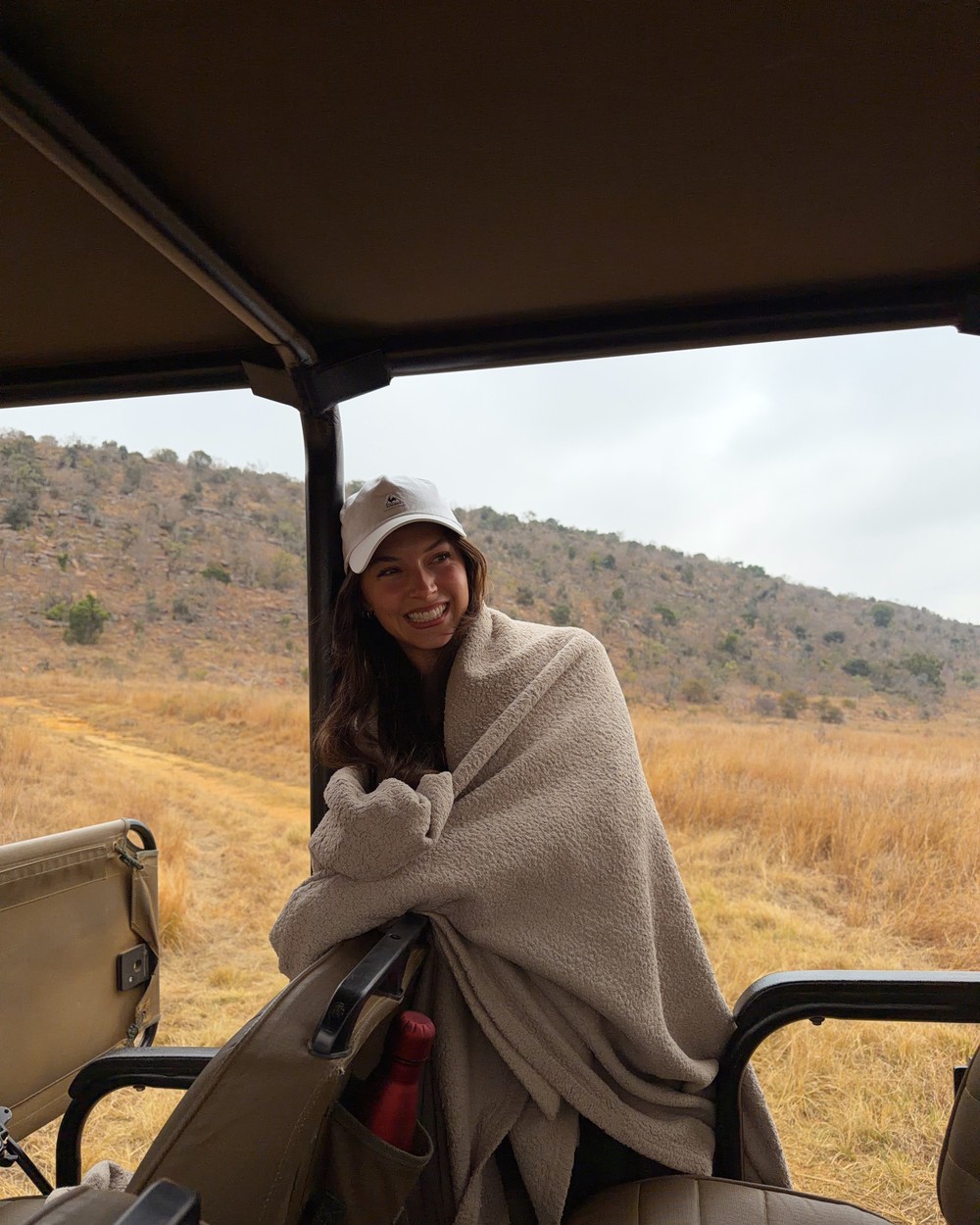
We spent seven days at Welgevonden Game Reserve in the Waterberg, in July, which is the middle of the South African winter. Nights drop below freezing, we were sitting at sundowners in every layer we owned, and our room had a fireplace because there was no other heating in it.
And it was still, without question, the right month to have gone. The cold is not the price you pay for a July safari. The cold is the reason a July safari works.
Is July a Good Time for Safari in South Africa? My Quick Answer
Yes, and it is probably the best month, as long as you actually pack for it.
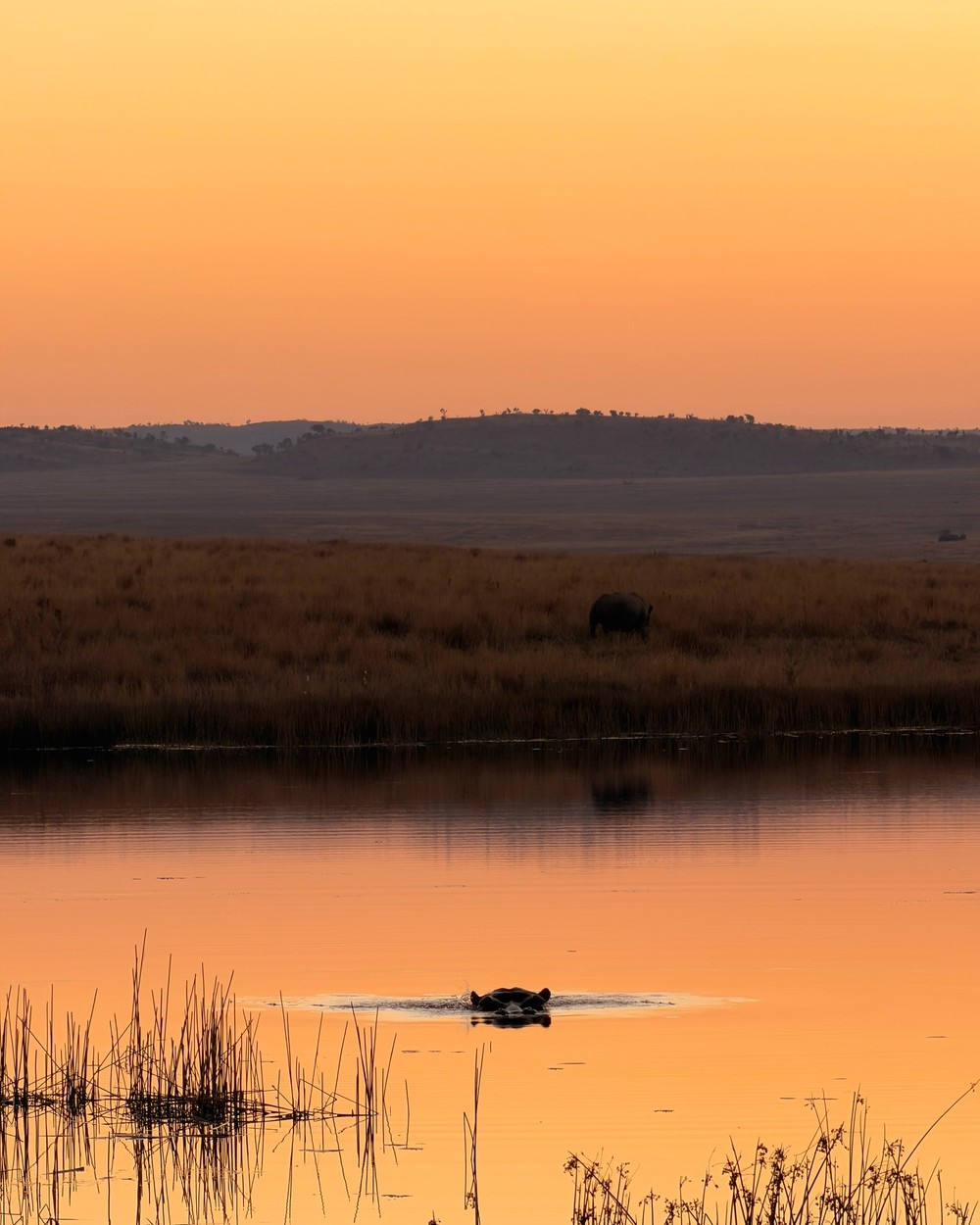
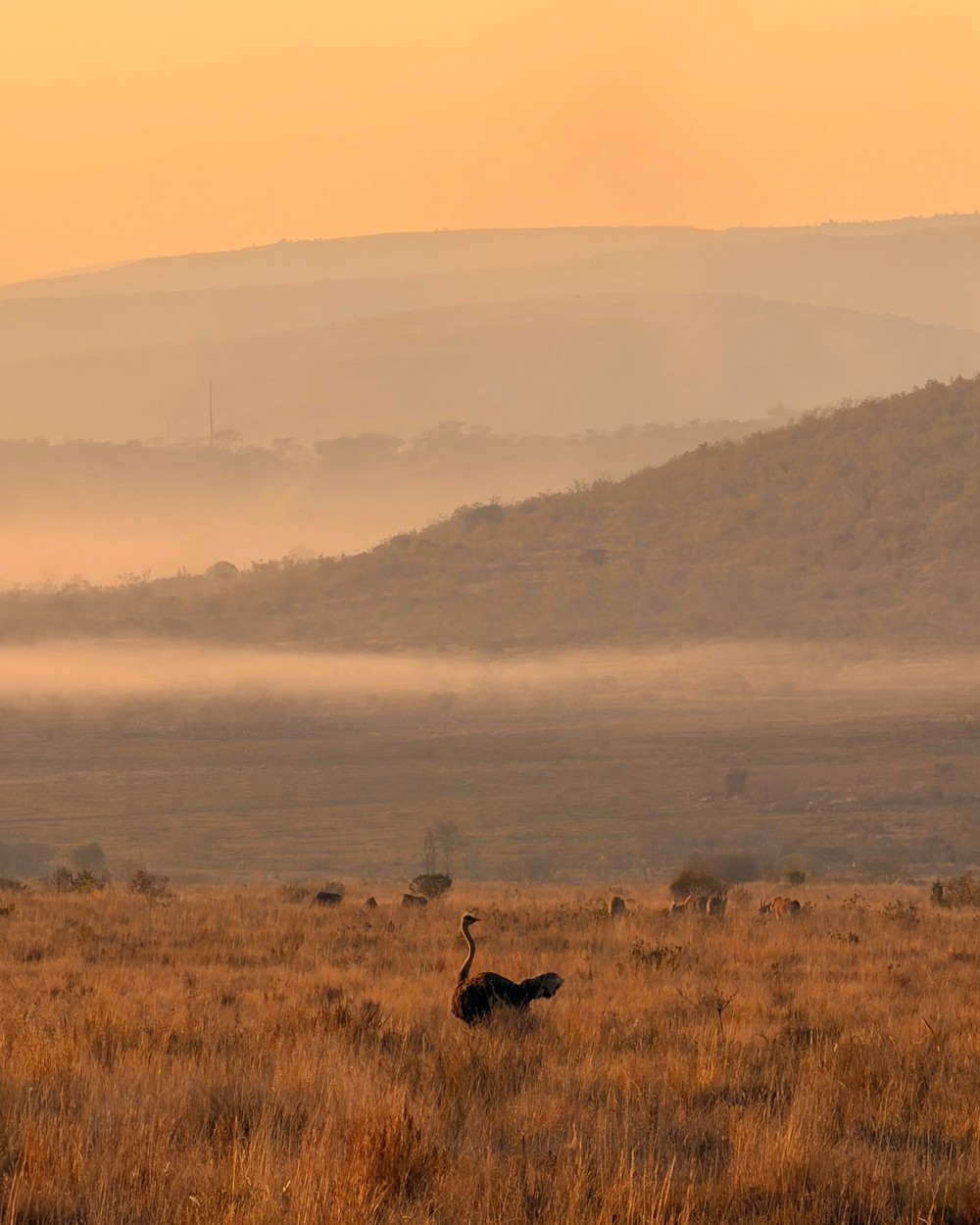
July is the dry season. The bush thins out, the grass dies back, the waterholes shrink, and every animal in the reserve has to come to the same few places to drink. You are not looking for wildlife through a wall of green. It is right there, in the open, because it has nowhere else to be.
What July Actually Felt Like
I want to be specific about this because "bring layers" is what every safari website says and it does not prepare anybody.
On our first evening drive I was drinking an iced drink and shivering. We guessed it was around ten degrees, and we were on the warm side of what the nights do. Looking it up afterwards, July nights in the Waterberg can drop below three degrees, and the days sit around twenty two.
That gap is the thing. By the middle of the day you are comfortable in a t-shirt. At six in the morning and again at six at night you are wearing everything. A morning game drive in an open vehicle at 6:30, moving, is colder than standing still at the same temperature.
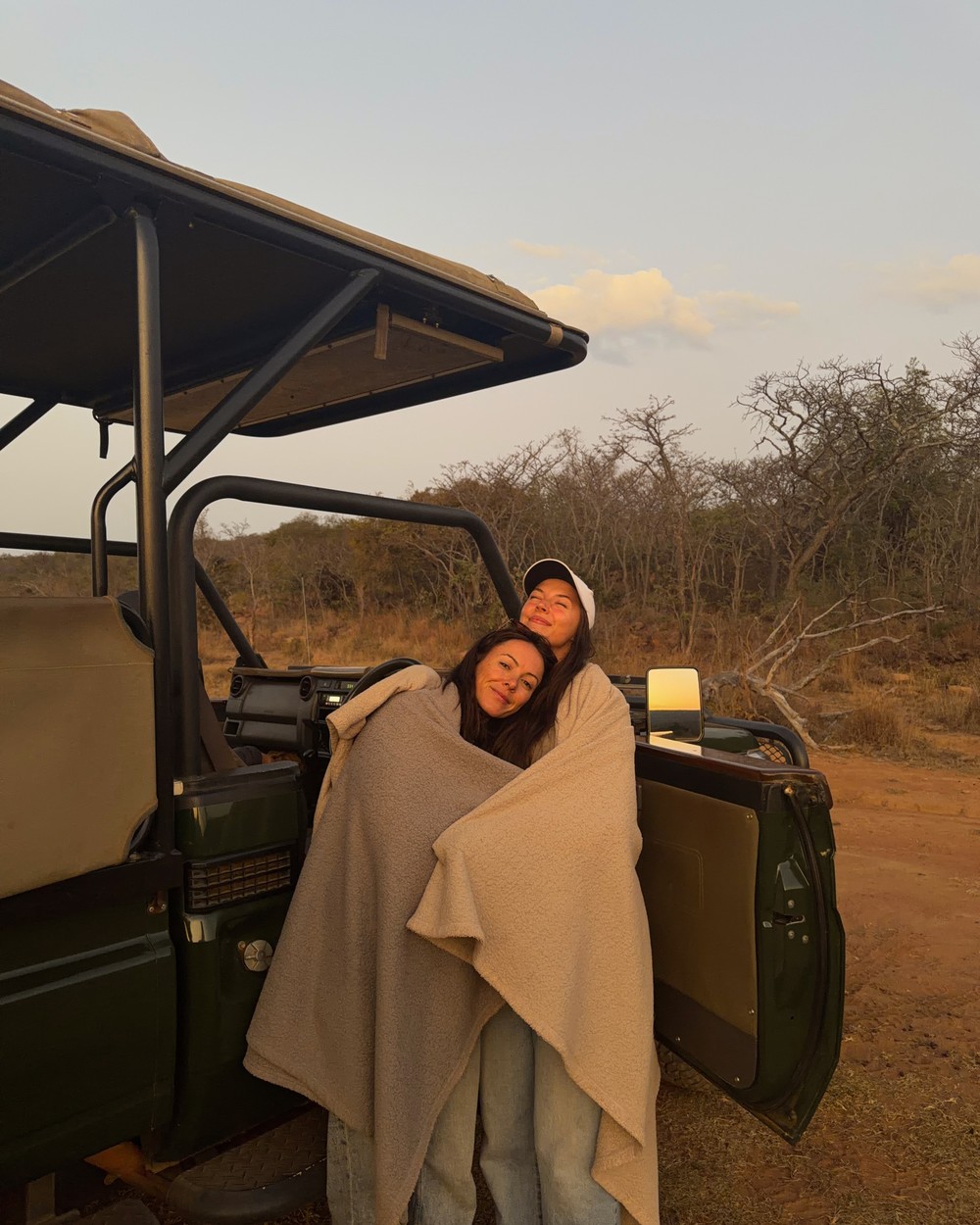
Daniel wore a thermal top most days. I found a long sleeve jumper and a vest in Vietnam earlier in the trip and wore them constantly, which is the most accidentally useful shopping I have ever done.
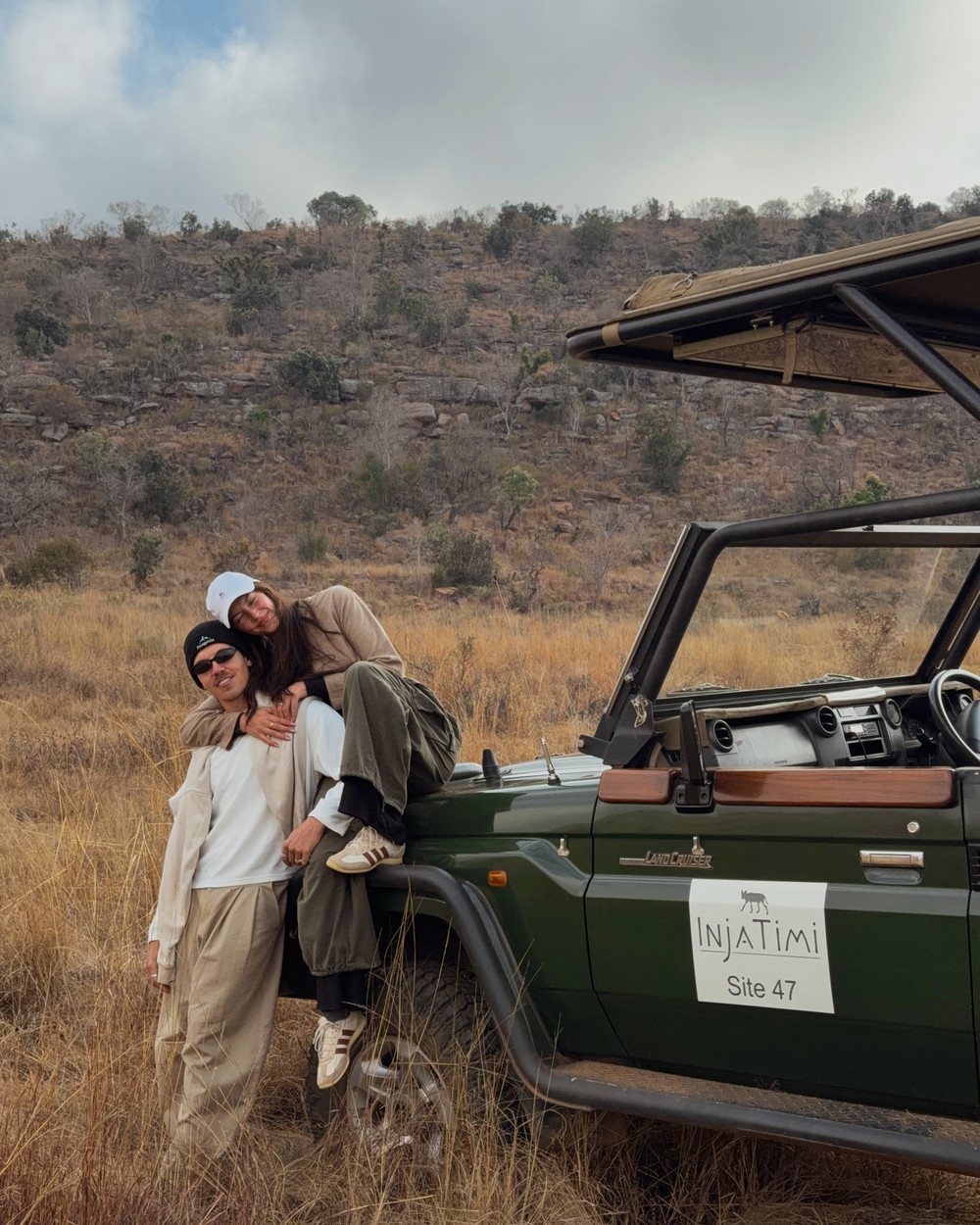
Why the Cold Is Actually the Point
Here is what I did not understand before we went, and it is the reason I would book July again.
The dry season strips the reserve back. No rain for months means the vegetation is sparse and low, and a lot of the trees are bare. You can see through the bush instead of at it. On our very first drive, before we had even properly arrived, we had already counted zebra, warthog and wildebeest.
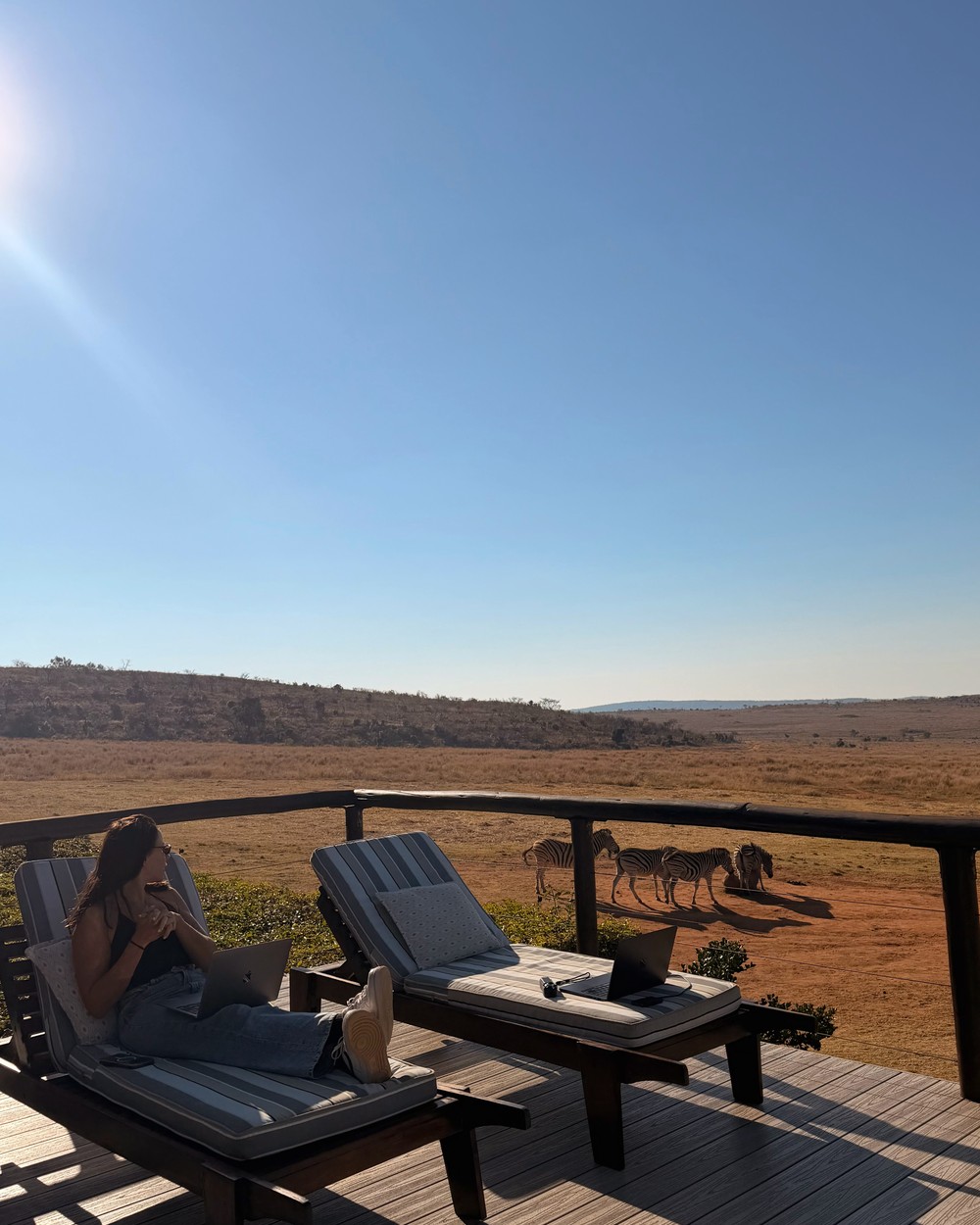
And the water does the rest. When there is nothing falling from the sky, everything has to come to a waterhole. There was one directly outside our room and it was busy: rhinos, baboons, wildebeest, zebra. You do not have to find the animals so much as sit near the water and wait.
That is not a small effect. We saw all of the Big Five in seven days, and I do not think that happens as easily in February. The full day by day record is in did we see the Big Five.
The other bonus: dry winter air means very clear skies, so the stargazing is extraordinary.
The Seasons, and Which One I Would Pick
I can only speak first hand for July. Everything in the "what we found" column below comes from research we did while planning, and from reading afterwards, so treat it as that rather than as our experience.
Scroll to see the full table →
| When | What it is like | Source |
|---|---|---|
| May to July | Dry, cold, thin bush, animals at water. Best game viewing | May to July is what everyone says. July is what we lived |
| August to September | Still dry and improving in warmth, game viewing still strong | Research, not experience |
| October to November | Heat builds, first rains, bush greens up | Research, not experience |
| December to March | Green season. Lush, hot, humid, harder to spot animals, more birds | Research, not experience |
| April | Bush drying out, shoulder season | Research, not experience |
If I were booking again for the animals, I would go in July again, and I would pack properly rather than optimistically.
If you cannot stand the cold, the trade you are making is fewer sightings for a warmer trip, and greener photographs.
What a Winter Safari Lodge Is Actually Like at Night
This is the part nobody writes about, so here it is in detail.
Our room was called Elephant, because the rooms are named after animals rather than numbered.
There was a fireplace, and it was the only heating in the room. Not a decorative feature. The actual heat source. You light it yourself, or somebody lights it for you, and it is the difference between a comfortable evening and a miserable one.
The bed had electric blankets, which combined with a fire is genuinely one of the cosiest set-ups I have slept in anywhere.
A hot water bottle arrives every morning. I got excited about it every single day and ended up shoving it up the front of my top, which is not dignified and is extremely effective.
There is a spa bath, an indoor shower and an outdoor shower, which in July is a decision rather than a luxury. And the window looks straight out at the watering hole, so on more than one occasion the view from the bed was rhinos.
The Bits of the Day Nobody Describes
A safari day is not twelve hours of game drives, and I had no idea what filled the gap.
Roughly, the shape of it: up before six, morning drive from about 6:30, coffee and rusks somewhere out on the plains, back to the lodge late morning. Then a long middle of the day. Then an afternoon drive that finishes at a sundowner spot as the light goes, back for dinner.
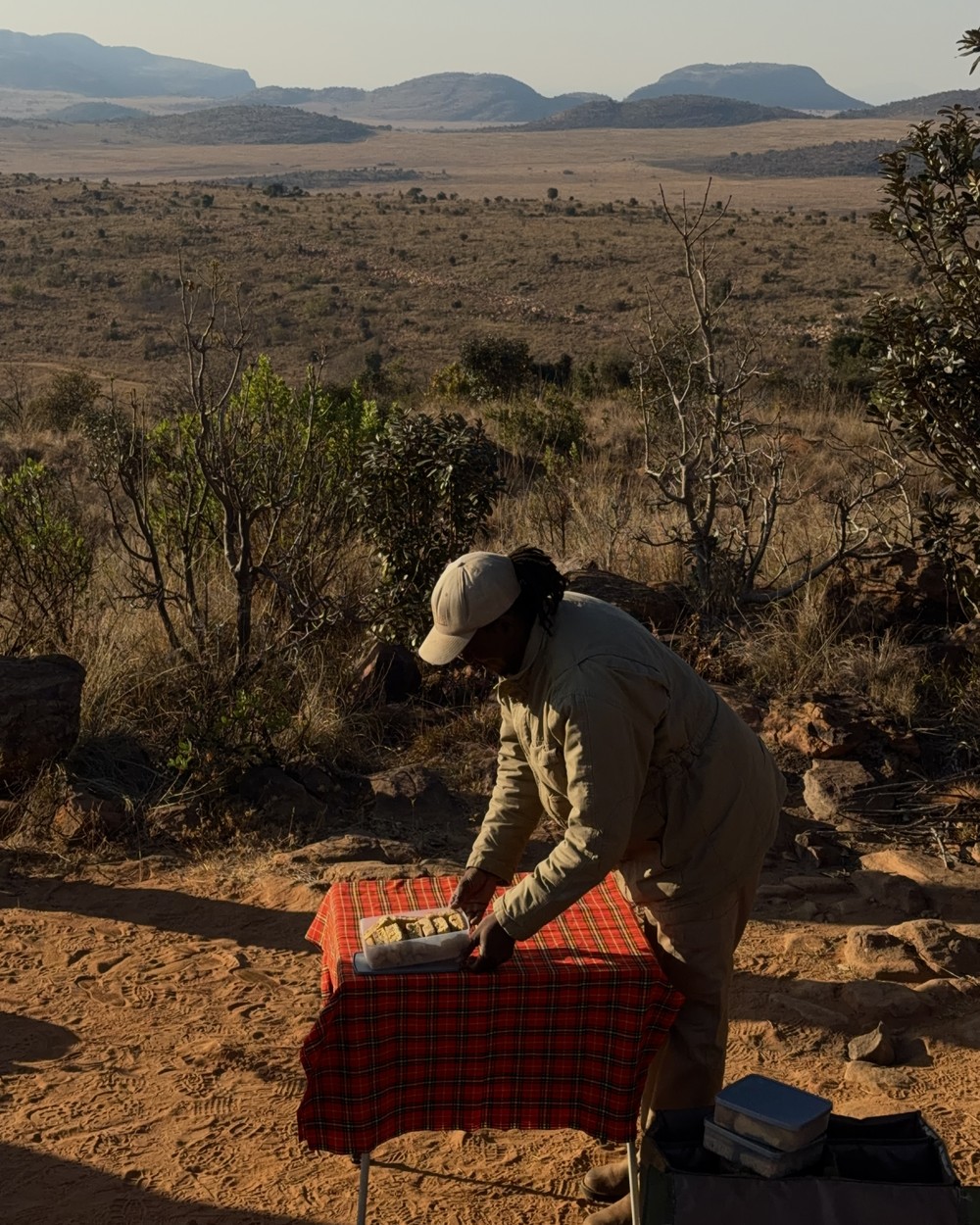
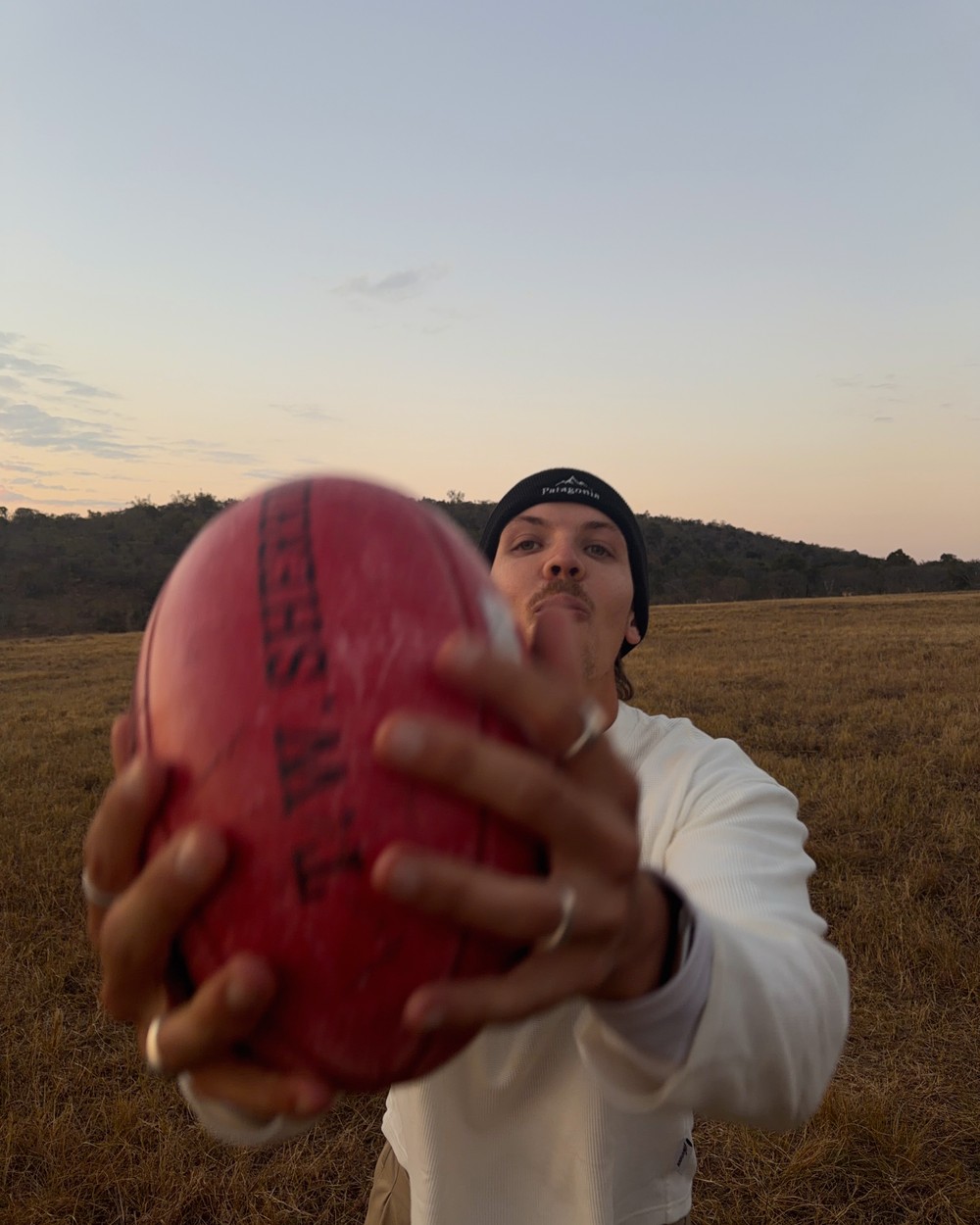
The middle of the day is yours, and you cannot go wandering because of what lives outside. We set up a workout station one morning, which sounds absurd and was actually a good way to warm up. There was a pool. Daniel kicked a football around a field and put it in the river, which he then had to go in and retrieve because he was the only one in shorts.
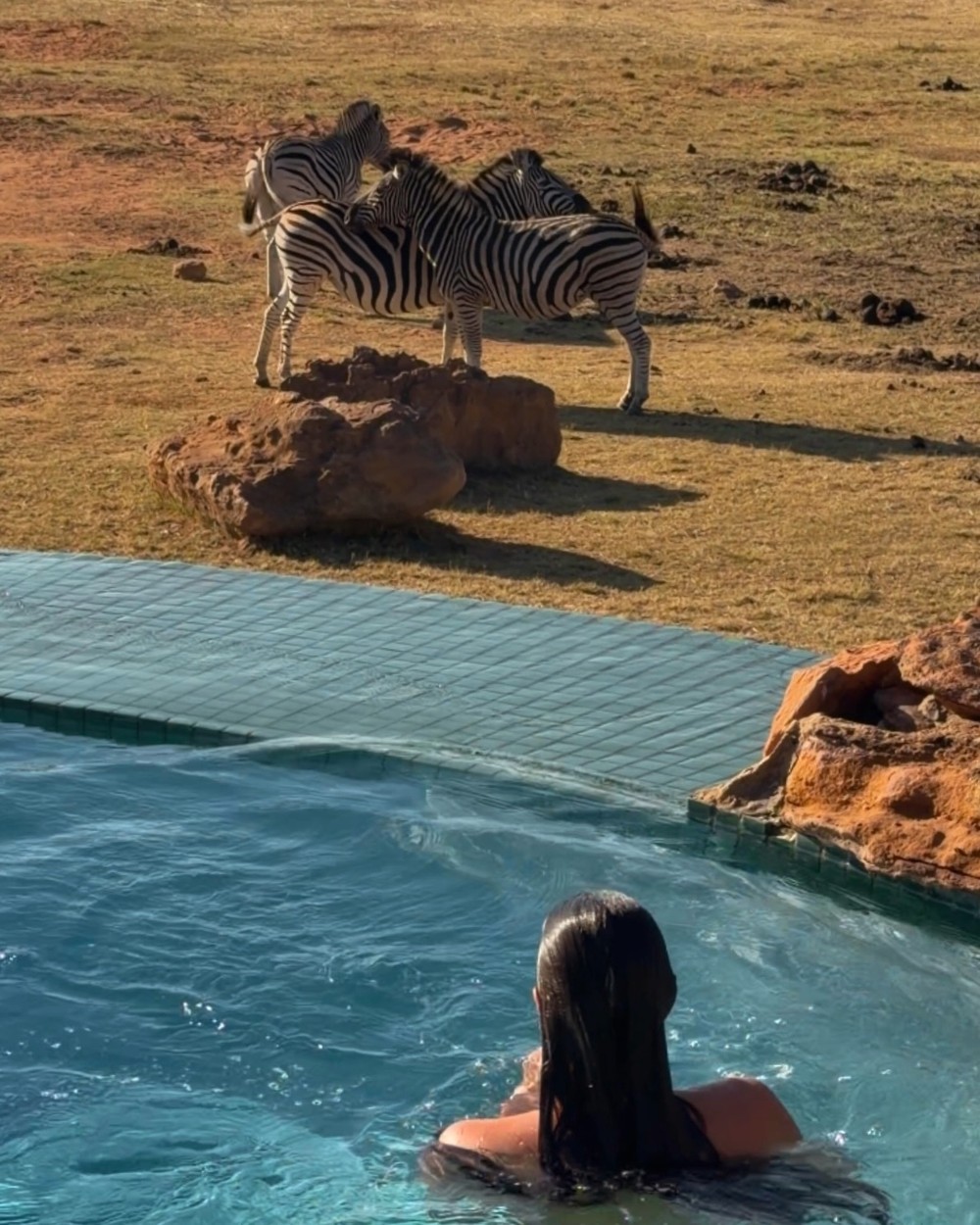
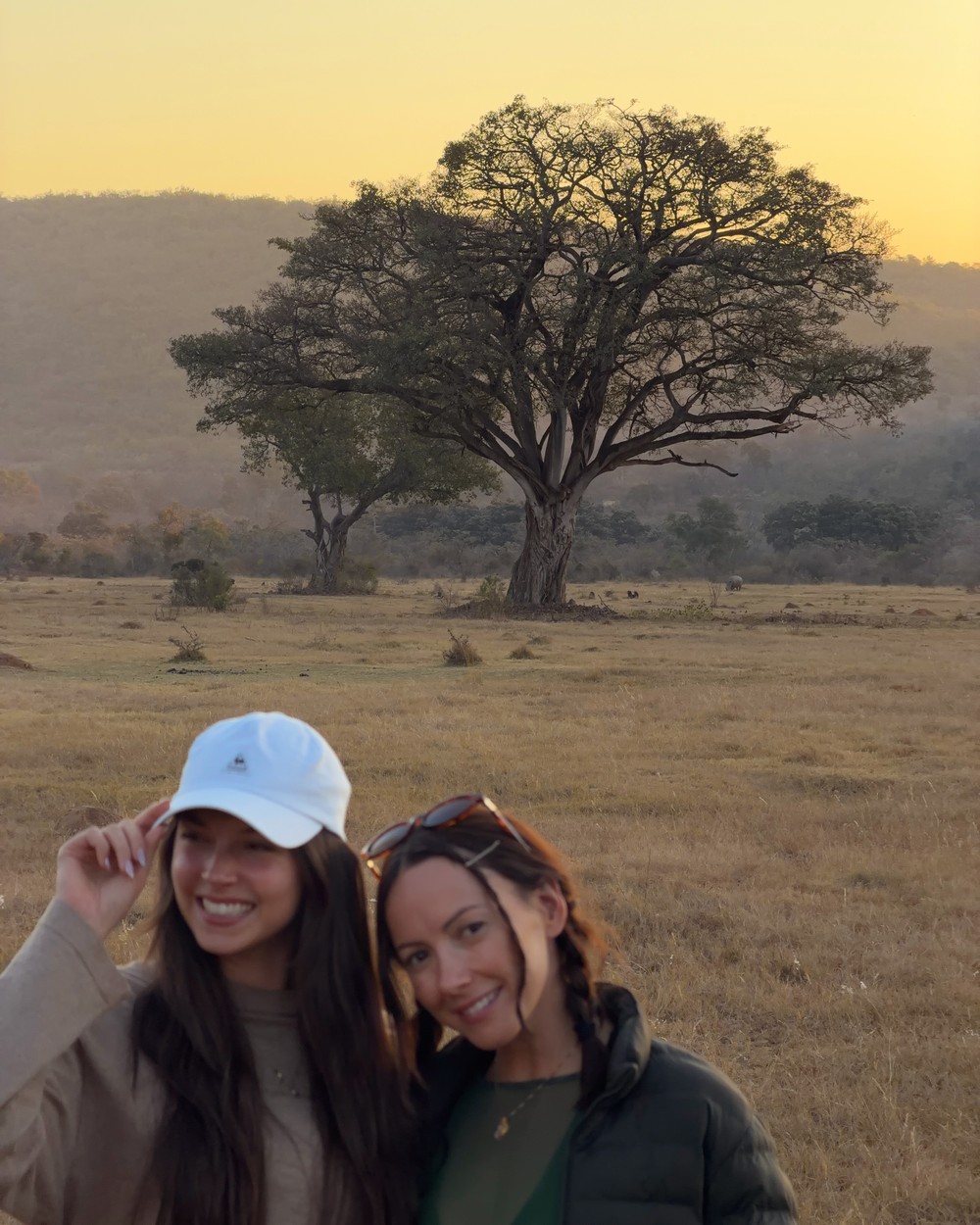
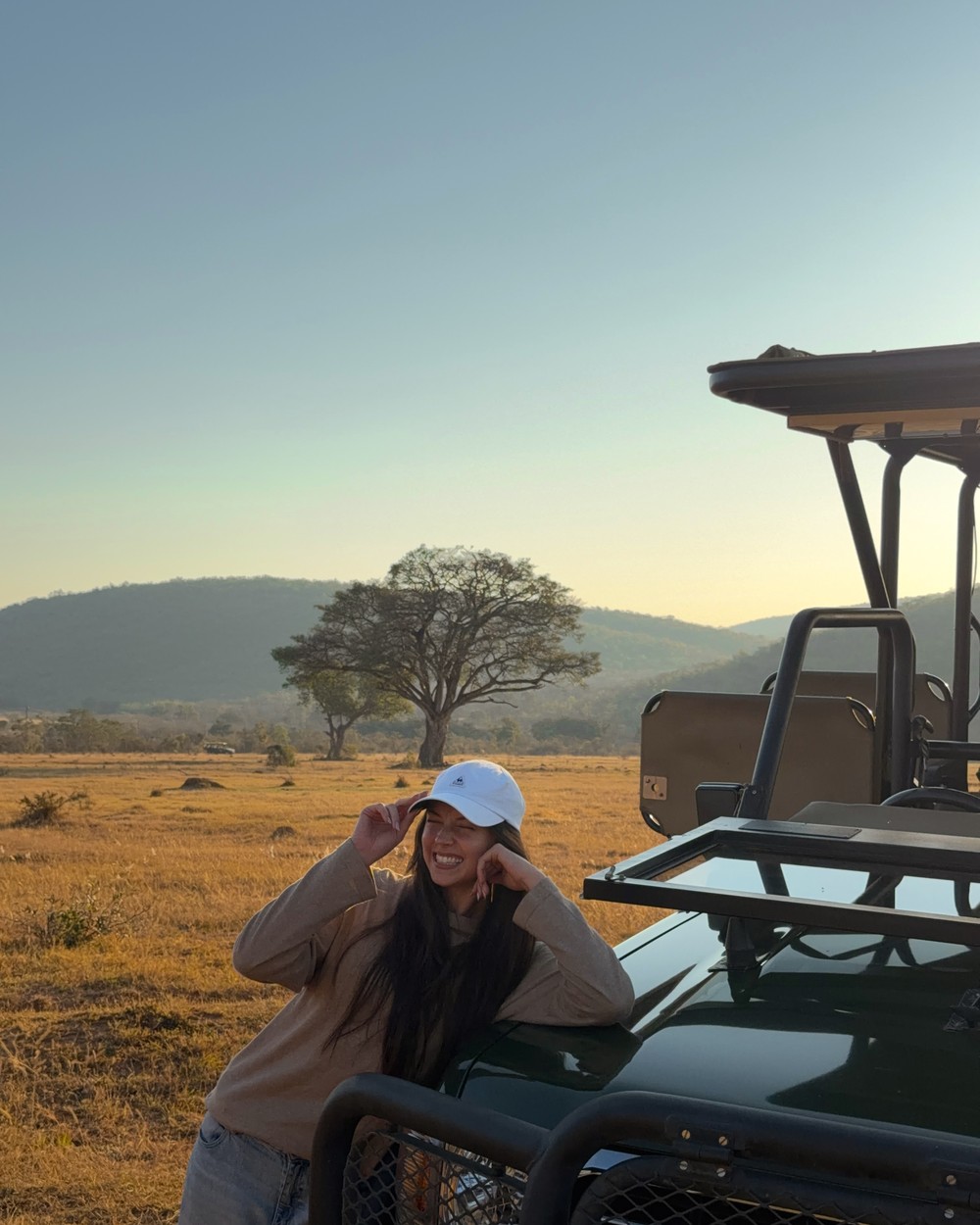
Sundowners happen every single evening, and they are a proper ritual rather than a drink. The vehicle stops somewhere with a view, they set up drinks and snacks off the back of it, and you stand around while the sky changes. On one of ours there were rhinos wandering behind us. On the last one there were zebras.
What You Eat, Which Is Better Than I Expected
The food was one of the genuine surprises of the week.
A braai, which is the South African barbecue and a whole event rather than a meal. I learned to do it with the lodge chef, Lucas, which as an Australian I felt strongly about. My dad would have been proud.
Boerewors, which are the South African sausages, alongside T-bone and venison, with roast vegetables, pumpkin and corn. Oxtail on another night, which neither of us had ever tried and which was outstanding.
Full cooked breakfasts with poached eggs made to order, and rusks with morning coffee out in the bush.
Mulled wine at a sundowner, made with red wine, brandy, orange, apple and spices, which in three degree air is exactly correct.
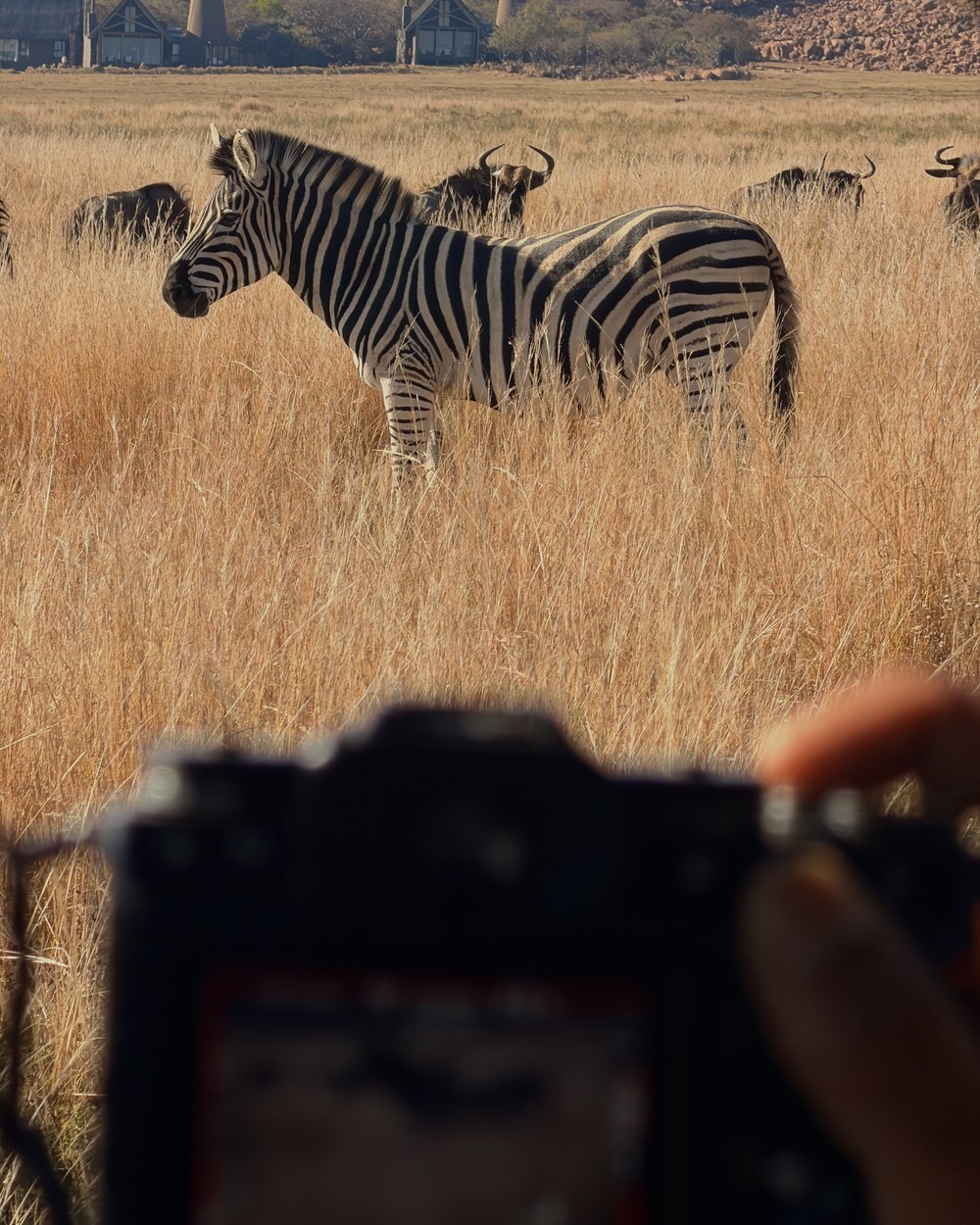
And mopane worms. They are a South African delicacy, they are apparently double the price of steak, and they carry somewhere between 48 and 60 grams of protein per 100 grams, which is more than chicken. Daniel liked them. My verdict, on camera, was "I think I'd rather have a steak." They are crunchy, and the closest thing I can compare the taste to is a bit of steak fat.
What I Would Actually Pack for July
Specific to this month, and everything here is something we either wore or wished we had.
Thermals. A base layer top for the morning and evening drives is the single most useful thing.
A proper jacket, not a light one. Open vehicle, moving, before sunrise.
Layers you can shed by ten in the morning, because midday is genuinely warm.
A beanie and something for your hands. I underestimated this.
Neutral colours, which is standard safari advice and does hold.
Swimwear anyway. There is a pool, and the middle of the day is warm enough to want it.
Watch the Week
The cold, the fire, the hot water bottles, the braai and the worms are all in here.
Watch our seven day South African safari on YouTube
Still planning? Here is everything we actually saw, day by day.
FAQs About Safari in July
Is July a good month for safari in South Africa?
Yes, and arguably the best. It is the dry season, so the bush is thin and the animals gather at the waterholes. We saw all of the Big Five in seven days. The trade is genuine cold.
How cold does it get on safari in South Africa in July?
Cold enough to matter. Days sit around 22°C and nights can drop below 3°C in the Waterberg. On our first sundowner I was shivering with an iced drink in my hand.
Do safari lodges have heating?
Ours did not, in the conventional sense. The room had a fireplace, and that was the heat source, along with electric blankets on the bed and a hot water bottle brought every morning. Check before you book if that matters to you.
What should you pack for a July safari?
Thermals, a proper jacket, a beanie, gloves, and layers you can take off by mid morning. Neutral colours. Take swimwear anyway, because the middle of the day is warm.
Is it better to go on safari in summer or winter?
Winter for the animals, summer for the scenery. Winter thins out the bush and concentrates wildlife around water. Summer is green, lush and much harder to spot things in. We only have the winter experience first hand.
Is Welgevonden malaria free?
Yes, year round, because of the altitude in the Waterberg. That is from research rather than from us, so confirm it against a current source when you plan.
What is a braai?
The South African barbecue, and much more of an event than the word suggests. Ours was cooked with the lodge chef and took up an entire evening.
Are mopane worms actually nice?
Daniel thought so. I would rather have a steak. They are crunchy, they taste a bit like steak fat, and they carry more protein than chicken.