How to Budget for Long-Term Travel: The Costs a Daily Budget Misses

In Budapest, groceries became a bigger part of our spending than restaurants. In Sri Lanka, we were eating in beach cafés most days. Both were trips we loved, but they looked very different when it came to the money.
That's where I'd start with a long-term travel budget: the days you actually want to have. A daily average can help, but it won't tell you whether the room is shared, whether flights are included or how often you'll be packing up and moving. Here's how I'd turn those separate costs into a plan, using examples from our own travels.
Quick answer: build the total before the daily average
I'd split the trip into four parts: accommodation, everyday spending, travel between places and occasional costs. Then add anything you'll still need to pay at home and an amount you can keep available for changes.
Write down who each amount covers before adding it up. A hotel bill for two people and one person's food spending aren't directly comparable. Neither are 30 nights in one apartment and 30 days of a route with several flights.
Once those parts are together, divide the total by the number of travellers and travel days if you want a daily figure. That figure will be much more useful because you'll know what's inside it. Keep the original lines too, so you can change one part without rebuilding the entire plan.

Start with accommodation, counted in nights
The room is a useful starting point because you can check an actual booking total for the dates you're considering. Look at the final amount for the whole stay, including any compulsory fees shown, rather than stopping at the first nightly price.
These are three historical bookings from our travels. They're accommodation only, in Australian dollars, with the whole room shared between two people. They're examples of how to compare the numbers, rather than quotes for what those places cost today.
Scroll to see the full table →
| Our booking | Nights | Whole booking | Whole room per night | Per person per night, split equally |
|---|---|---|---|---|
| Budapest apartment, 15 August to 17 September 2025 | 33 | A$2,394.68 | A$72.57 | A$36.28 |
| Hikkaduwa first stay, 25 to 30 March 2025 | 5 | A$288.82 | A$57.76 | A$28.88 |
| Hikkaduwa second stay, 30 March to 8 April 2025 | 9 | A$1,076.00 | A$119.56 | A$59.78 |
The nightly figures are rounded. Use the whole booking total for your calculations so rounding doesn't add a few extra cents. In Budapest, I left earlier for a girls' trip and Dan stayed longer. The 33 nights describe the apartment booking, not 33 nights we both spent there together.
The two Hikkaduwa rows are a good reminder that even the same town doesn't have one accommodation cost. They were different bookings, for different lengths of time. Neither one tells you what every traveller should spend in Sri Lanka.
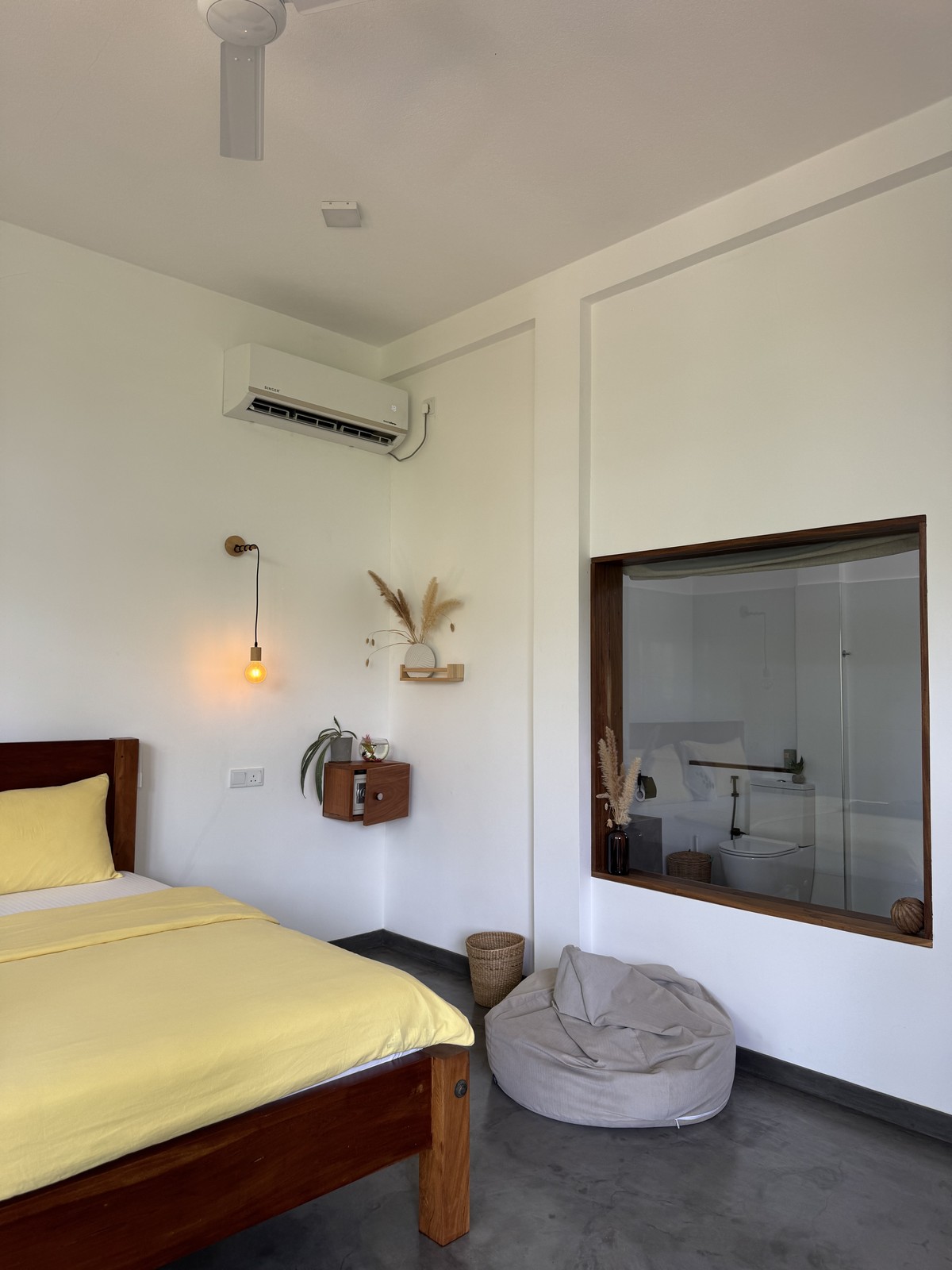
What makes a room good value for a longer stay?
I'd look beyond whether it's the cheapest option. A kitchen is useful if you'll cook. A washing machine matters more over several weeks than a weekend. A location that suits your normal days can be worth paying for, but only if you'll actually use what's nearby.
Our Budapest apartment had a washing machine and space to make breakfast. That suited the longer stay. It doesn't mean every apartment beats every hotel, or that a kitchen automatically saves money if you'd rather eat out.
For a shorter hotel stop, we stayed at Costa Maya Bodrum. Compare that sort of stay with an apartment for the part of the trip you're planning, rather than expecting one room style to work for everything. Our Türkiye stay guide explains the different stops on that route.
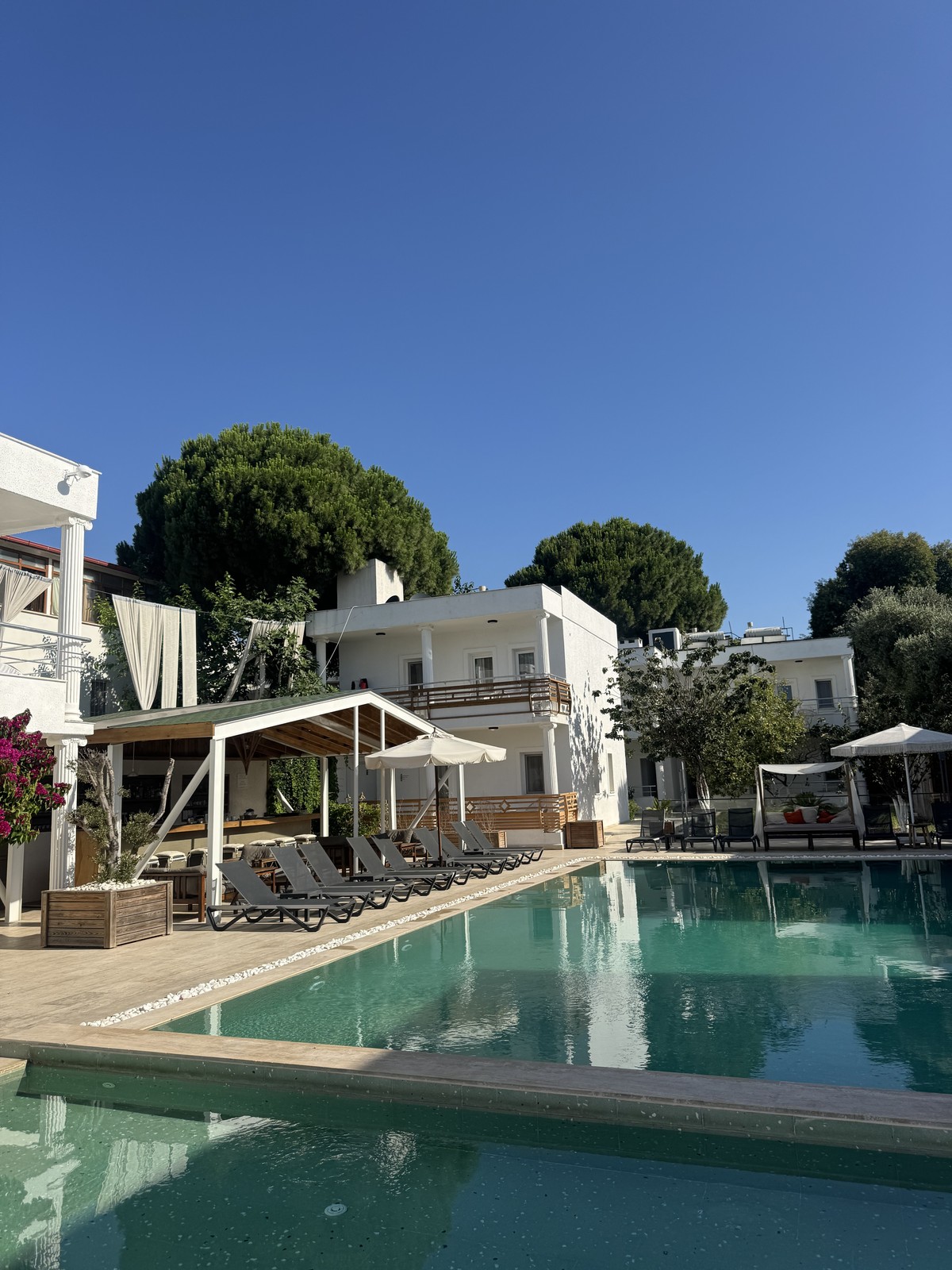
Budget for the way you'll eat and spend your days
This is the part where I'd be honest with myself. If breakfast out, a good coffee and a café by the beach are part of why you want to go, put them in the budget. Planning every day around cooking and then eating out most days won't give you a useful total.
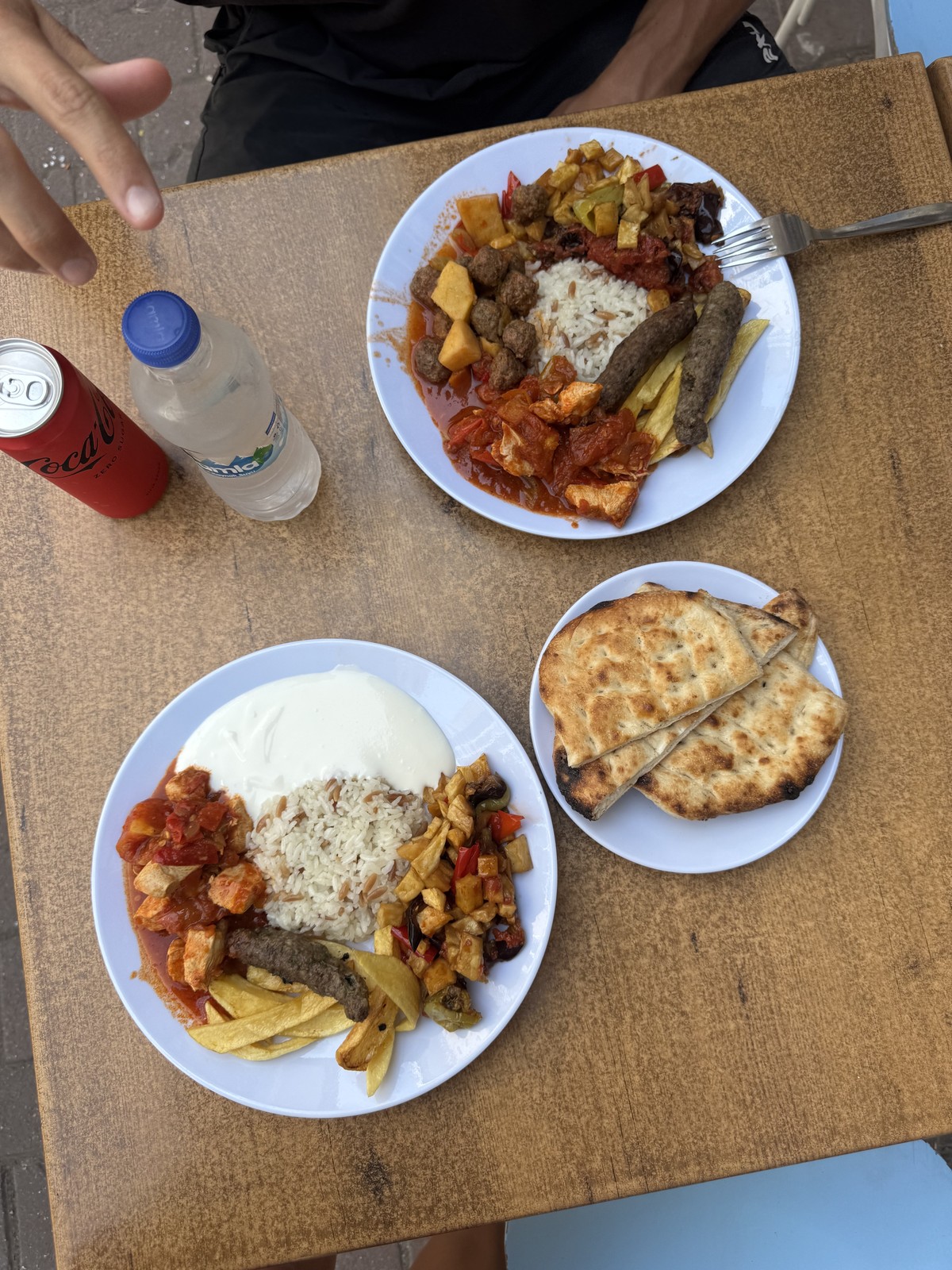
Sri Lanka was very much a café trip for us. We loved places such as Amaroo in Hikkaduwa, and food and drinks were a big part of our spending. In Budapest, groceries overtook restaurants in the recorded spending. The routine changed, so the budget changed with it.
Our Sri Lanka cost guide and Budapest cost guide give more detail on those trips. When reading any travel budget, check whether the food number is for one person or a couple, and whether accommodation and big activities sit outside it.

For your own plan, separate groceries, meals out, coffee and drinks, local transport, and the ordinary extras such as laundry. You don't need dozens of categories. You need enough detail to see which choices are making a difference.
I'd also leave space for the things you really want to do. A special café, a dinner or an attraction doesn't have to be a budgeting mistake. It becomes a problem when the plan assumes those things will never happen.

A comfortable base can be worth more than a cheap room
Da Nang is our number-one choice for a longer base. We try to spend two to three months there. The beach, good food, cafés, people and accommodation make it somewhere we love spending normal days, and we find the quality of life really affordable for what we get.
That matters when you're planning several months away. The place that looks cheapest on a comparison table might not be the place where you'd enjoy settling in. I'd rather compare the sort of life each base makes possible: where you'll eat, how you'll get around and whether the accommodation suits a longer stay.
I haven't put a monthly Da Nang figure here because we don't have a complete, checked monthly breakdown to share. Our preference is a useful starting point, but you should price your own dates and room requirements. Our guide to choosing a base while travelling goes further into that decision.

Put moving days and bigger purchases on their own lines
A quiet week in one place and a week moving between several towns won't have the same costs. For each change of base, I'd add the main ticket, transport to and from the station or airport, and any baggage or overnight stop that applies.
Check whether a travel day also needs accommodation. An overnight journey might replace a room, but don't assume it does until you've checked departure and arrival times. Equally, don't add the same ticket again inside your everyday transport allowance.
Keep bigger activities and purchases separate too. Our Türkiye spending included plenty of restaurant spending, but that doesn't turn every meal into a fixed cost for someone else's trip. Decide which experiences matter to you, price those, then allow for ordinary days around them. The Türkiye cost guide has the context behind our trip.
Before calling the plan finished, check the costs that don't fit neatly into a destination's daily spending: insurance for your circumstances, any required entry costs, phone or data, replacement essentials and bills that continue at home. These are prompts for your own circumstances, rather than a list of bills we all share.
I'd keep money available for changes as a separate line as well. Choose an amount that makes sense for your route and flexibility. A rearranged flight or an extra week away is easier to think through when you haven't treated every dollar as already spent.

Copy this long-term travel budget worksheet
Start with one currency for the working total. Keep the original currency and the date of any quote beside it, so you can revisit it before booking. Use the same approach for every base.
Here's the accommodation calculation from our Budapest booking: A$2,394.68 for the room ÷ 2 people = A$1,197.34 each, if split equally. That is only an accommodation allocation. It doesn't include food, flights, outings or anyone's other costs.
Scroll to see the full table →
| Budget line | Who does it cover? | What to calculate or check | Your amount |
|---|---|---|---|
| Accommodation | Whole room, then your share | Final booking total for the number of nights; note included fees and meals | Fill in |
| Groceries and meals out | Per person or whole group, clearly labelled | Expected spending per day × eating days | Fill in |
| Coffee, drinks and daily extras | Per person or group | Keep separate if they're a regular part of your routine | Fill in |
| Local transport | Per person or shared vehicle | Ordinary days only; exclude transfers already listed below | Fill in |
| Travel between bases | Per ticket or shared booking | Tickets, applicable baggage and transfers, counted once | Fill in |
| Activities and larger purchases | Per person or group | Each planned item, rather than multiplying it by every day | Fill in |
| Trip-wide and continuing costs | Your own circumstances | Insurance, applicable entry costs, data and any continuing bills | Fill in |
| Money kept available for changes | Your own circumstances | Keep this visible and available, separate from planned spending | Fill in |
Add the lines on a consistent basis: either the whole trip for everyone, or your own share throughout. Don't add a couple's room total to one person's meals and label the result a per-person budget.
Then check what's already paid. An accommodation payment belongs in the cost of the trip, but if you've paid it already, it isn't another payment still to make. A simple “paid” and “remaining” column can help you see both the total cost and the money you'll still need available.
Days, nights and currencies need their own check
A booking from the 1st to the 8th is seven nights. Your food and transport spending may cover eight calendar days, depending on arrival and departure. Use nights for accommodation and the actual relevant days for everyday spending.
For foreign-currency payments, check your provider's conversion rate and any applicable fees rather than assuming the amount in your planning sheet is the final card charge. I use Wise for travel money; compare the current charges for your own currency and payment before using it. Include any actual fees once, without adding a second allowance for the same charge.
Revisit the plan once you've settled in
After a few ordinary days, I'd compare what you're actually spending with the plan. Look at the room separately from meals, local transport and occasional purchases. A week containing a big activity won't tell you the same thing as a week of normal routines.
If the total is higher than you expected, start with a choice you can change: the next room, the pace of the route or how often you eat out. You don't have to squeeze every category equally. The useful question is what you'd happily change while still enjoying the trip.
If you're still deciding what to book first, our long-trip booking checklist covers that side of planning. Keep the budget alongside the route so a new stop brings its costs with it.
Watch the Budapest stay behind the example
Our Budapest vlog shows the city and the longer apartment stay behind this example. It's a travel vlog, rather than a budgeting tutorial, but it'll give you a feel for the place and the routine.
Watch Our Favourite European City?! Budapest Vlog, 10 minutes 21 seconds. For our latest full travel vlog, come along to La Paz in We Visited The Worlds Highest City, 23 minutes 32 seconds.
FAQs about budgeting for long-term travel
How much money do I need for long-term travel?
Build a total for your route, dates and travel style. Start with actual accommodation quotes, then add everyday spending, travel between places and occasional costs. A daily figure is more useful once you know who it covers and what's included.
Should a couple budget per person or together?
Either can work if you're consistent. Label shared room bills clearly, decide how you're splitting them and keep personal spending on the same basis. Don't combine a whole-room bill with one person's food spending and call it a per-person total.
Is an apartment always cheaper than a hotel?
Compare the full stay and the facilities you'll use. A kitchen or washing machine may suit a longer stay, but they won't automatically make an apartment better value. Include fees, transport and your actual eating plans in the comparison.
Can I use old travel budgets to plan a new trip?
Use them to spot cost categories and understand someone else's travel style. Check the dates, occupancy and exclusions, then get fresh quotes for your own trip. Our historical room costs are examples, rather than current prices or a minimum you should expect to spend.
How often should I review my travel budget?
I'd check after you've had a few ordinary days in a place, and again when the route or booking plans change. Separate recurring spending from big one-off purchases so an unusual day doesn't set the expectation for the whole trip.