How to Plan a Long Trip: What I'd Book Ahead and Leave Flexible

Seychelles was a very good reminder that leaving things late doesn't always give you more choice! We booked our accommodation only two days before arriving in peak season, and there weren't many options left.
Da Nang is the other side of it: somewhere we actually want to give two or three months. It's our number-one longer-term base, and I'd hate to fill a trip with so many short stops that there wasn't time for the place we'd most like to settle into.
I'd plan a long trip around both lessons. Protect the bookings that matter, but leave room for weather, slower days and enjoying somewhere beyond the things you came to see. Here's the order I'd work through, with a checklist you can copy for your own trip.
How to Plan a Long Trip: My Quick Answer
Short answer is, I wouldn't book every day, and I wouldn't leave every decision until we arrived either. I'd start with the parts that decide where we need to be, then work out which accommodation, journeys and activities depend on them.
For each booking, I'd put it in one of three groups:
Scroll to see the full table →
| Decision | What I'd put here | Before moving on |
|---|---|---|
| Secure the dates | A stay, departure or experience that the rest of the route depends on | Check availability and the exact booking terms |
| Keep options open | Something we'd like to do, with alternatives we'd also enjoy | Note the point when we'd need to decide |
| Decide closer to the day | An outing that depends on the weather or how much energy we have | Keep a realistic alternative, rather than assuming everything will be available |
That last column matters. Leaving something open still needs a little thought, particularly if losing your first choice would mean changing several other bookings.
I'd also leave some days without a list of things to do. A trip can look beautifully organised and still feel exhausting once you're the person packing your bag again!
Start With the Dates That Shape the Trip
Before choosing every hotel, I'd write down the dates that are already fixed: arrival and departure, any event we're travelling for, and the experience we'd be most disappointed to miss.
Then I'd check what that experience needs. Does it require a particular overnight stay? Can we get there from the previous stop? Do we need a night nearby before an early departure?
Patagonia is our clearest lesson here. We looked at the W Trek too late and found that the remaining camping options didn't suit the trip we could put together. We still had an incredible time using towns as bases for day hikes and trips, but earlier planning would have given us more choice.
That doesn't mean everyone needs to book the same trek, or plan around a hike at all. It means checking the thing you care about before committing to all the travel around it. If that experience isn't available, I'd rather know while the rest of the route is still easy to change.
In Morocco, our three-day Sahara tour was a different kind of commitment from the slower days on the coast. For a trip like that, I'd check the pickup and return arrangements before choosing the surrounding nights.
Our Patagonia planning guide explains how the six-night trip actually worked. For a new trip, I'd start with the experience and its practical requirements, then build outwards from there.
Book Limited Stays Before Filling the Gaps
Seychelles taught us that being relaxed about dates and having plenty of accommodation choices aren't the same thing.
We visited Mahé, Praslin and La Digue, with another stay on Mahé before leaving. All our accommodation was booked just two days out in peak season. We liked the places we ended up with, but the late booking meant there were very few options, particularly on La Digue.
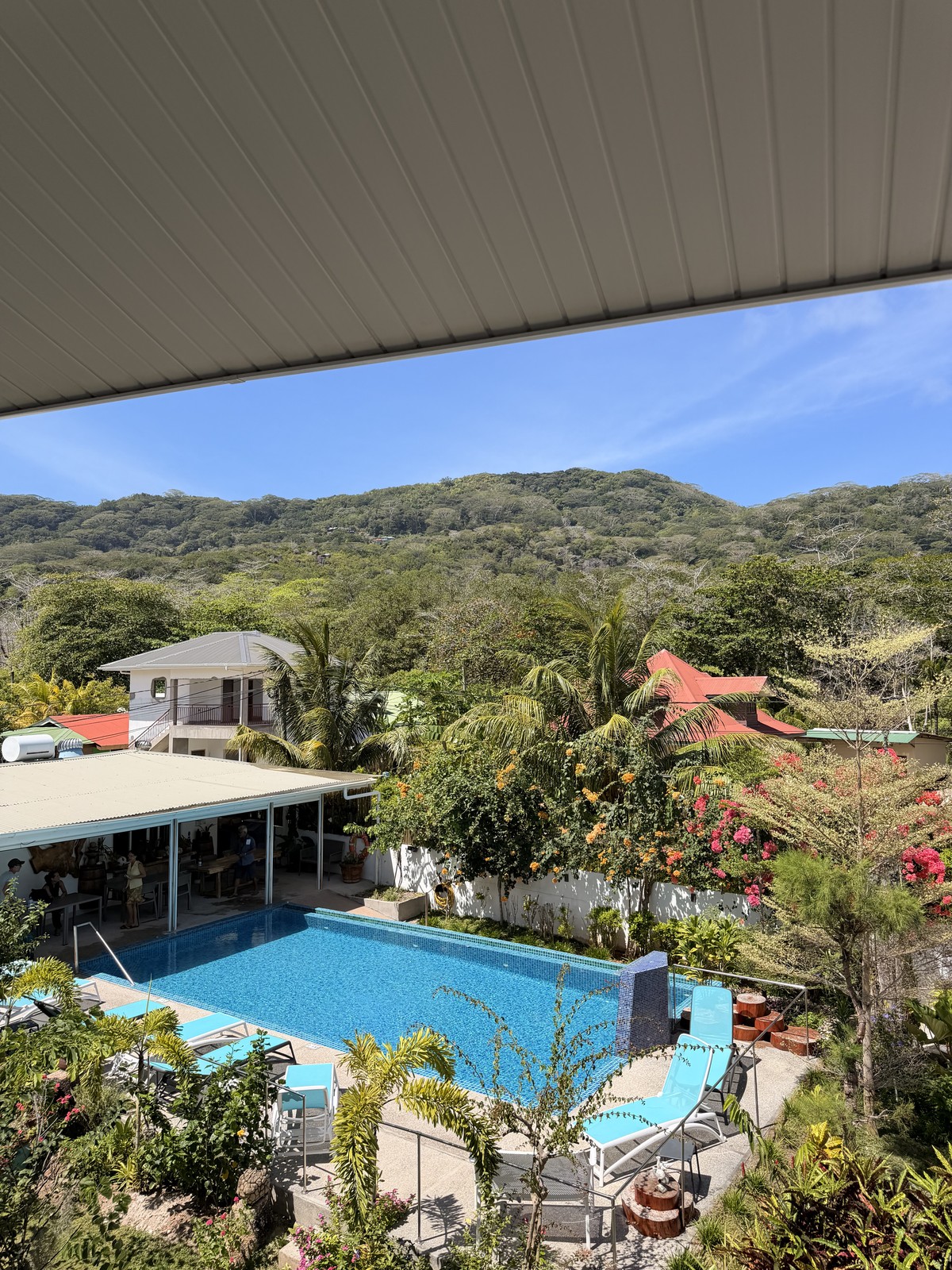
For the same island trip, I'd check La Digue accommodation early and compare its available dates with the ferry connections before fixing every other stay. Then I'd arrange the surrounding nights to fit the island order.
The important bit is to check the linked pieces before paying for something you can't easily change. A room on one island is only useful if the rest of the journey works around it.
I'd look at the accommodation's final terms as carefully as the photos: which room we're booking, what the total includes, when payment is taken and what happens if our plans change. I wouldn't assume two rates at the same property give us the same flexibility.
Our Seychelles planning guide has the full island sequence and the choices we'd make differently. This is the part I'd take into another trip: check the stay with the fewest acceptable alternatives before filling in the easier nights.
Check the Travel Between Stays Before Paying
Once the outline makes sense, I'd join the places together with actual journeys. Not a straight line on the map, but a departure, arrival and a place to sleep at the end of the day.
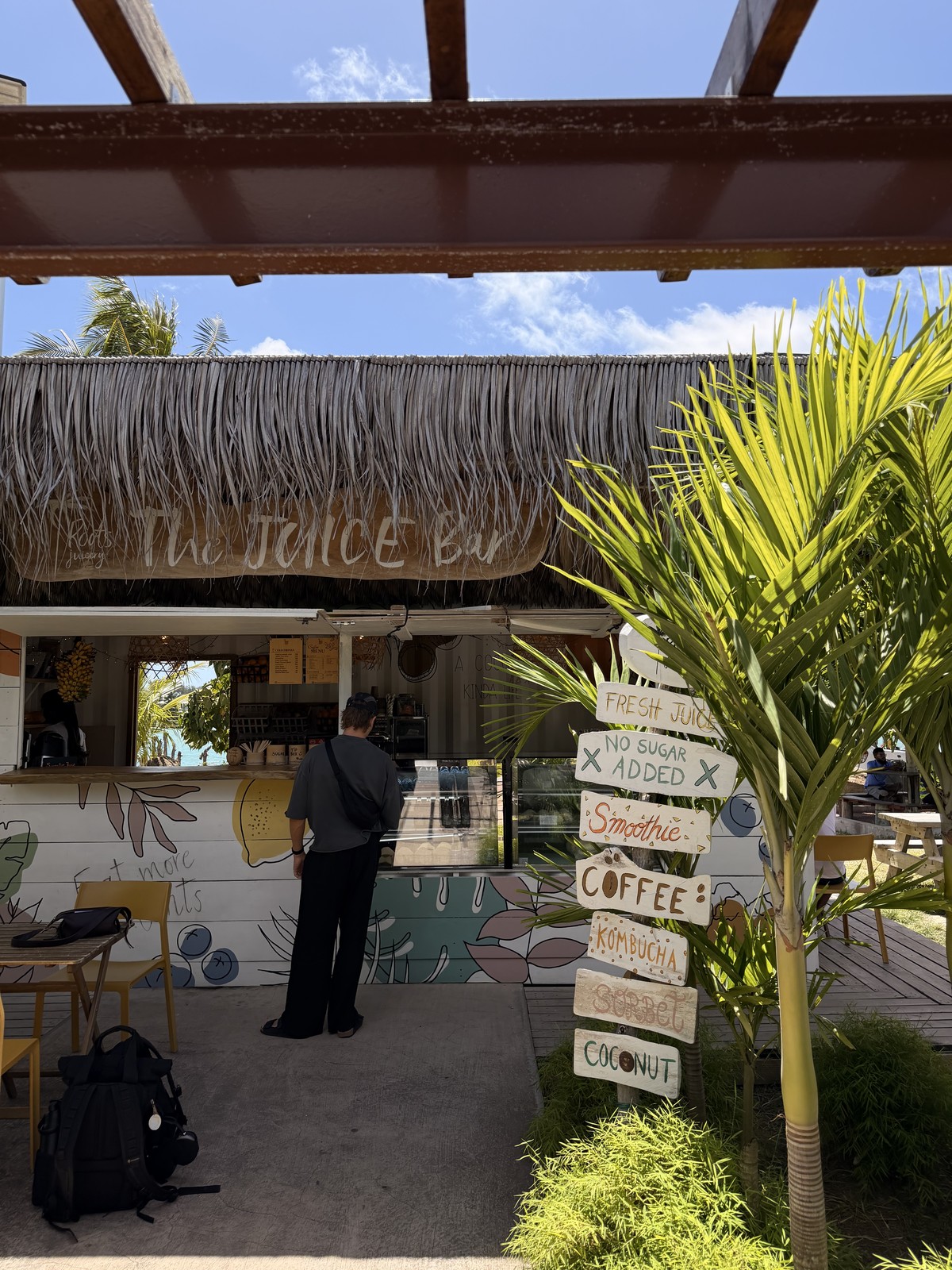
I'd check the operator's current departure information, the check-in requirements and how we'd reach the next accommodation. Those details can change, so I'd use the current service information for the dates we're considering.
In Patagonia, the 3pm bus we wanted from El Calafate to El Chaltén was sold out, and we took the 4.30pm departure instead. On the return journey, we bought tickets only minutes before leaving and got seats. Both happened on the same trip, which is why I wouldn't make a rule that buses always need booking early or that you'll always be fine buying on the day.
If a particular departure makes the rest of the day work, I'd check it while choosing the accommodation. If several departures and an extra night would all suit us, I'd have more room to decide later.
Our El Calafate to El Chaltén bus guide covers that specific journey. For the bigger trip, I'd leave enough room that a different departure doesn't immediately unravel the next two days.
Keep Weather-Dependent Days Flexible
Booking the accommodation doesn't mean deciding exactly which activity belongs on each day.
We had a beautiful clear morning for the Fitz Roy sunrise hike, then found the forecast in Torres del Paine was poor. We changed our plan from hiking to a full-day tour, booked the night before, and the towers were hidden in cloud when we went.

I'd give a place more time when one weather-dependent activity is a big reason for going. That creates a chance to move things around; it doesn't promise clear skies or guarantee that another date will be available.
Before booking the activity itself, I'd check how changes work, when we'd have to decide and whether a different day would still fit. I'd also choose something we'd enjoy if the original plan didn't happen, rather than counting on a backup we haven't looked into.
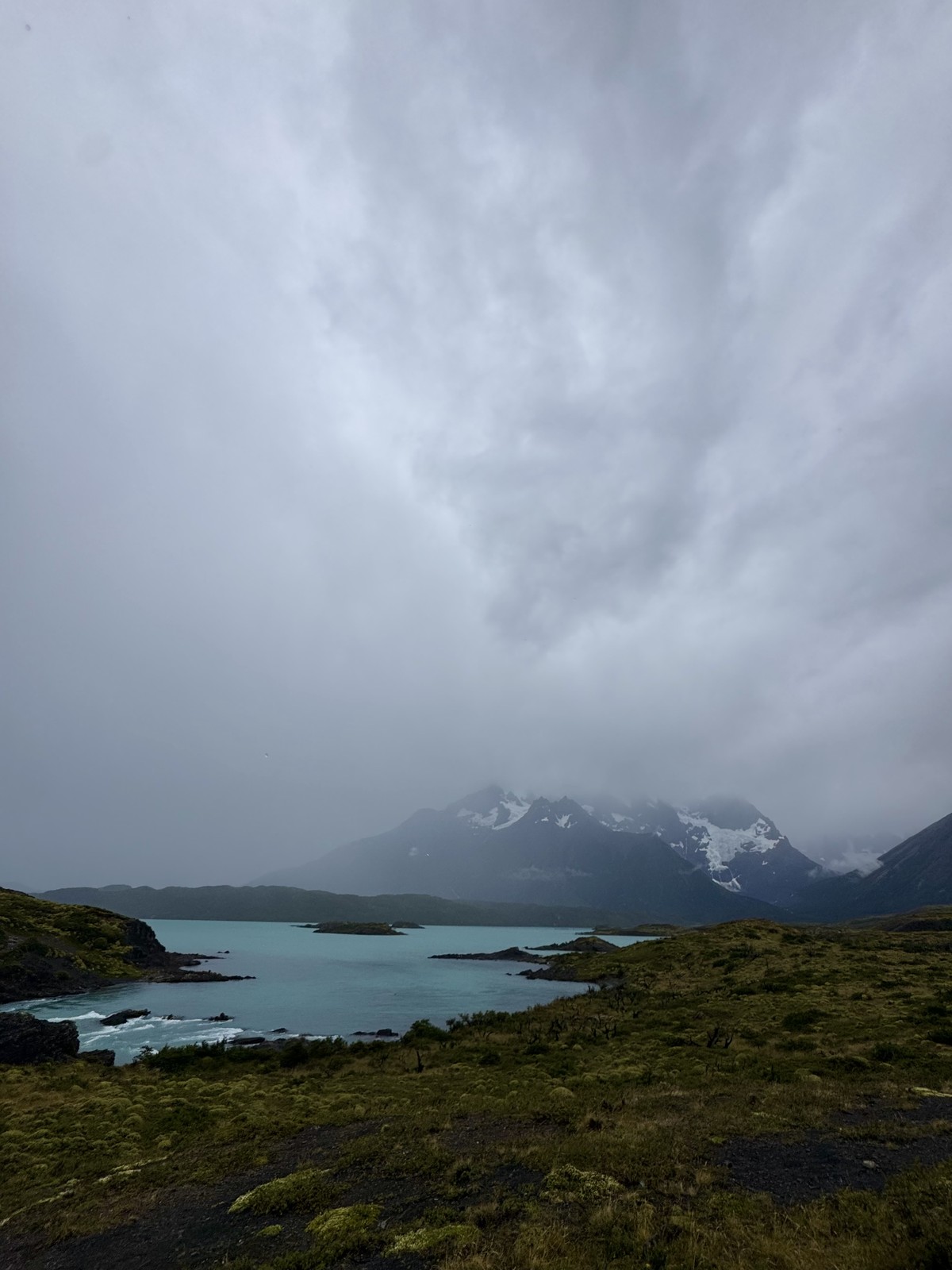
That was the lovely thing about our tour: the towers weren't visible, but we still enjoyed the day. Our Torres del Paine day-tour article shows what we actually saw. I'd keep the expectation and the booking decision separate, because paying for an outing can't choose the weather!
Give the Places You Love Time to Be a Base
I'd put slower stays into the outline deliberately, rather than hoping a few spare days appear after everything else is booked.
Da Nang is the place we'd protect time for. We try to spend two to three months there because we love the beach, food, cafés, people and accommodation, and the quality of life feels really affordable for us. It's somewhere we want to spend ordinary days, not just squeeze into a sightseeing route.
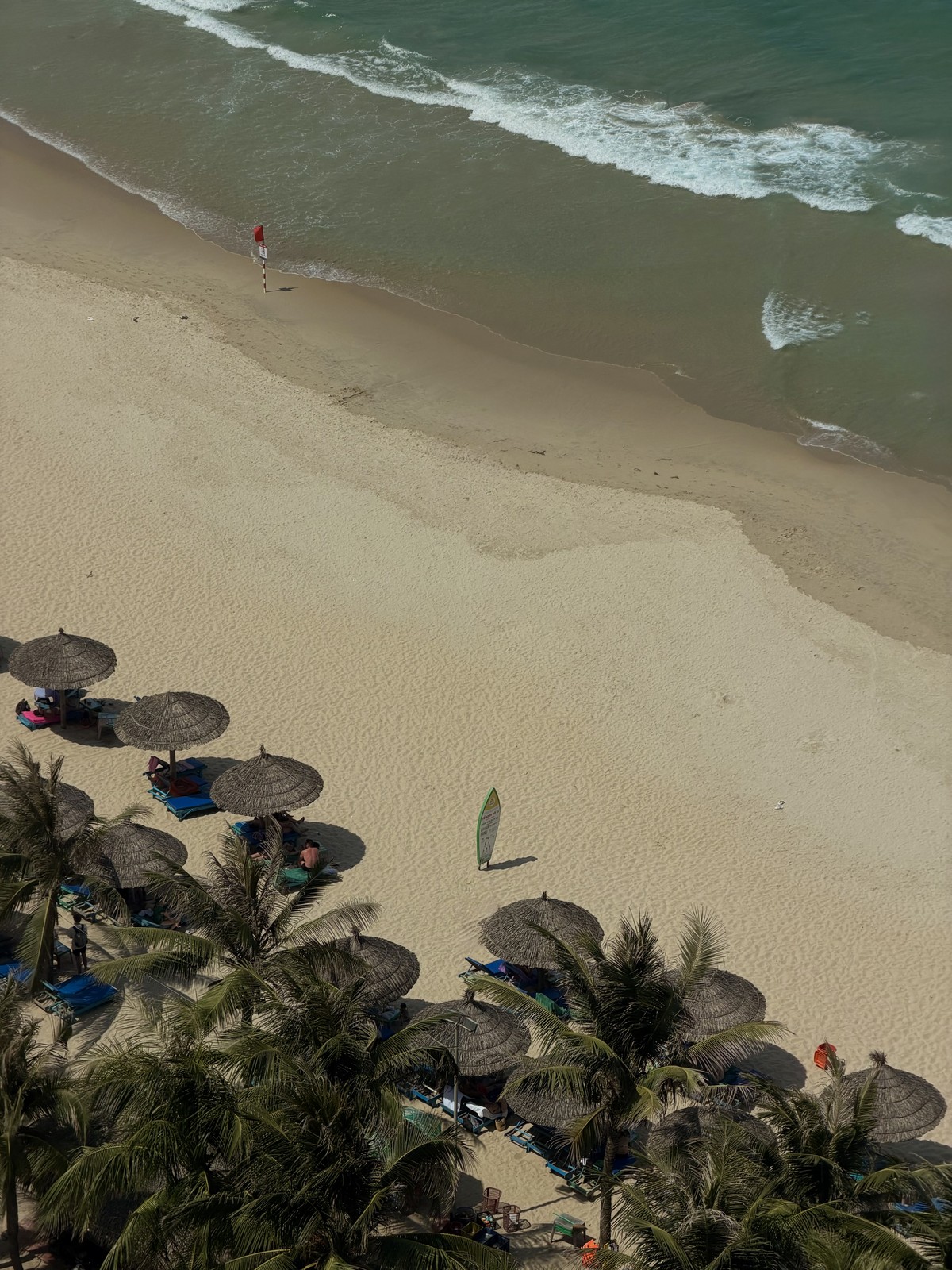
For another longer stay, I'd compare how much time we want there with the accommodation commitment. A shorter booking could leave room to change our minds, but it might also mean moving rooms, paying a different rate or finding we can't extend. I'd check those possibilities before treating an extension as an easy option.
Our guide to choosing a base while travelling goes into the room, neighbourhood and everyday-life questions. Here, the decision comes a step earlier: how much room do you want that place to have in the trip?
The Moroccan coast gave us another lovely version of slowing down. After Marrakech, we spent time in Tamraght and Taghazout, enjoying cafés, food and being by the beach. In the original vlog, I described them as two of our favourite spots in Morocco, and I can still see why people spend so long there!
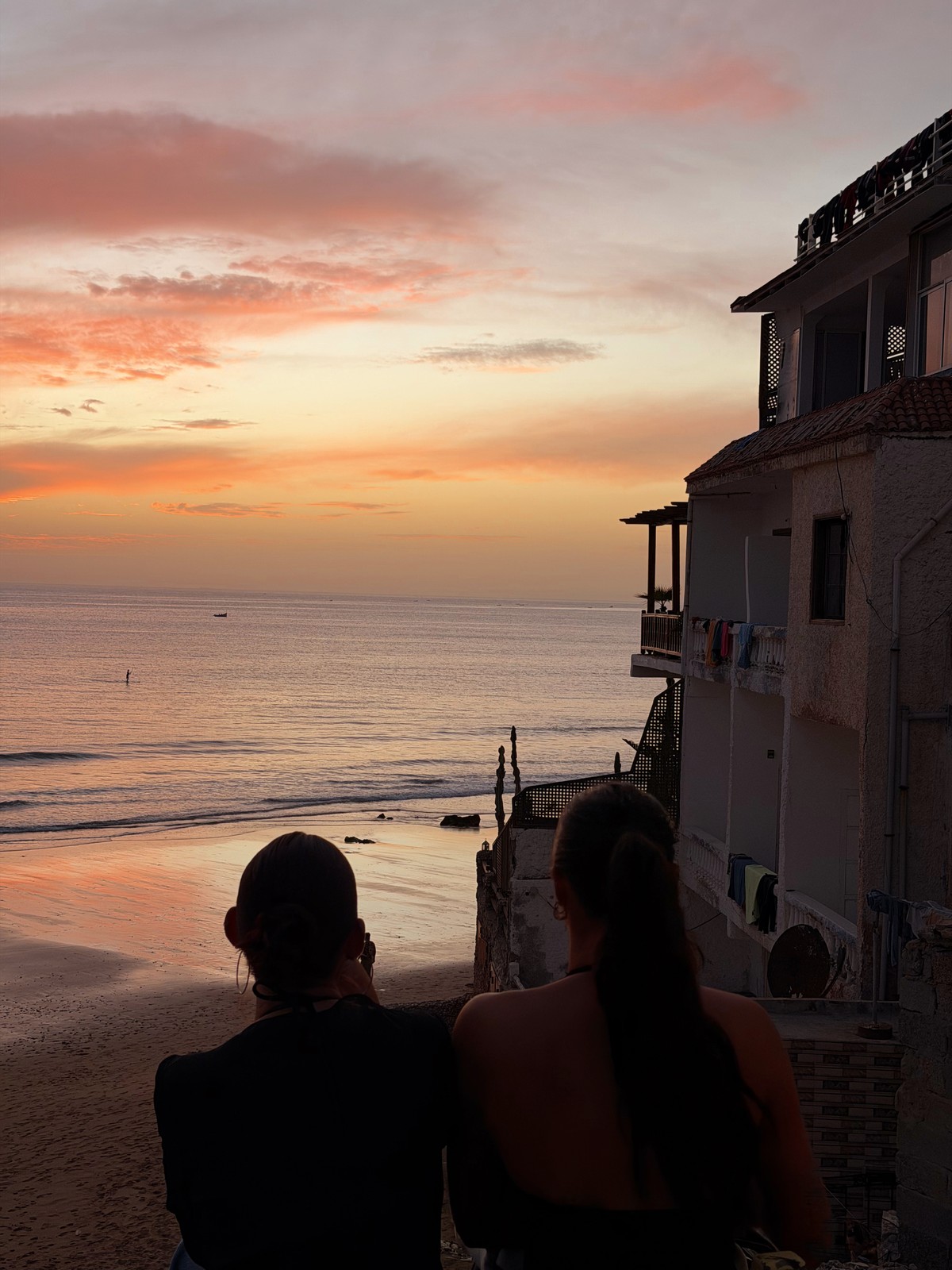
That's the space I'd want to preserve in a long trip: time to enjoy a place beyond the first outing, without automatically moving on because every following night is already committed.

You don't need to love our kind of base. Your version might be a city, a small town or somewhere close to family. I'd choose the pace you want before letting the booking list decide it for you.
Check the Full Commitment, Not Just the First Price
Before paying, I'd note the final amount and the important terms together. A lower nightly rate wouldn't settle it for me if changing the dates could mean losing more than we're comfortable with.
I'd check:
- The total for the exact dates, guests and room, including any listed extra charges.
- When the payment is due and which currency will be charged.
- The change or cancellation deadline, including the time zone it uses.
- What happens if we shorten the stay, arrive late or want to extend.
- Any separate transport or activity bookings that would also need changing.
I'd keep the conditions for the exact rate we're buying, rather than relying on a general description of the property. If an important condition isn't clear, I'd ask before paying.
When comparing amounts in different currencies, I'd also look at the actual payment method and its fees. The Wise card I use for travel is one option to compare, but I'd check the current conversion and payment details for the transaction rather than assume the first displayed price is the final cost.
A Long-Trip Booking Checklist You Can Copy
I'd copy a table like this into your own notes and complete one row for each important commitment. The point is to have the decision and its deadline beside each other, rather than a list of confirmation numbers with no room to change anything.
Scroll to see the full table →
| Part of the trip | What needs deciding? | Deadline or terms to check | If the plan changes |
|---|---|---|---|
| Arrival and first stay | Where will I sleep and how will I get there? | Arrival arrangements and the exact room conditions | A realistic alternative if arrival changes |
| Main experience | Which dates and overnight arrangements does it need? | Availability and change conditions | Another date or an outing I'd still enjoy |
| Travel between bases | Which departure works with the next stay? | Current timetable, check-in and ticket conditions | A later service or somewhere to stay |
| A longer base | How much time do I want here? | Full stay total, room availability and extension terms | A shorter stay or a different room |
| Weather-dependent outing | When would I decide which day suits? | Change deadline and current operating information | A different activity or a slower day |
For Seychelles, I'd begin with the limited island accommodation and see which connections fit. In Patagonia, I'd separate accommodation and travel from the day I'd hope to hike. For Da Nang, I'd protect time to settle before filling the route with shorter stops.
Those are different answers to the same question. What needs a decision now, and what can genuinely wait?
Watch Our Time on the Moroccan Coast
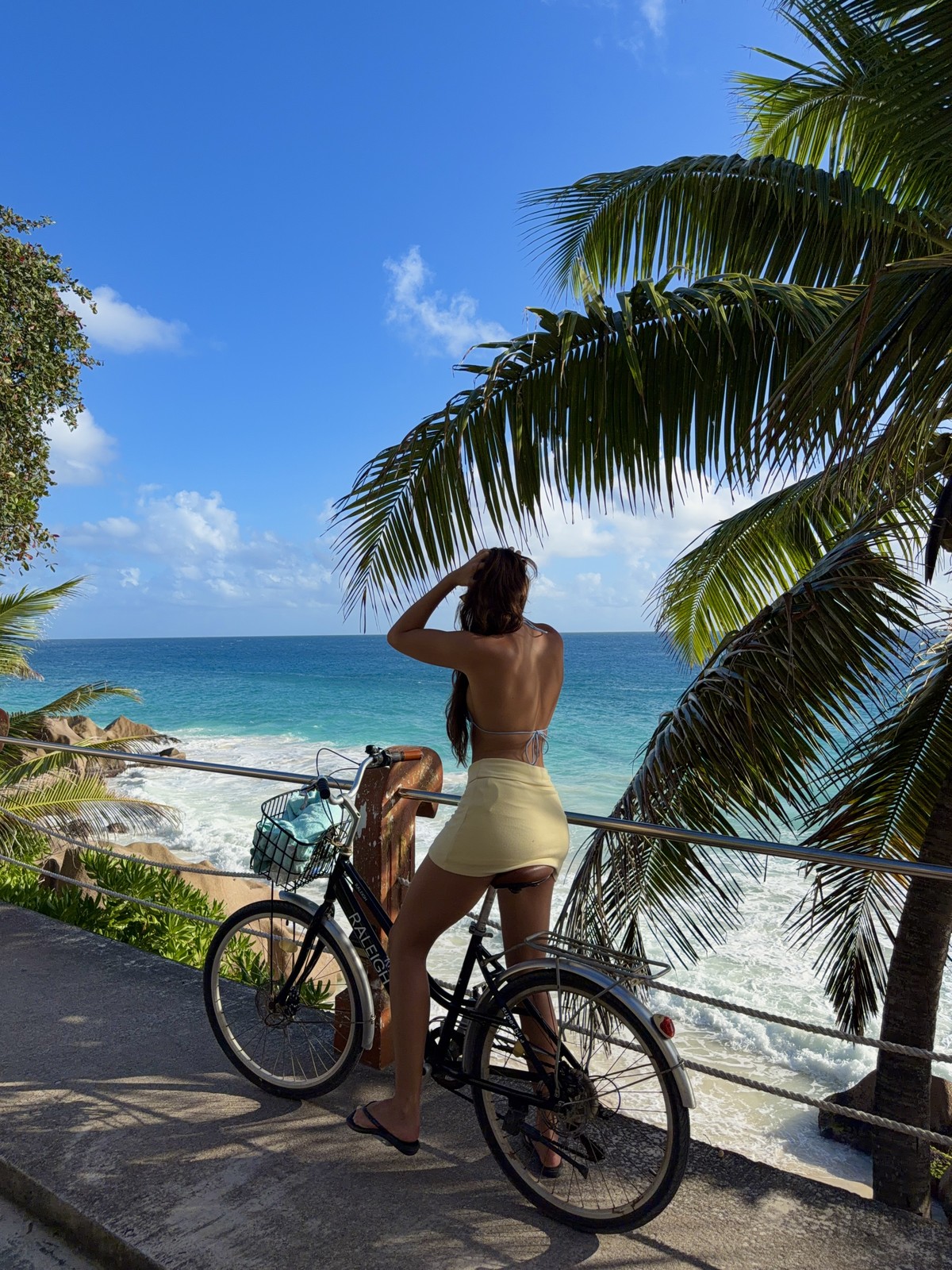
Our Taghazout and Tamraght travel vlog shows the slower coastal life behind this part of the article: cafés, food, beach time and the places we enjoyed spending our days. Come along for a look at what made us love this part of Morocco!
If you'd like to see more of our travels afterwards, our latest full-length upload is We Visited The Worlds Highest City, from La Paz. You can find more of our trips on our YouTube channel too.
FAQs About Planning a Long Trip
Should I book every hotel before a long trip?
I'd check the stays with limited alternatives first, especially when other journeys depend on their dates. I wouldn't automatically book every remaining night. Compare how much flexibility you want with the possibility of fewer room choices, a different price or needing to move.
How far ahead should I book accommodation?
There isn't one lead time I'd use for every destination. I'd check availability for the place and dates that matter, then read the exact booking conditions. Our late Seychelles bookings left us very few choices, while a longer base brings different questions about the room, total commitment and whether extending is possible.
How can I leave room for changing weather?
I'd allow more than one possible day for an important weather-dependent outing where the trip allows it, check the activity's change conditions and keep an alternative we'd enjoy. Extra time creates options but doesn't guarantee better weather or availability.
How much time should I give a longer-term base?
We try to give Da Nang two to three months because it's our favourite longer-term base. I'd choose your own time around the everyday life you want there, then compare suitable accommodation and its terms before booking. A preference for a longer stay isn't a reason to assume a room can be extended later.
Can I still travel spontaneously with some bookings made?
Yes. I'd secure the commitments that matter most and leave some outings and days undecided. The useful check is whether the open parts have alternatives you're happy with, rather than relying on everything being available at the last minute.
Final Thoughts: What Would I Book Before a Long Trip?
I'd book the parts that make the trip possible, give the places we love enough time and resist filling every gap just because there's something else we could do.
Seychelles showed us the downside of leaving limited accommodation late. Patagonia showed us why the experience, weather and travel connections need thinking about together. Da Nang reminds us that some of the best travel days are the ordinary ones, when we're happy to stay where we are.
That's the balance I'd aim for next time: enough decided to feel comfortable, with enough room left to enjoy the trip we're actually having!