17 Egypt Travel Tips We Wish We Knew Before Our First Trip
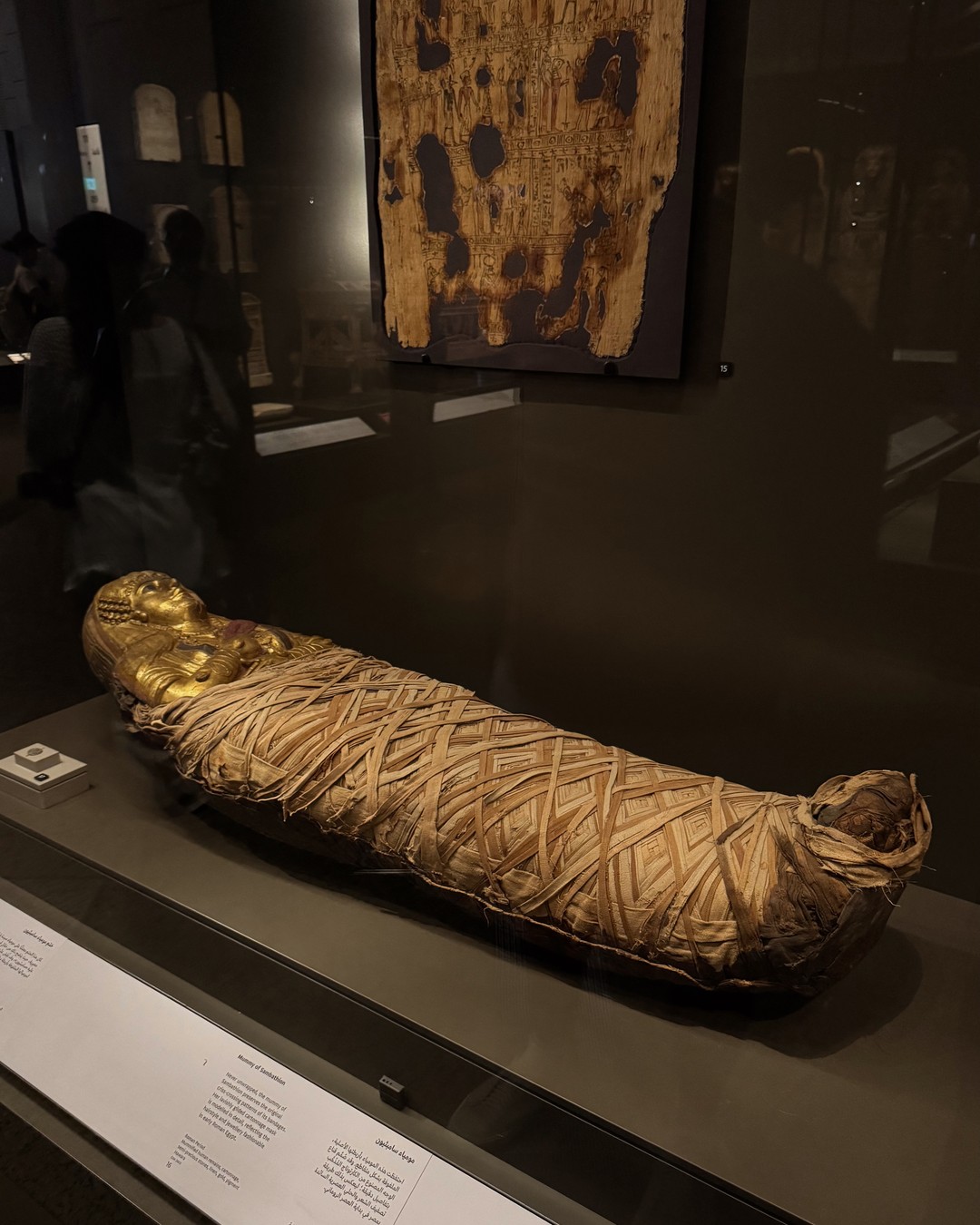
Egypt is one of the most unforgettable countries we have travelled through, but it is also a place where a little preparation makes a massive difference. After 15 days travelling from Giza and Siwa Oasis to Luxor, Hurghada and Dahab, our biggest advice is to carry cash and a backup card, install your eSIM before landing, book an Egyptologist for the major ancient sites and leave far more time for travel days than the map suggests.
We loved Egypt. The history is almost impossible to comprehend, the food got better as the trip went on and Dahab completely stole our hearts. We also had an ATM swallow one of our cards, booked a domestic flight a day before travelling and accidentally arrived at Hatshepsut on the same day as what felt like every cruise group in Luxor. These are the Egypt travel tips I genuinely wish someone had given us before our first trip.
Before you fly to Egypt
1. Check the current Egypt visa rules for your passport
Most visitors need a visa, but the correct option depends on your passport and route. We travelled on Australian passports and found getting our tourist visas on arrival incredibly fast and easy. I would still check the official Egyptian e-Visa portal before flying because eligibility, fees and entry requirements can change.
The official portal currently asks e-Visa travellers to arrive with a passport valid for at least six months, a printed e-Visa, an itinerary and accommodation details. Even if you choose a visa on arrival, keep your first stay and onward plans somewhere you can access without internet.
2. October was a brilliant time for our route
We travelled in October and found it ideal for sightseeing, desert days and the Red Sea. It was still hot, especially inside the Valley of the Kings, but we could spend full days outside without dealing with the most extreme summer temperatures.
The official Experience Egypt practical guide describes May to October as hot and dry, with milder winter weather from November to April. For a route heavy on Cairo, Luxor and outdoor archaeological sites, I would personally aim for October to April and still plan the exposed sights early.
3. Pack light layers, linen and a scarf
Egypt is conservative, and I felt far more comfortable when my shoulders and knees were covered in cities and at historic or religious sites. I mostly wore loose linen, flowy skirts and T-shirts. Coastal places such as Hurghada and Dahab felt more relaxed, but I still covered up when we left the beach.
My most useful purchase was an Egyptian cotton scarf. I could throw it over my head or shoulders when needed, and it actually worked with the outfits I had packed. Add comfortable shoes, sunscreen, sunglasses and a hat because many of the major sites have very little shade.
4. Check travel advice again just before departure
We personally felt safe throughout the places on our route, including Giza, Siwa, Luxor, Hurghada and Dahab. That is our experience, not a promise that every part of Egypt has the same conditions. Regional advice can change quickly, so Australian travellers should check Smartraveller's current Egypt advice before booking and again before travelling.
Money, ATMs and staying connected
5. Egypt still runs heavily on cash
Cards are increasingly useful at hotels, restaurants and major attractions, but we used Egyptian pounds constantly for drivers, small shops, local transport and everyday purchases. The official tourism guidance also recommends carrying local cash, particularly for taxis and smaller businesses.
Keep smaller notes whenever you can. They make local rides, small purchases and tips much simpler. Our full Egypt travel cost breakdown separates every recorded expense from our 15 days if you want a realistic budget rather than a generic daily estimate.
6. Carry a backup card because an ATM ate ours
This was the lesson we learned the hard way. We arrived in Siwa needing cash for our driver, inserted our Australian card into an ATM and never got it back. The bank was closed, the machine did not return it and we were suddenly down one card in a remote oasis.
After that, we looked for ATMs with a working contactless option so we could tap rather than insert. I would carry at least two cards in separate places, withdraw before heading somewhere remote and avoid leaving a cash run until you urgently need to pay someone. I use the Wise card for travel money, but the most important part here is having a backup that is not sitting beside your main card.
7. Install your eSIM before you land
Hotel Wi-Fi was patchy enough that we relied on mobile data and hotspotting far more than expected. Siwa was the weakest point, where both Wi-Fi and phone signal could be slow or disappear entirely.
I use this eSIM when we travel and have used it on a few trips now. Install and activate it before touching down so you can message your accommodation or request a ride immediately. I would also download offline maps before the drive to Siwa.
Getting around Egypt
8. Uber is useful in Cairo and Giza, but not everywhere
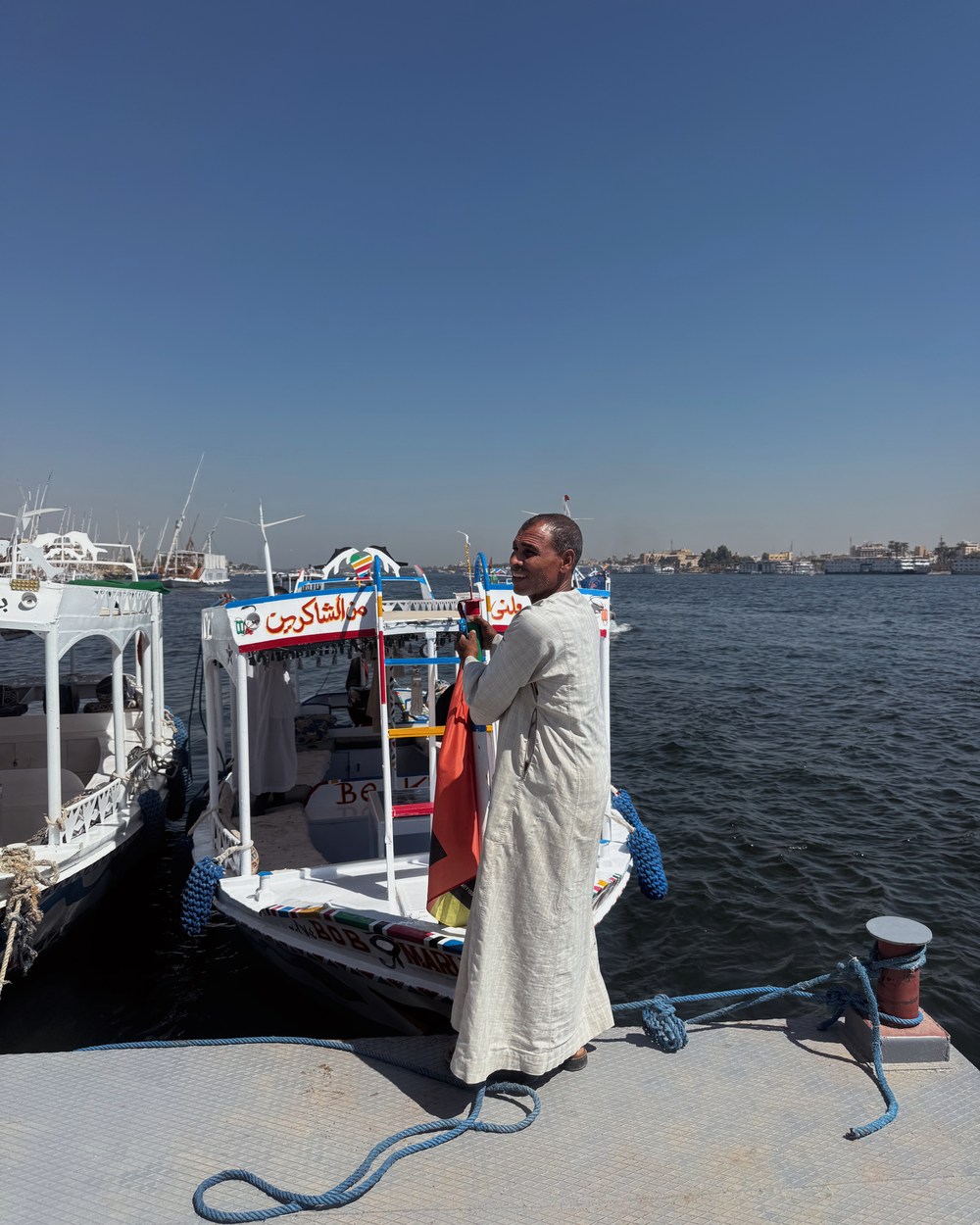
Uber made Cairo and Giza much easier. We could see the route and price in the app instead of negotiating every ride, including our very late airport arrival. Outside the main cities, transport becomes more informal. In Dahab, local drivers offered rides and we paid cash. In Luxor, we used the little passenger boats to cross the Nile.
For traditional taxis, agree on the price or confirm that the meter is running before leaving. Screenshot addresses in Arabic and keep enough cash for the ride in case the driver's connection is poor.
9. Egypt travel days take longer than they look
The distances in Egypt are real. Giza to Siwa took us around eight to nine hours by private driver. Luxor to Hurghada was around four hours, while Hurghada to Dahab took roughly nine. Add checkpoints, rest stops and city traffic, then avoid planning a major activity immediately after arrival.
We also booked our Cairo to Luxor flight only a day before travelling and paid for that lack of planning. Domestic flights can save enormous amounts of time, but book them earlier than we did and still keep the day around them flexible.
10. Choose your base for the experience you want
Giza and Cairo look close on a map, but traffic changes the decision. Stay in Giza if the pyramids and Grand Egyptian Museum are the focus, then move to Cairo for markets, restaurants and city life. Our Cairo or Giza comparison explains the two-night split I would book.
We stayed in an Airbnb with pyramid views. If I were booking a hotel for that part of the trip now, The Stay Pyramids Inn is the one I would compare for a terrace facing the pyramids. For central Cairo, Swiss Hotel Cairo Downtown is the option I would compare if city sights matter more than waking up beside the plateau.
In Luxor, we loved the quiet West Bank and crossed the Nile by local boat when we wanted the East Bank restaurants. It was slower than staying in the city centre, but it suited how we travel far better. Our Luxor West Bank guide covers who should stay on each side.
Sightseeing without exhausting yourself
11. Do not combine the pyramids and Grand Egyptian Museum in one day
Split them across separate days if your itinerary allows it. We spent one day at the Grand Egyptian Museum and another with our Egyptologist at the pyramids and Sphinx. Both deserve time, and trying to race through them together would turn two incredible experiences into one exhausting checklist.
The Giza Plateau entrance was hectic, but the scams we had worried about were barely an issue once we were with our guide. She handled the logistics, explained what we were looking at and even helped us find the traditional foods we had asked to try afterwards.
This is the private Pyramids and Great Sphinx tour we booked. Ask whether Rose is available. We skipped the camel and horse rides because the animals we saw did not look healthy, but the private transport and Egyptologist were worth every dollar.
12. An Egyptologist is worth paying for
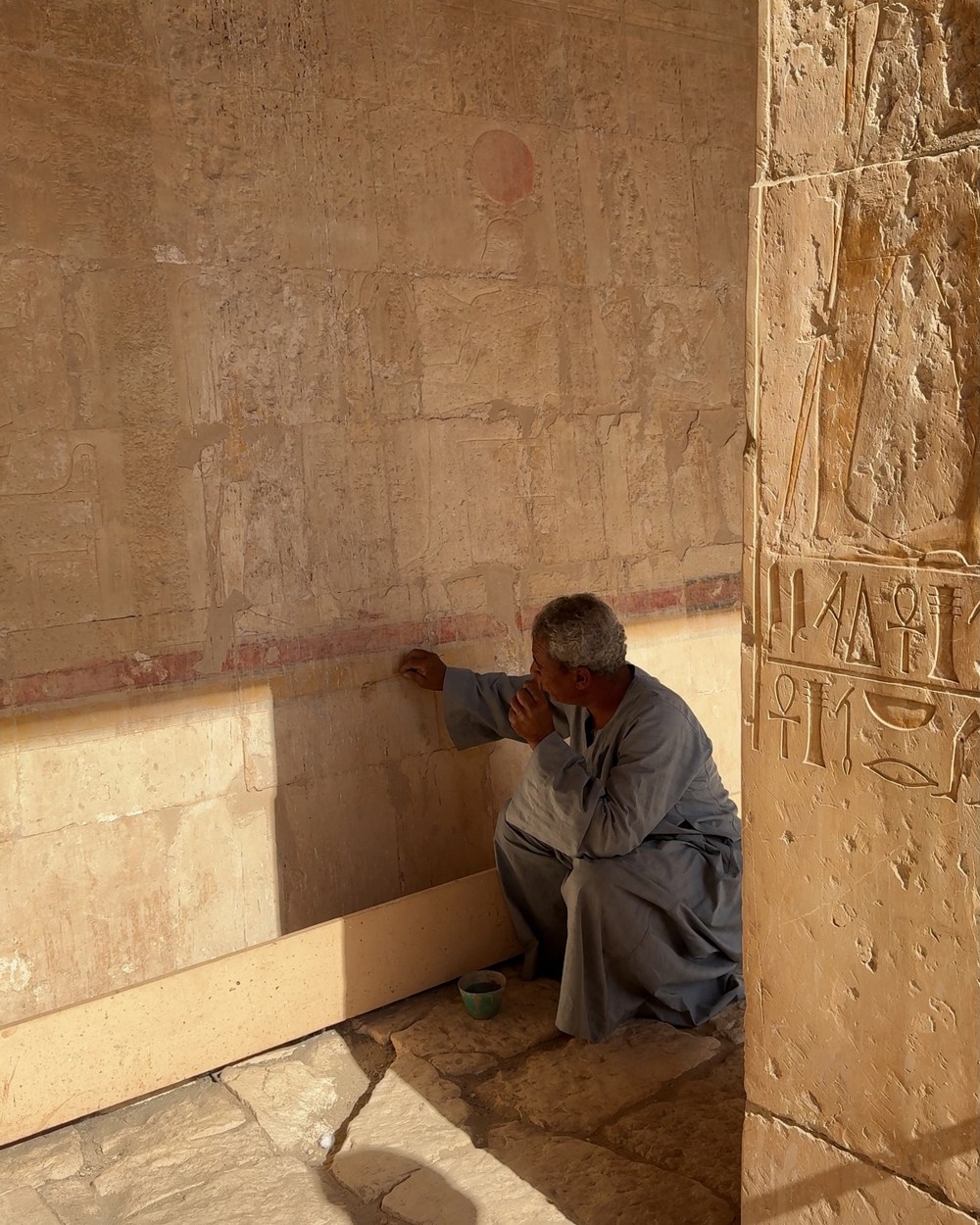
Egypt's temples and tombs are visually incredible, but the stories carved into the walls are what made them unforgettable. At Hatshepsut and the Valley of the Kings, our Egyptologist explained the scenes, names and rituals we would otherwise have walked past.
You do not need a guide for every hour of the trip. I would spend the money on the history-heavy days, especially the pyramids and Luxor's West Bank, then explore places such as the Grand Egyptian Museum more slowly on your own.
13. Start Luxor's outdoor sites earlier than we did
We reached Hatshepsut on a day when huge cruise groups arrived at the same time. It was still amazing, but an earlier start or a different day would have made it far calmer. The tombs at the Valley of the Kings also became incredibly hot and humid, even in October.
Check the opening times, ask your guide about expected cruise traffic and carry more water than you think you need. An electric hand fan would not be the most glamorous thing in the suitcase, but I would have paid good money for one underground.
14. Leave space for a Nile experience
One of the things I would change is giving ourselves enough time for a multi-day Nile cruise. We fitted in local boats and a felucca-style experience around Luxor, but not the full journey.
If I were rebuilding the route now, this four-day Nile cruise from Aswan to Luxor is the one I would compare. Check the exact entrance-fee inclusions for your selected option before booking.
The less obvious Egypt travel tips
15. Do not make every day a history day
Egypt's ancient sites are the reason many people book the trip, but doing temples, tombs and museums without a break becomes a lot. Our route worked because Siwa slowed everything down after Giza, then Hurghada and Dahab gave us the Red Sea after Luxor.
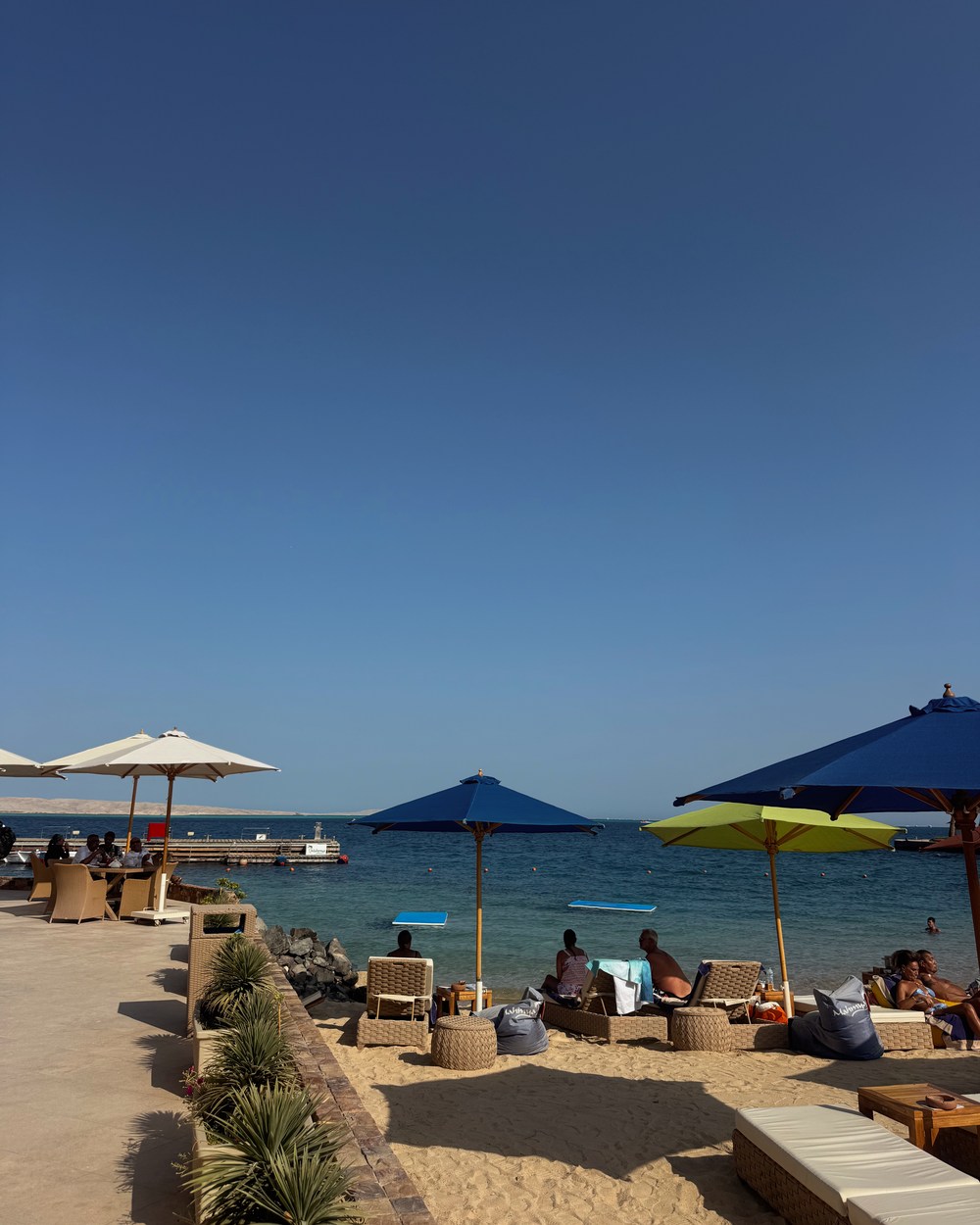
Hurghada is better for resort-style boat days and organised water activities. Dahab is more relaxed, walkable and food-focused. Our Dahab or Hurghada comparison explains why Dahab is the one we would return to, even though Hurghada gave us the better boat day.
16. Egypt's food deserves more attention
We expected the history to be the highlight, but some of the meals became equally memorable. In Giza we asked our guide to take us for koshari and hawawshi. In Luxor we ate at a family-run restaurant where ingredients were grown on the property. In Dahab, Zanooba slow-cooked our dinner for the entire day after we ordered that morning.
We also booked Airbnbs with kitchens and cooked some breakfasts ourselves. Travelling full time means we are not in holiday mode every day. Cooking gives us a little home normality, keeps the trip sustainable and leaves more room to enjoy the restaurants that genuinely feel special.
17. Leave room to stay longer somewhere you love
Our route covered a lot in 15 days, but it was intense. We would give Siwa three nights instead of two, Hurghada at least three and Dahab at least three. Our friends loved the Dahab apartment so much that they extended after we left, and we completely understood why.
Use the 15 day Egypt itinerary as a starting point rather than a rulebook. If your trip is shorter, remove a destination instead of turning every transfer into an overnight sprint. If you have more time, slow the route down and add the Nile cruise we missed.
Watch the beginning of our Egypt trip
Our Giza vlog shows the pyramid-view arrival, Grand Egyptian Museum and the exact private tour that made the plateau so much easier.
Watch our 72 Hours in Giza vlog on YouTube or subscribe to Ell's Passport for the rest of our Egypt trip.
Frequently asked questions
What should I know before travelling to Egypt for the first time?
Carry Egyptian cash and a backup card, install mobile data before landing, dress modestly away from beach resorts, allow generous travel buffers and book an Egyptologist for the major ancient sites.
Is cash or card better in Egypt?
Carry both. Cards are useful at larger hotels, restaurants and attractions, while cash remains important for drivers, small shops, local boats and everyday purchases.
Did we feel safe travelling around Egypt?
We personally felt safe throughout our 15-day route, but conditions vary by region and can change. Check your government's current travel advice before departure.
Do you need a guide in Egypt?
Not everywhere. We found an Egyptologist most valuable at the pyramids, temples and tombs, where understanding the history completely changed the experience.
What is the best time to visit Egypt?
For a sightseeing-heavy route, October to April generally offers more manageable temperatures. We travelled in October and found it warm, sunny and well suited to our mix of cities, desert and coast.
Want your Egypt itinerary planned in a couple of clicks?
Pick the places you want, and it lays the days out from everywhere we actually went.
- Two lengths, a week or the full twelve days
- Only places we actually went, never a generic list
- Every drive and internal flight worked out for you
- Share it to your notes or send it to whoever you are travelling with