Best Time to Visit Seychelles: What August Is Really Like, and When We Would Go Instead
We went to Seychelles in August, and about halfway through the trip I found out that August is their windiest month of the entire year.
Nobody had told us that! We had come across from Tanzania, we were already close, and honestly we booked the whole thing so last minute that there was not a lot of deciding involved. So this article is not me pretending I planned the perfect month, because I did not. It is me telling you what twelve days in the windy season is genuinely like, which is a thing almost nobody writes about, because most Seychelles content is written by people selling you a resort in the calm season.
Here is the short version before I get into it. We swam almost every single day and the beaches were unbelievable! But we also lost a morning to rain, ate the most expensive meal of our trip sitting indoors because it was too windy to sit outside, and stood on one beach where the locals were telling people not to swim at all.
None of that was luck, either way. There is a pattern to it, and once I understood the pattern the whole trip suddenly made complete sense!
In this guide I will tell you exactly what August was like day to day, the one rule about choosing beaches that changes everything in the windy season, the two days the weather actually cost us, when we would go instead if we were flying a long way, and what the season does and does not change about what it costs.
Best Time to Visit Seychelles, My Quick Answer
If you are flying a long way, go in April or October. Those are the two changeover months between the two wind seasons, when the sea is calmest on every coast at once, and they are the months that came up again and again when I went back and read properly about the climate afterwards. I have not been in either, so I am giving you that as research rather than as experience, and I will keep flagging which is which the whole way through.
If you are already nearby, or your dates are fixed, August is absolutely still worth it. We had the most wonderful time! You just need to choose your beaches differently, and I will show you how.
What August Was Actually Like, Because We Were There
We landed on Mahé at six in the morning on 2 August and flew out on the 13th, so twelve days across Mahé, Praslin and La Digue. This is the part I can speak to properly.
It was not a washout, and it was not perfect either. It was mixed, and honestly the mix was far more interesting than a fortnight of postcard weather would have been!
Ellen said it best on camera near the end of the trip, and I want to quote her properly rather than paraphrase her into something tidier:
"This time of the year is their windiest time of year, so that is something to keep in mind. We have been really lucky to be honest, with some days that have been a little bit rainy and windy, but most of the time the beaches that we've been to have been protected. It can be a little bit risky coming at this time of year."
Two things in there matter. The first is that we were lucky. The second is that word protected, because that is not luck at all, and it took me until we got home and read about it properly to understand why.
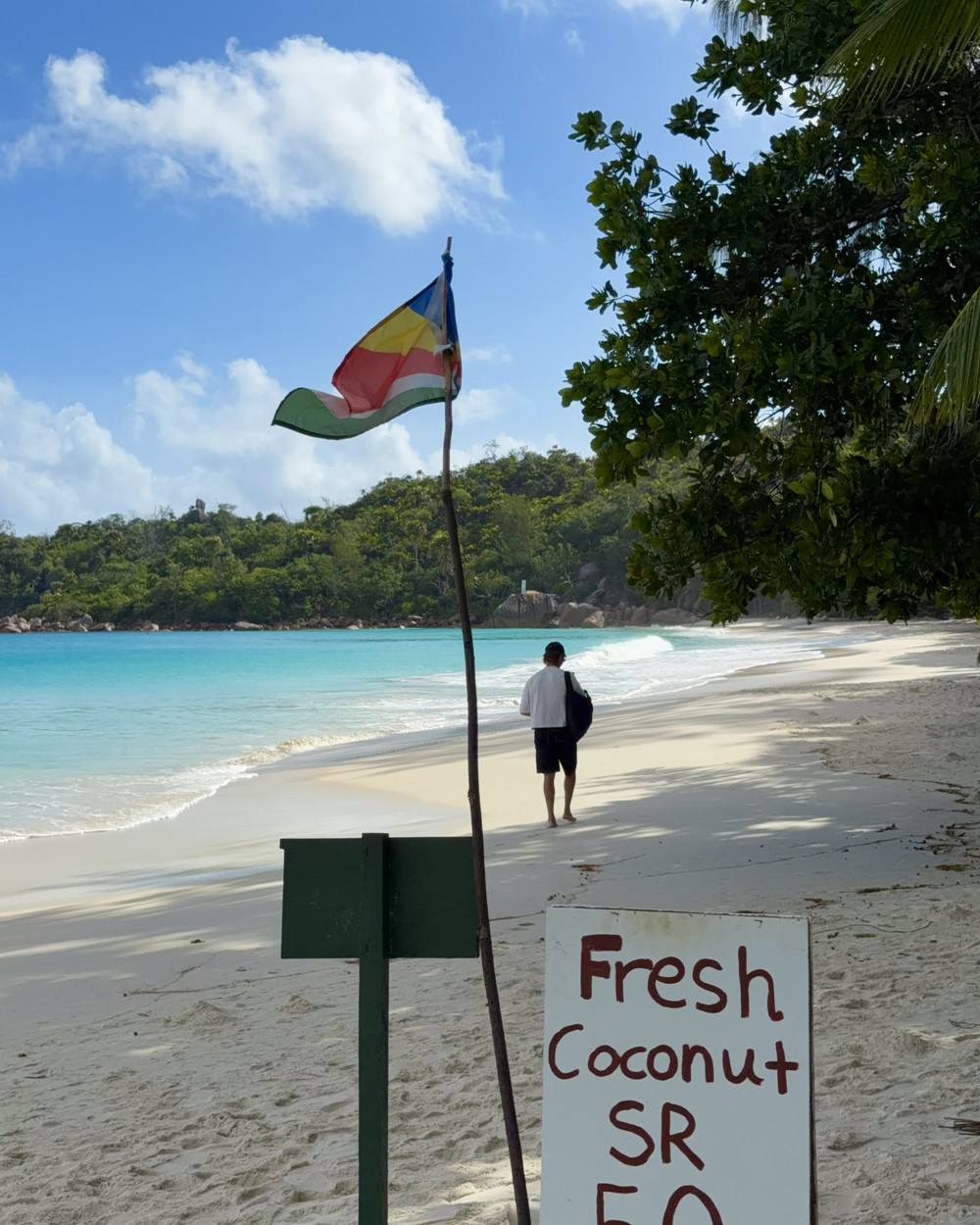
Look at that photo for a second, because it is the whole article! The flag is standing straight out, so the wind is genuinely strong. And the water underneath it is completely flat.
That is not a calm day. That is a windy day on the right beach, and that difference is everything!
Pick Your Beach by Which Way It Faces
This is the single most useful thing I can tell you about coming in the windy half of the year, and I have not seen anybody put it this plainly.
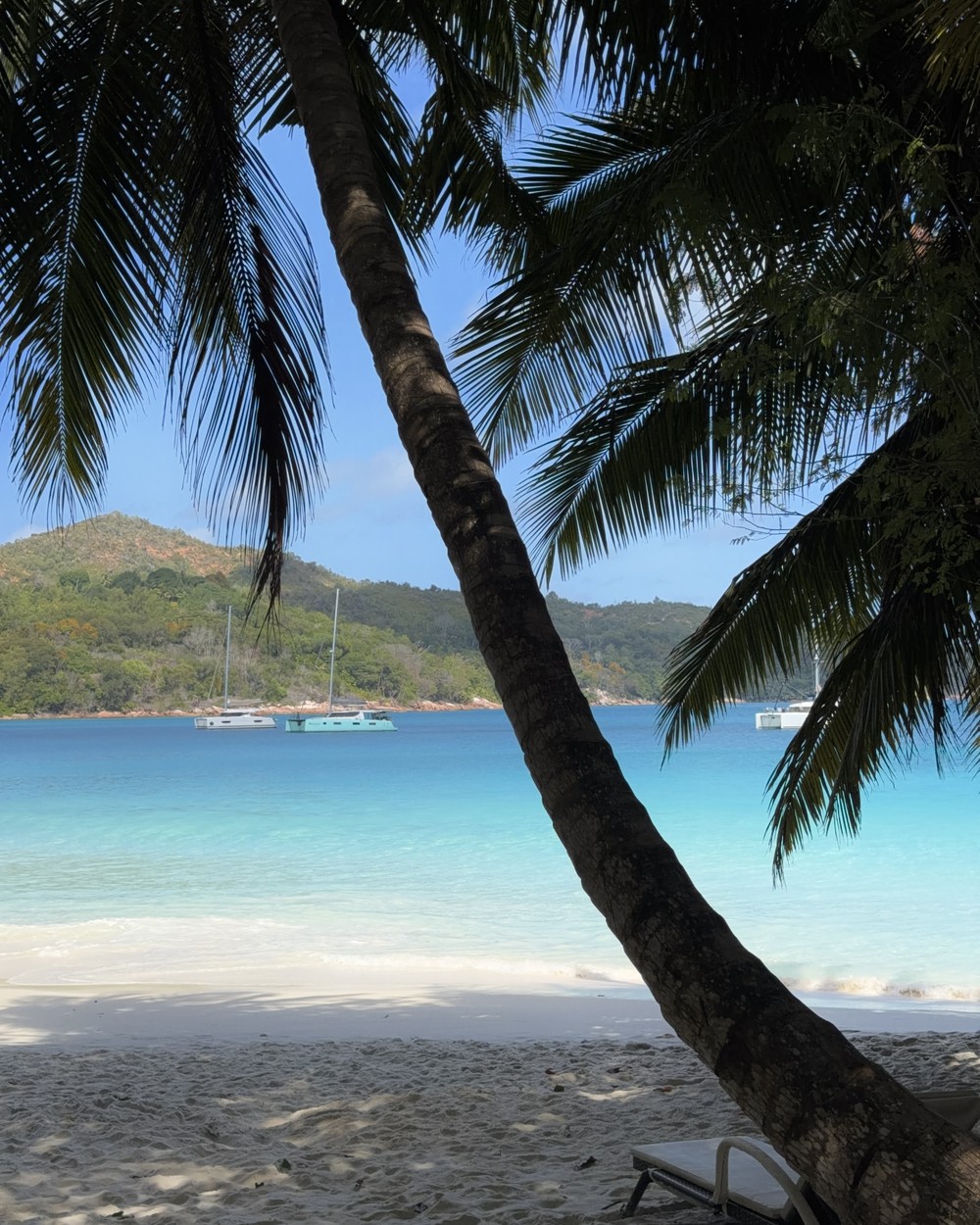
Here is the mechanism, and this part is research rather than something we worked out on the sand. From roughly May to September the southeast trade winds blow across Seychelles, hard and consistently. That means beaches facing south and east cop the wind and the swell head on, and beaches facing north and west sit in the shelter behind the islands. From about November to March the winds come from the northwest instead and the whole thing flips.
Now here is our half of it, which is not research. This is just where we went and what we found.
Scroll to see the full table →
| Beach | Island | What we found in August |
|---|---|---|
| Beau Vallon | Mahé | Flat every single time, no matter the weather or the hour |
| Anse Lazio | Praslin | Calm, and the best swimming of the whole trip |
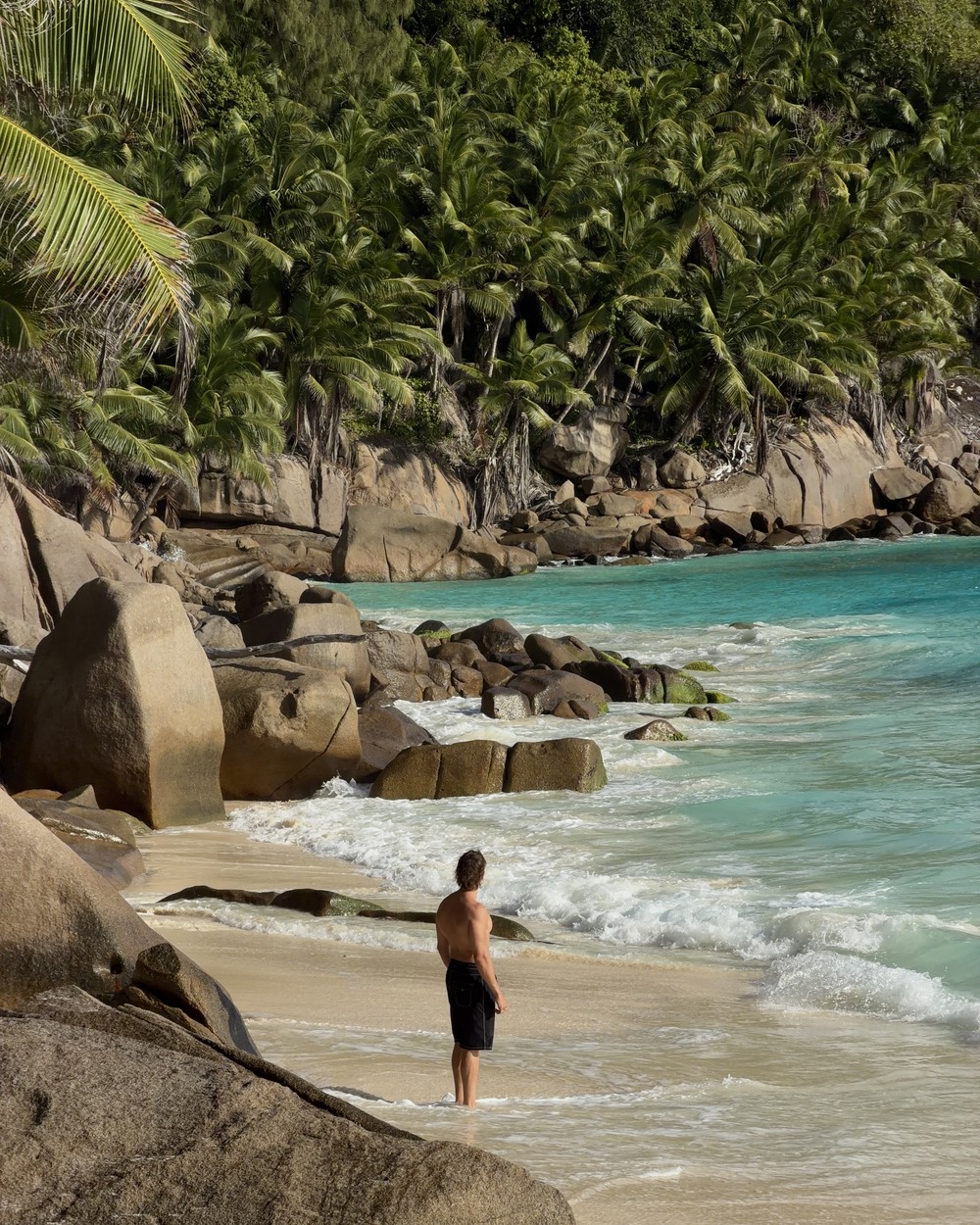
| Petite Anse | Mahé | Sheltered, gorgeous, and we had it almost to ourselves |
| Anse Intendance | Mahé | Big surf breaking on the sand. Stunning, but we did not swim |
| Grand Anse | La Digue | Locals were actively telling people not to swim |
Ellen's own note on Beau Vallon, written the day we were there, is the clearest description of a protected beach I could give you: "One of our favourites in the whole of the Seychelles just because it is so swimmable, it's always flat. No matter what time of the day you come, no matter the weather, it's always flat because it's protected, it's a little cove, but it's a long stretch of beach."
And Grand Anse on La Digue is the exact opposite, in her words: "This time of the year that side of the island is really really choppy. Huge current, so not many people swam." Daniel filmed a local pointing at the swell and, in his words, "they're actually saying not to swim there."
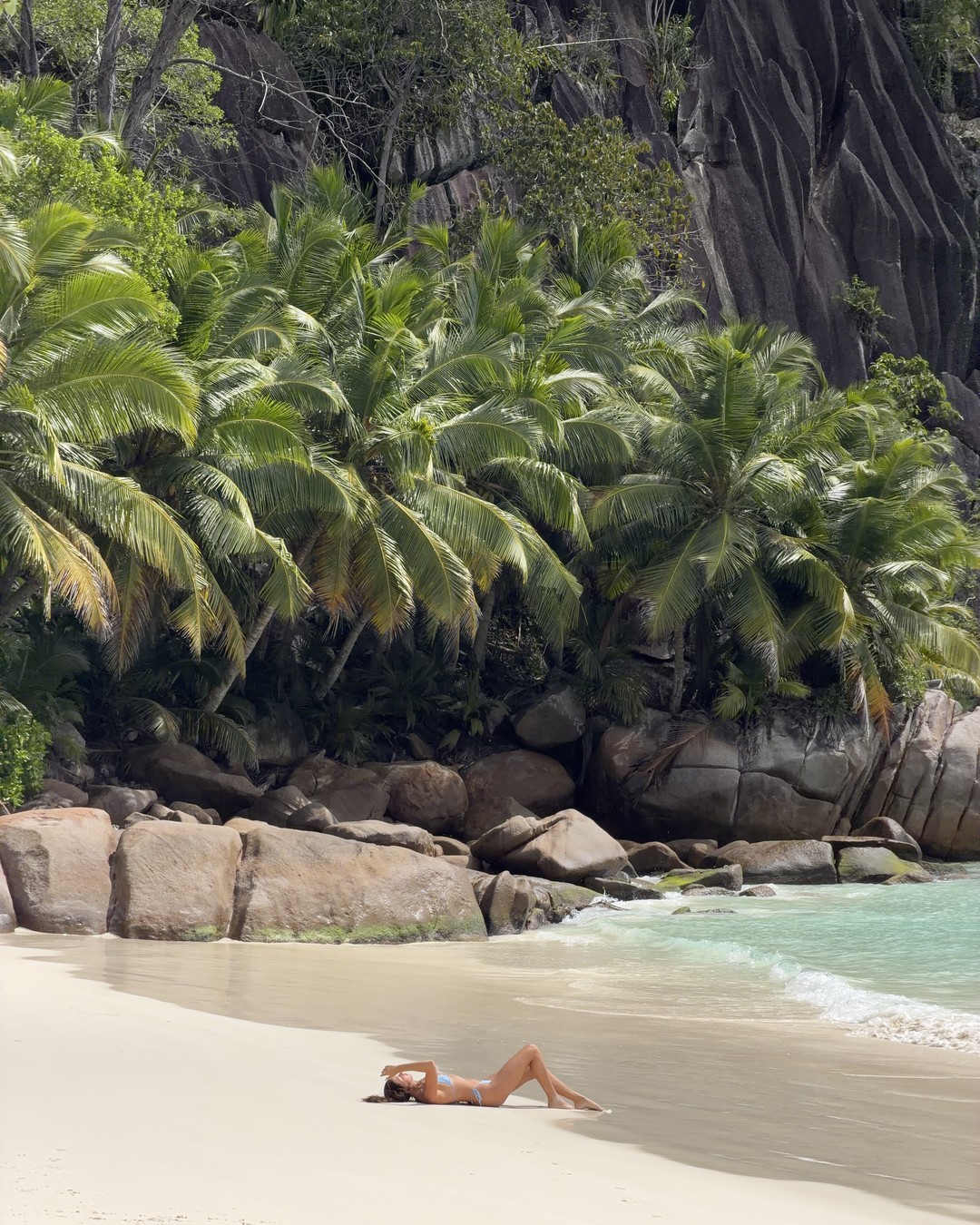
So the practical version is this. If you come between May and September, base yourself somewhere on the north or west side and treat the south and east coasts as places you drive to for the view and the sunset rather than for a swim. Beau Vallon on Mahé and Anse Lazio on Praslin are both on the sheltered side, which is a large part of why our trip worked out as well as it did.
Grand Anse is still absolutely worth the twenty minute ride from the main town on La Digue, by the way, because it is beautiful and it has the sweetest palm leaf shade huts the whole way along it! Just go for the walk, not for the water. Ellen's tip if you do go: head left when you reach the beach, that was the prettiest corner, next to the rock where the palm trees are.
If you would rather not work all of that out yourself, our 8 day Seychelles itinerary does it for you. It lays out all eight days across Mahe, Praslin and La Digue in the order we did it, with both ferry crossings placed on the right mornings, every beach we swam at pinned on a map with our notes, and a builder that puts your eight days together in one tap and lets you drag them around from there.
The Two Days the Wind Actually Cost Us
I do not want to make August sound like it was all fine, because two days genuinely were not.
Our first day on Praslin was a write off. It poured with rain in the morning, it stayed heavily overcast, and we sat inside and worked! That is the honest version! We ended up going to a local gym for something to do, which was 75 rupees each for a day pass, and honestly it was a completely fine way to spend a bad morning. But it was a day of a twelve day trip and we did not get it back.
And then there was dinner at Les Rochers. This was the most expensive meal of our entire trip at about A$87, at a restaurant famous for its view, and we ate it sitting indoors because it was too windy to sit outside. Ellen filmed it and you can hear the disappointment: "the view here is absolutely stunning, we're sitting inside because the weather has been awful today and it's so windy outside. I can just only imagine this restaurant on a sunny day with a sunset would be perfect."
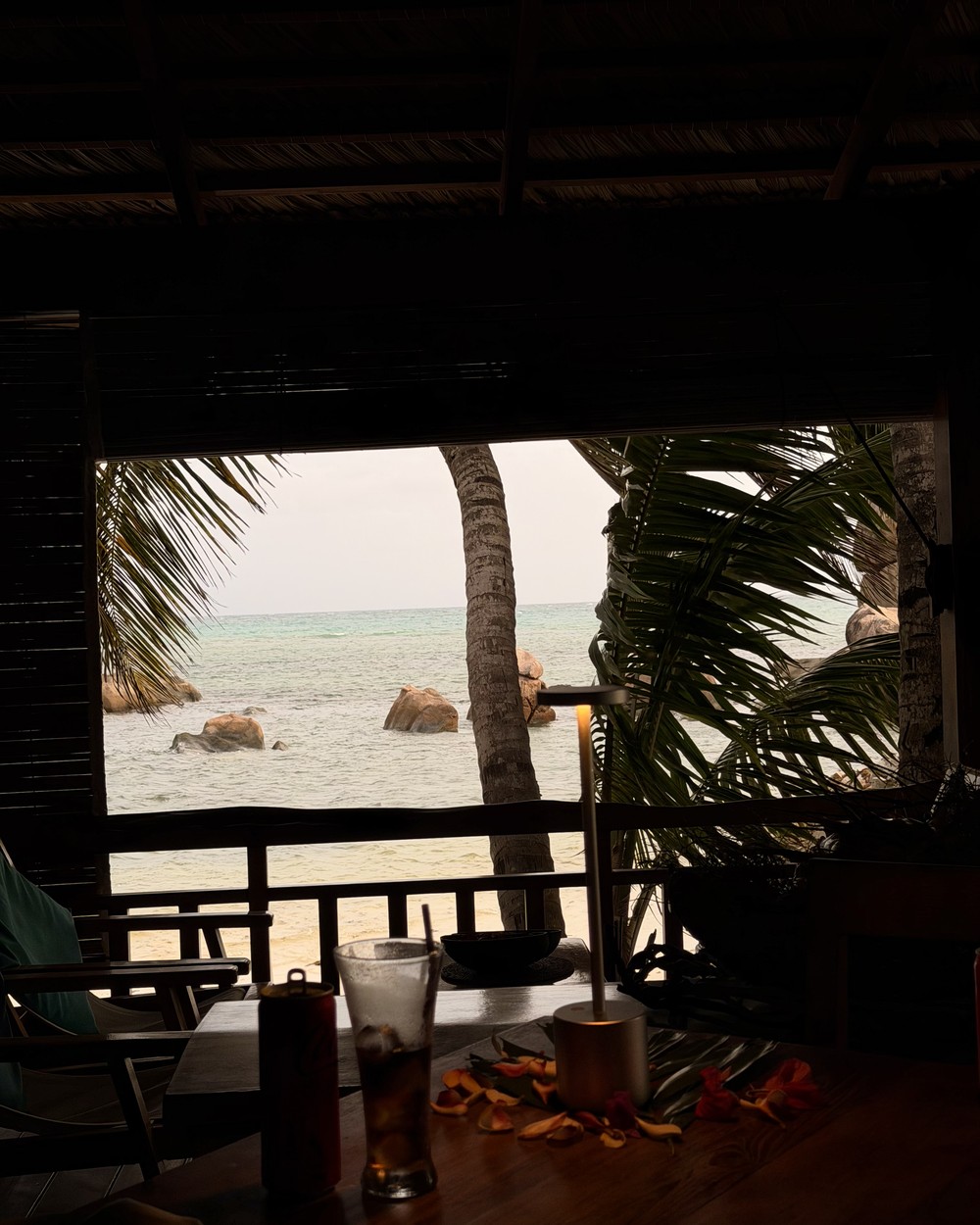
The food was still incredible, for the record, and Daniel called it the best meal we had eaten in weeks of Africa! But if you are picking a month partly for the sunset dinners, that is the kind of thing you are gambling on.
The morning we left Praslin, it changed completely. Ellen's first words that day were "it's a beautiful morning, it's not as windy as the other days and it's barely overcast", and we went straight to Anse Lazio and had the best beach day of the entire trip! So it is not twelve days of grey at all. It is a run of gorgeous days with the occasional one that is not.
The Ferry Is Where You Will Feel the Wind Most
If you take one practical thing from this article, take this one, because it is the part of the windy season that actually caught us out.
The Mahé to Praslin crossing in August is rough. It is an hour and fifteen minutes across open water and it was, in Daniel's words on the day, "hectic". People were being sick around us. He put it as "people are dropping like flies with getting sick", which is not something you want to discover halfway across!
If you are at all prone to seasickness and you are coming in the trade wind season, take something before you board, sit low and central, and keep your eyes on the horizon. We got away with it. Plenty of people on that boat did not.
The Praslin to La Digue leg is completely different, for what it is worth. It is fifteen minutes and it barely registers!
When We Would Go Instead, and Why
This is the research half of the article, and I am labelling it clearly because we have not been at any other time of year.
April and October are the two months that came up over and over. They are the changeover months between the northwest and southeast wind seasons, which means the wind drops away at both ends of the year and the sea goes calm on every coast at once rather than just the sheltered ones. If snorkelling and swimming everywhere is the main reason you are going, that is a real difference and not a marketing line.
May to September, which is when we went, is the dry and cooler half. It is genuinely the better half for hiking and for anything active, and I can back that bit up first hand: we did the Copolia trail on Mahé at one in the afternoon and it was completely manageable, about thirty minutes up and twenty five back down.
November to March is the hot, humid, wetter half, with the heaviest rain around December and January, and calmer, lighter winds. That is research, not experience.
One temperature fact I can give you first hand, and it is honestly my favourite thing we learned on the whole trip! At the Takamaka rum distillery on Mahé they explained that they can only age their rum for three to four years, because it never drops below about twenty four degrees and any longer than that and the alcohol simply evaporates. So it is warm all year! That is not the variable you are choosing between.
Ellen's own conclusion, on camera, is the one I would give you too:
"We came because we were already close, in Tanzania. But if you're planning a trip and you're travelling really far, I probably would try to come in the other time of the year."
Month by Month, and What We Can Vouch For
Here is the honest summary, with the source of each line in the third column, because I think that column should be on far more travel articles than it is.
Scroll to see the full table →
| When | What you are getting | Where this comes from |
|---|---|---|
| Dec to Mar | Hottest and wettest, lighter winds, calmer sea | Research, not experience |
| April | The changeover. Calmest seas of the year | Research, not experience |
| May to Jul | Dry, cooler, trade winds building | Research, not experience |
| August | Dry, cool, and their windiest month | We were there |
| September | Trades easing off through the month | Research, not experience |
| October | The other changeover. Calm and quieter | Research, not experience |
| Nov | Warming up, rain returning | Research, not experience |
You will notice we can only genuinely vouch for one row of that table. Most guides you will read do not tell you that, and I would rather be the one that does.
Does the Time of Year Change What It Costs?
Yes, and this is the part where I would push back on our own trip a bit.
August is peak season, and we booked everything two days out. That is not a recommendation, that is a confession! Ellen's own note on our first apartment reads "booked 2 days out, had no other options", and Daniel's summary of the whole thing was "we had no options, everything was super expensive. But our choices that we got were actually really good."
The clearest example is La Digue, where we paid about A$351 a night for two nights, against A$161 and A$168 a night for our two places on Mahé. That is more than double, and I would not present it as the going rate, because it was a last minute price in the busiest month.
For the whole picture, twelve days in Seychelles for the two of us came to A$3,994.33 on the ground, which is accommodation, the three ferries and everything we spent while we were there. That works out at about A$166 per person per day. Accommodation and ferries alone were sixty eight per cent of it, and groceries were seven per cent, because every single place we stayed had a kitchen. That is the lever, far more than the month is.
So if you can go in April or October you are likely to do better on both counts, calmer water and shoulder season prices. And whenever you go, please book earlier than we did!
Everything we booked, and what each place cost a night, is in our Seychelles itinerary, along with the full eight day route across the three islands and all thirty nine spots pinned on our private map with a note and a photo on each one. It is A$9.99, it is a one off, and it is the fortnight of working this out that you get to skip.
Where we actually stayed, and all three of these are on the sheltered side. That was an accident of last minute booking rather than a plan, and it turned out to be the single most important thing about our trip.
Peponi SelfCatering Apartments
Beau Vallon, which faces northwest and was flat every day we were there. About A$168 a night for the two of us, and it has a kitchen, which is the whole reason our food bill stayed sensible.
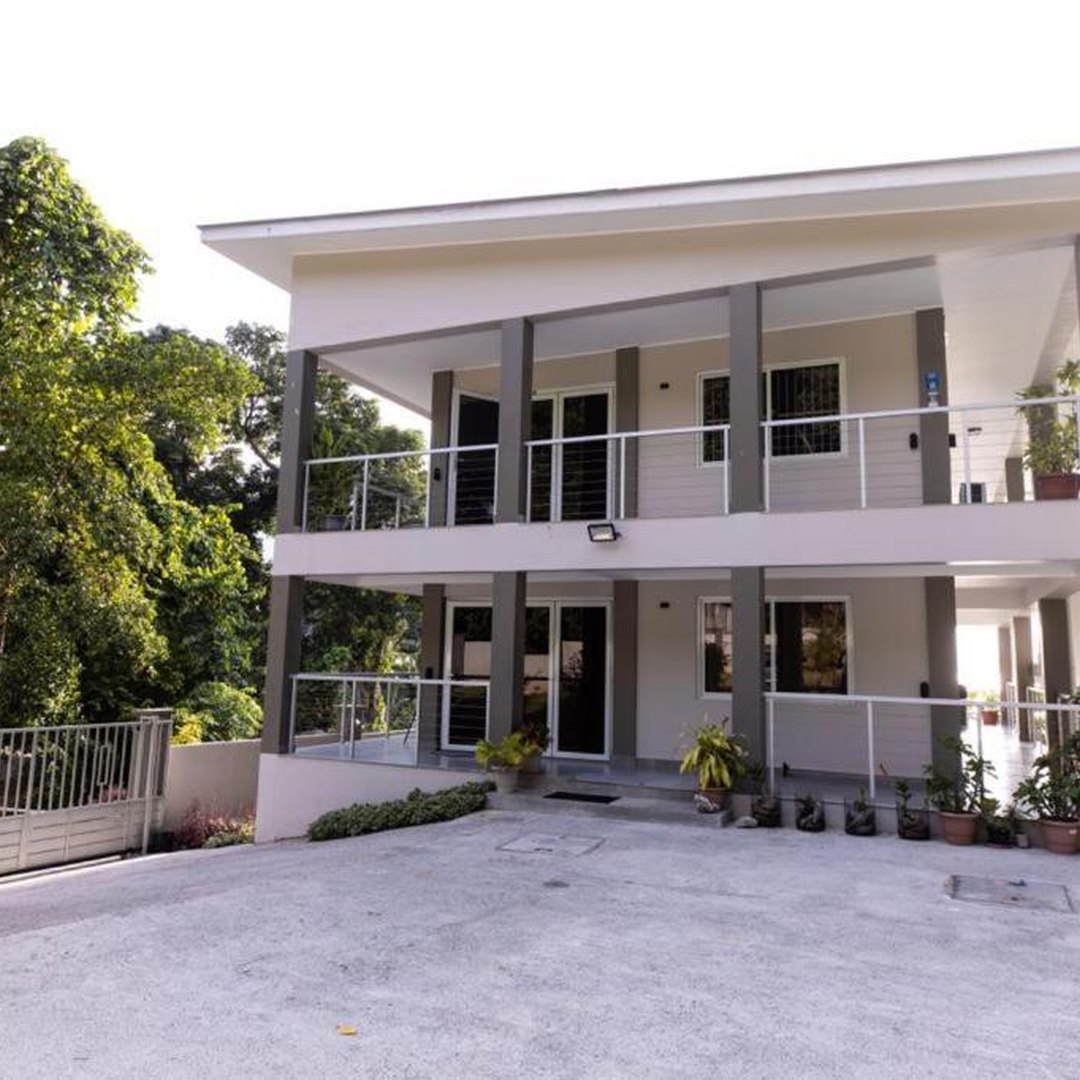
Chez Rona
About A$190 a night. Our host cooked us a Creole dinner for nothing on our last night, which is still one of my favourite memories of the whole trip. It sits at Anse Possession, so it is a drive from Anse Lazio rather than a walk.
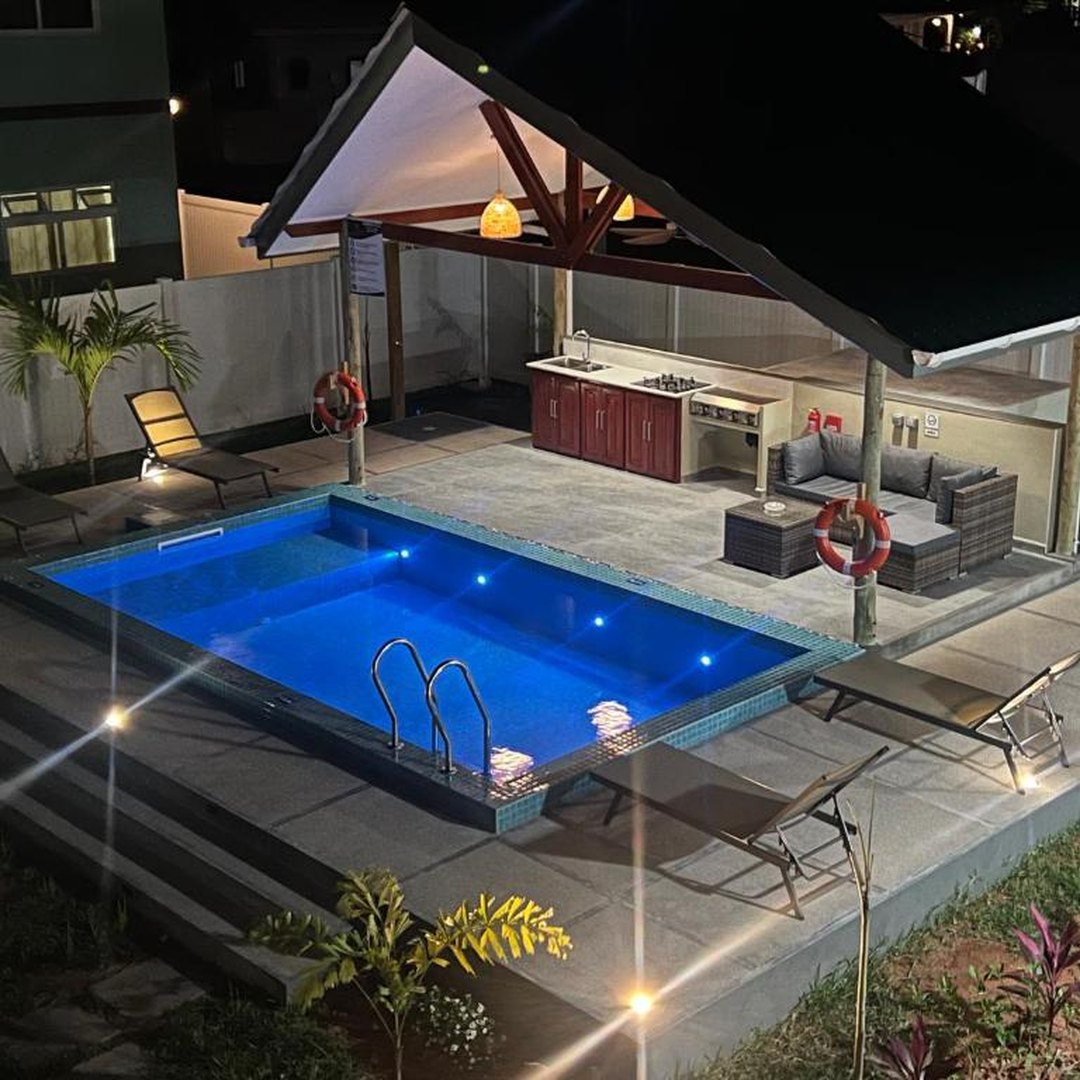
MAZU apartments garden view and pool
The biggest place we stayed, with a pool, and about A$351 a night because we booked two days out in peak August. Treat that as a last minute price rather than the going rate. We would give La Digue three nights next time, not two.
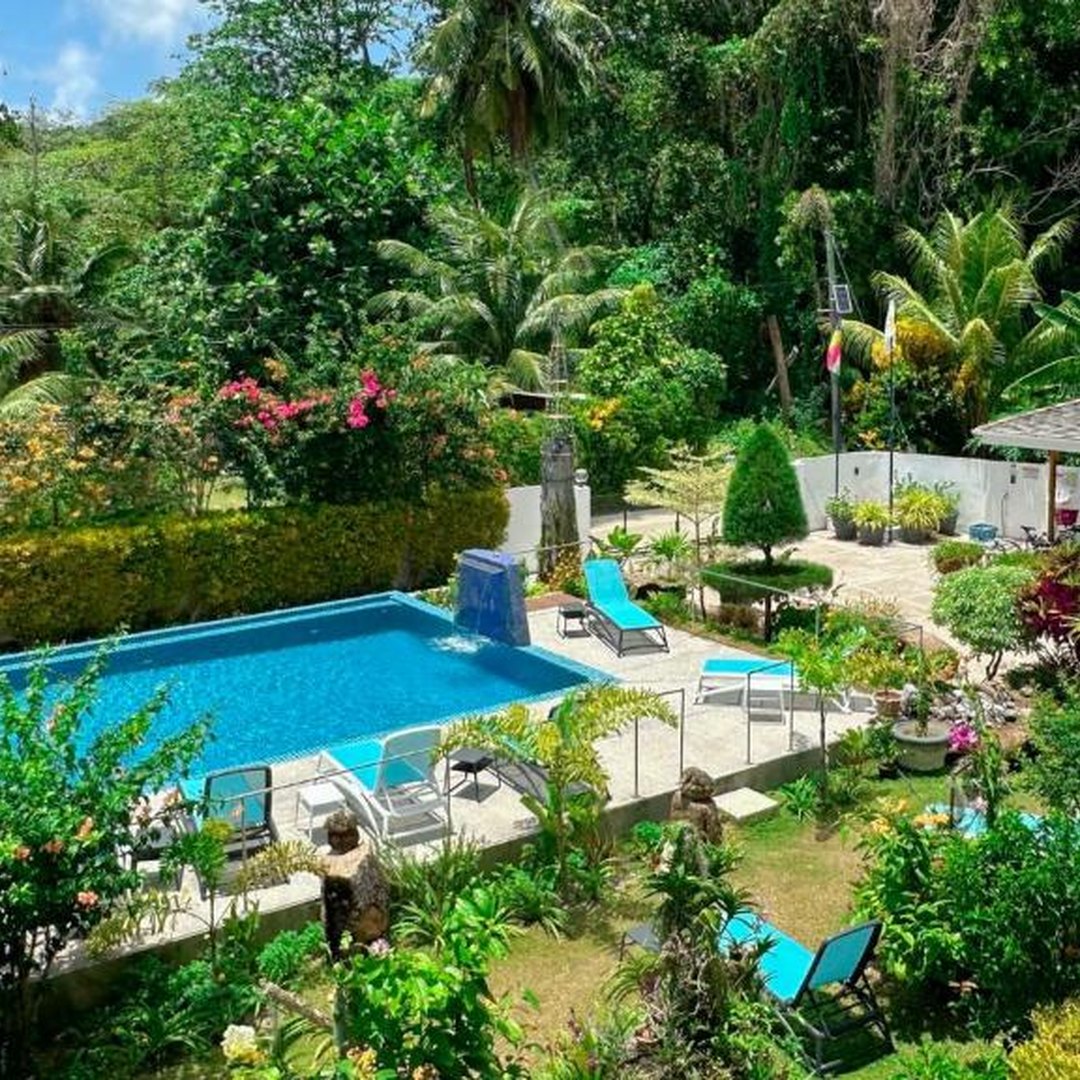
Our first three nights were at a small Airbnb on Beau Vallon called D&M Holiday Apartment, at about A$161 a night, which was lovely and is the one place here we earn nothing from linking. I am including it because it is where we slept.
Watch Our Seychelles Vlog
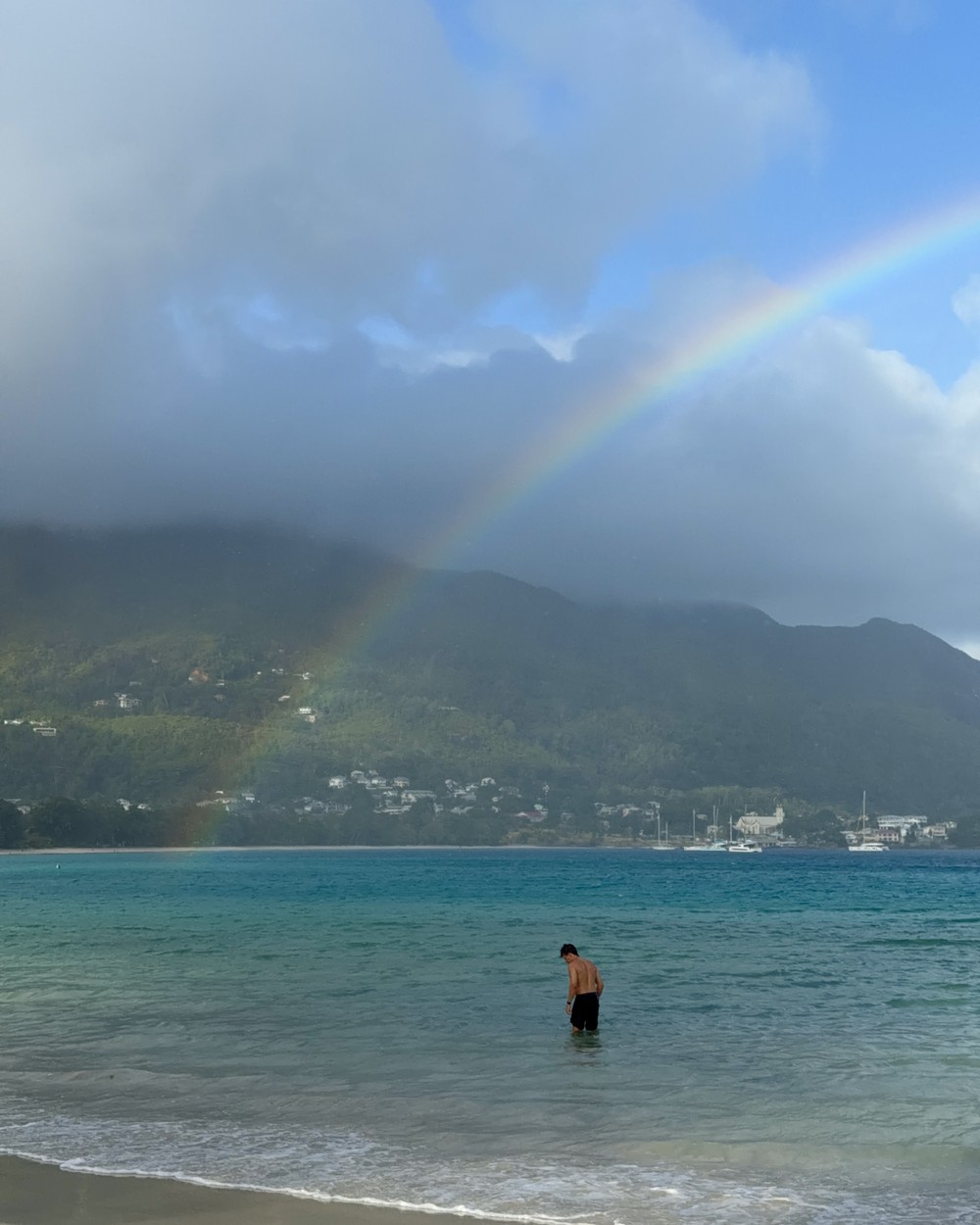
Filmed across all twelve days, so you can see exactly what the windy season looks like, rainbows and rough crossings included.
Watch our Seychelles vlog on YouTube
Still planning? Here is whether the trip was still worth it in August and the things we would do on all three islands and which beaches worked for us in August and where to stay on each island and how we would plan the whole trip and what twelve days actually cost us.
FAQs About the Best Time to Visit Seychelles
What is the best month to visit Seychelles?
April or October, on everything I read after we got back. They are the changeover months between the two trade wind seasons, so the wind drops and the sea is calm on every coast rather than only the sheltered ones. We have not been in either month, so I am giving you that as research rather than as our own experience.
Is August a good time to visit Seychelles?
It is good, and it is not the best. August is the driest and coolest part of the year and also the windiest, so you get lovely weather and a choppy sea on the exposed coasts. We were there for twelve days in August, swam nearly every day, and still would go at a different time if we were flying all the way from Australia again.
Which beaches are calm in the windy season?
North and west facing ones. Beau Vallon on Mahé was flat every single day we were there, and Anse Lazio on Praslin was the best swimming of our trip. Grand Anse on La Digue was the opposite, with a big current and locals telling people not to swim.
Is the sea rough between the islands in August?
The Mahé to Praslin ferry was, yes. It is an hour and fifteen across open water and people around us were being sick! Take something for it before you board. Praslin to La Digue is only fifteen minutes and it was completely fine.
What is the rainy season in Seychelles?
Roughly November to March, with the heaviest rain around December and January, when the northwest winds bring the hot and humid half of the year. That is from research rather than from being there. We had one properly wet morning in twelve days in August.
How hot is Seychelles?
Warm all year, and it does not really vary. The best proof I have is from the Takamaka rum distillery, where they told us they can only age rum three or four years because it never drops below about twenty four degrees and the alcohol evaporates.
Do you need to book Seychelles far in advance?
In peak season, yes. We booked ours two days out in August and had almost no options left, and our two nights on La Digue came to about A$351 a night as a result. The places we got were genuinely lovely, but that was pure luck rather than planning!
How many days do you need in Seychelles?
Eight days is the trip we would sell you, split across Mahé, Praslin and La Digue. We had twelve and used them all, and the one thing we would change is giving La Digue three nights instead of two. The whole route is mapped out day by day in our 8 day Seychelles itinerary.