Planning a Trip to Budapest: What to Book, What to Skip and What It Costs
Start with the thing most guides have not caught up with yet. The Gellert Baths closed on 1 October 2025 and are not due to reopen until 2028. We swam there a few weeks before it shut, which was lucky, and it also means a lot of the Budapest advice sitting online right now is sending people to a building with the doors locked.
That is worth knowing before you book anything, because the baths are usually the thing people plan the trip around.
Budapest is not a complicated city to visit. It is cheap, it is walkable, and none of it needs the kind of forward planning that somewhere like Japan does. But there are a handful of decisions that genuinely change the trip, and almost all of them get made before you leave home.
We lived there for thirty three nights, in an apartment, in August and September 2025. So this is not a weekend of guessing. In this guide I will tell you when we would go, how long you actually need, where we would stay, what a month there cost us down to the category, and the four things I would book before flying.

Planning a Trip to Budapest, My Quick Answer
Four nights, in late spring or early autumn, in an apartment in central Pest. Book your accommodation and one evening river cruise, and leave the rest of it loose. Budapest does not reward a packed schedule.
If you are staying a week or more, get somewhere with a kitchen. That single decision is what makes the city as cheap as everyone says it is.
When to Go to Budapest
I can only tell you honestly about one window, because we were there for one. We arrived on 15 August and left in mid September, and that turned out to be a good half of the calendar to catch.
Mid August was hot and busy. By the first week of September the city had visibly emptied out, the evenings had cooled to the point where sitting by the river was pleasant rather than sticky, and the queues at the places worth queueing for had shortened. If I were booking again for the same kind of trip, I would go in the first two weeks of September and I would not think twice about it.
What I am not going to do is pretend I can tell you what Budapest is like in February, because we have never been. Plenty of guides will give you a confident season by season breakdown written by somebody who went once in June. Ours covers late summer into early autumn, and on that I would say the back half of it is the sweet spot.
How Long You Need in Budapest
Four nights. Three is enough to see the city and four is enough to like it, and the difference between those two things is one slow day.
We had thirty three, which is an absurd number and not what I am recommending. But having that long meant we found out what we would actually keep, rather than guessing at what fits. Three full days covers the sunrise, a bath, the library and a night out. The fourth day is the one where you stop moving, and Budapest is a city that repays sitting still in it.
If you want the full version of this argument, including what I would cut first, it is in how many days you need in Budapest.
Add a fifth night if you want the Bratislava day trip, which is a two and a half hour train ride and a genuinely good day out.
The One Morning I Would Build the Whole Trip Around
If you take one thing from this entire guide, take this. It is free, and it is the best thing we did in a month of living there.
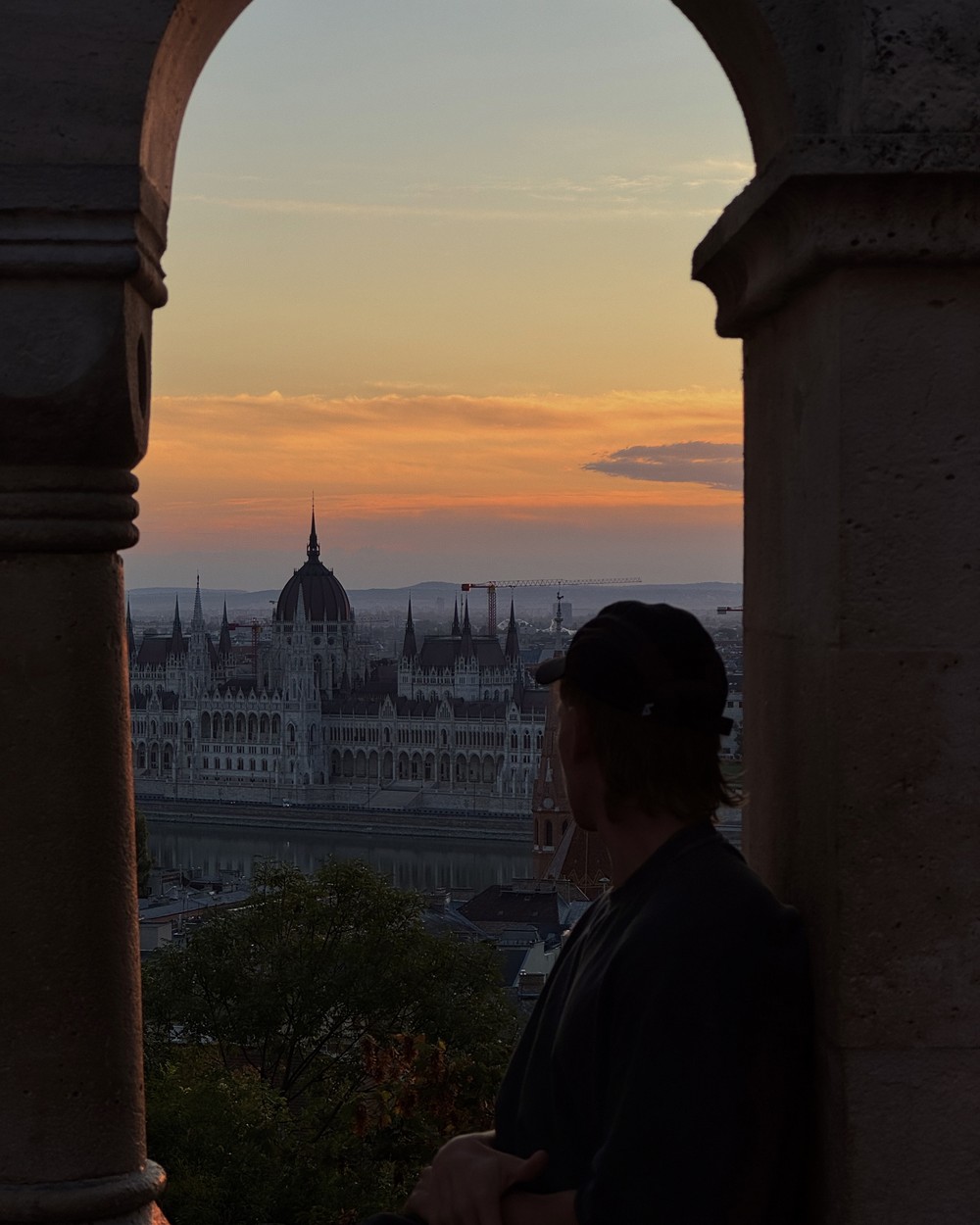
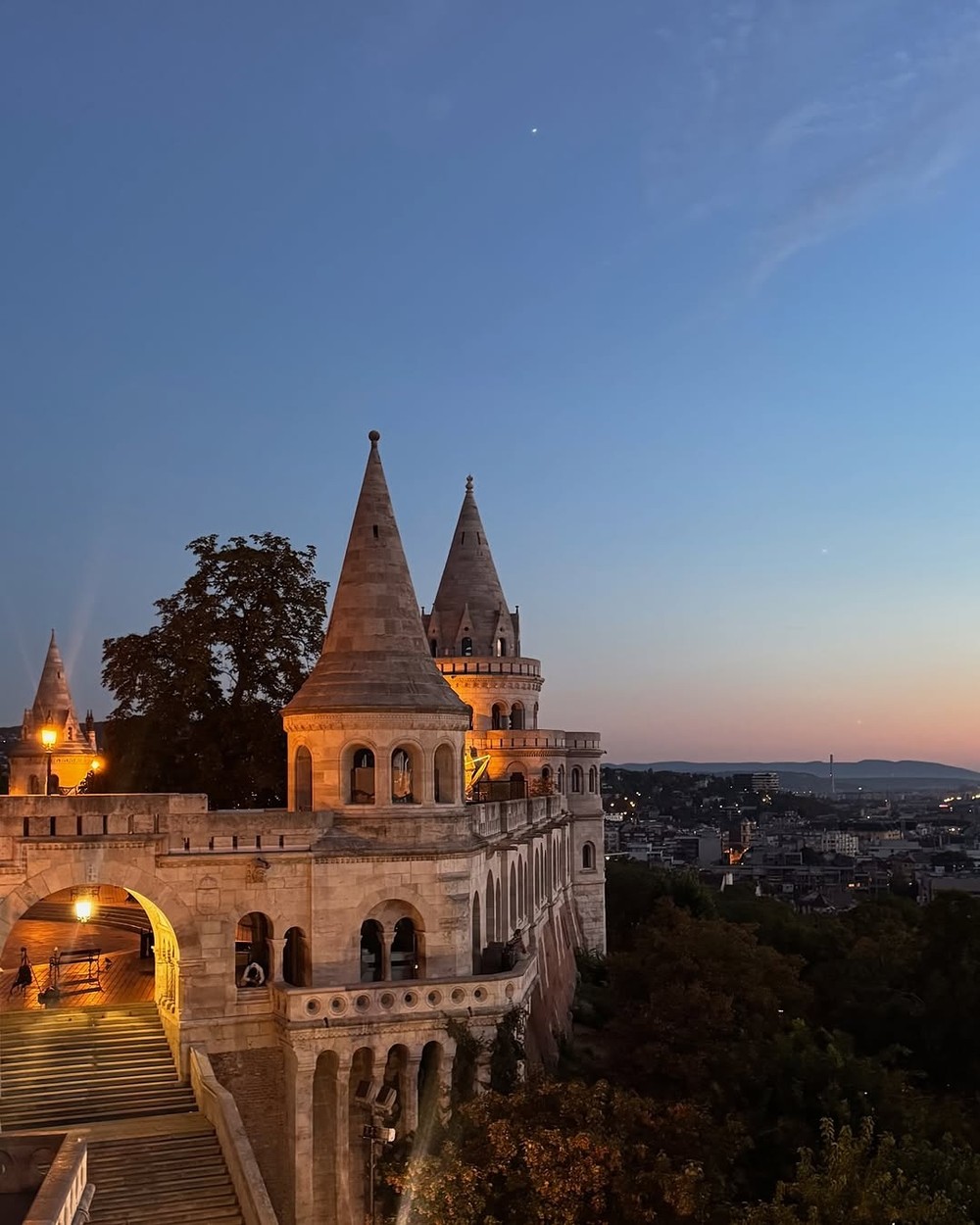
Set an alarm for 4:30am. Be at Fisherman's Bastion by about 5:30. The upper terraces charge a small fee in the daytime, but at that hour the whole thing is open and empty, and the sun comes up behind Parliament across the river. There were a handful of other people there and that was it.
We were finished by about twenty to seven, which lines up almost exactly with the other thing worth doing early.
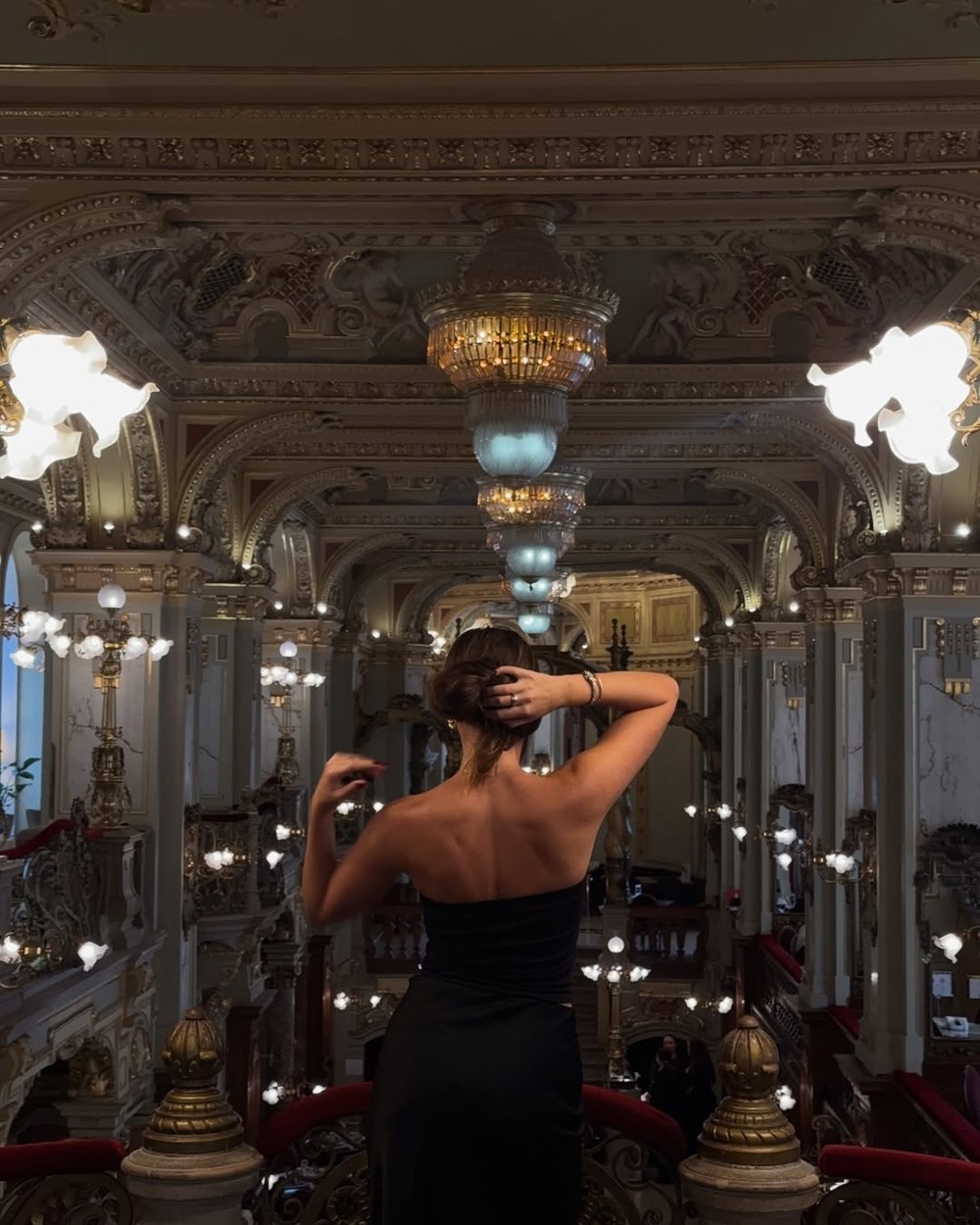
Walk or take an Uber to New York Cafe for the 7am opening. We got there at ten to seven and there were four or five other people inside what gets called the most beautiful cafe in the world. By half eight it is packed and there is a line outside the door.
Order the eggs benedict, which I would rate ten out of ten. Skip the porridge, which was about A$27 and bland. Then go back to bed for an hour, because you have been awake since half four.
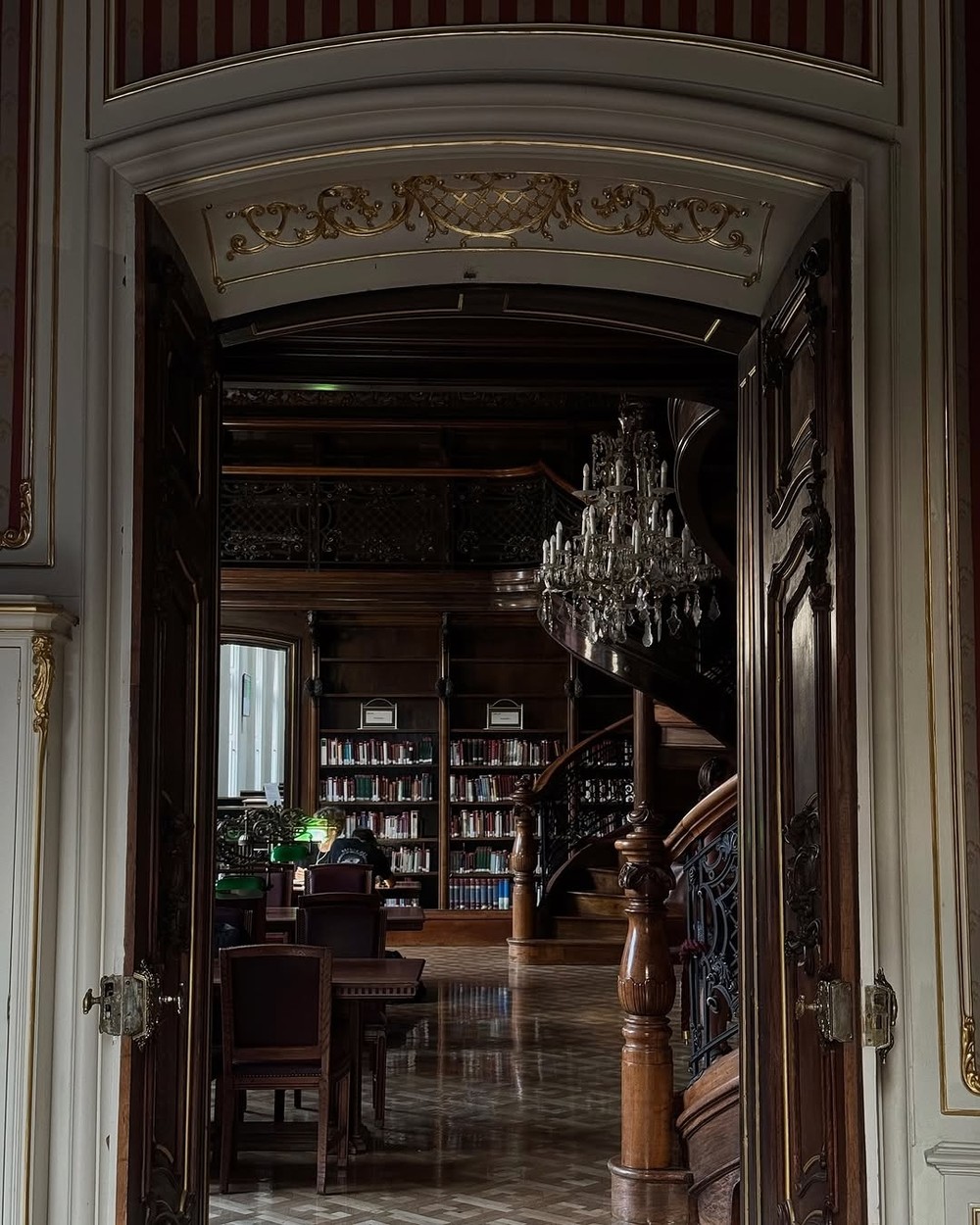
Then the Metropolitan Ervin Szabo Library, which is the one I would never have found on my own. It is a working public library inside a former palace, chandeliers and gilt ceilings and students quietly getting on with their work underneath all of it. A tourist ticket is about A$8.70 and it is the best value thing in the city by a distance.
Where to Stay in Budapest
Two decisions here, and the first one matters more than the second.
Decide whether you want a hotel or a kitchen. For three or four nights, take a hotel in central Pest and eat out for every meal, because the food is the reason to be there. For a week or more, get an apartment. We paid A$36.28 each per night across thirty three nights for a whole apartment, and having somewhere to cook is the single biggest reason our month came in as cheap as it did.
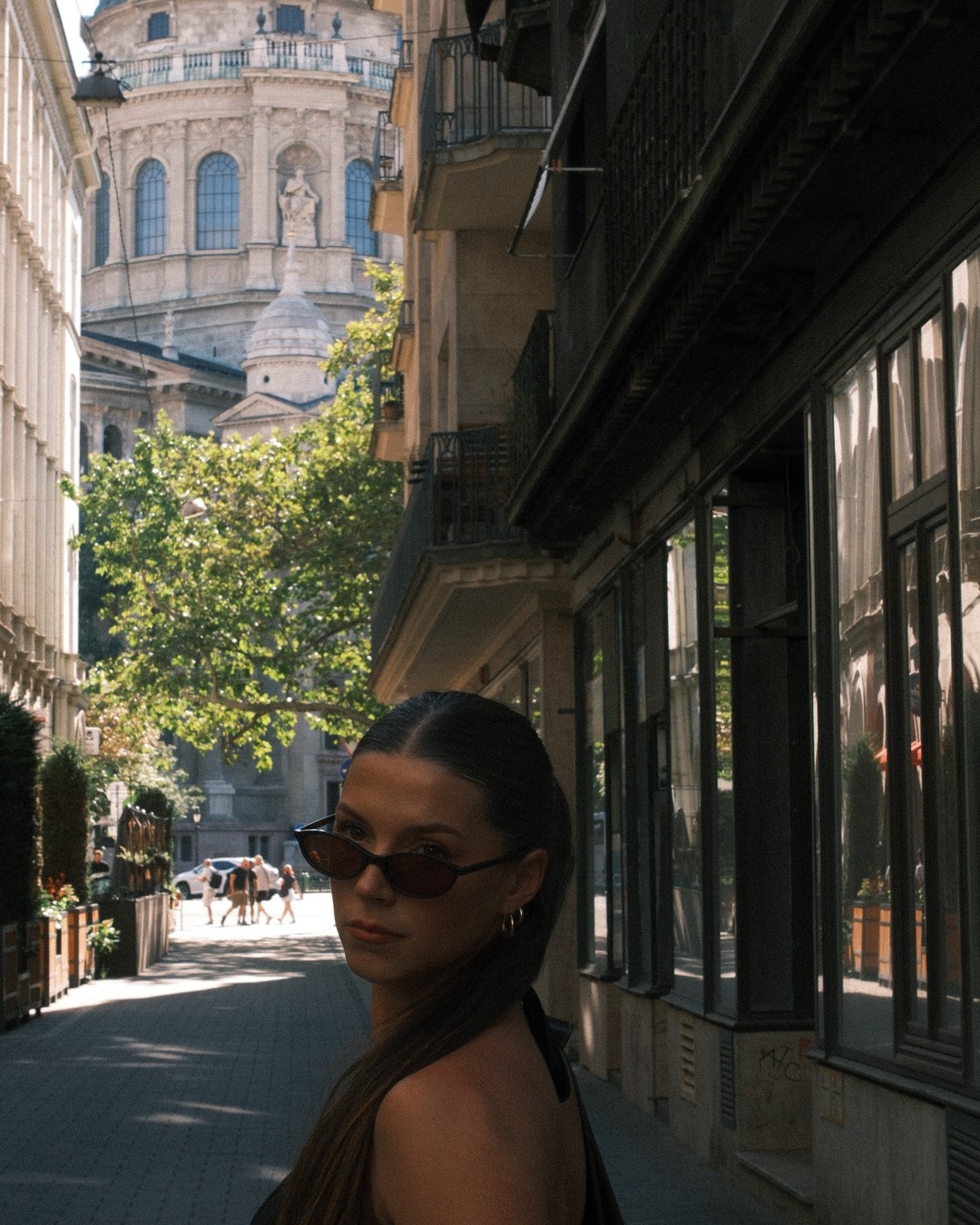
For the area, we would stay in central Pest, districts five to seven. That puts you walking distance from the ruin bars, the market, the river and most of the food, and Budapest is flat and walkable enough that being central genuinely removes the need to think about transport at all. Near the Opera and Andrassy is lovely, and riverside near Parliament puts the best view in the city on your doorstep.
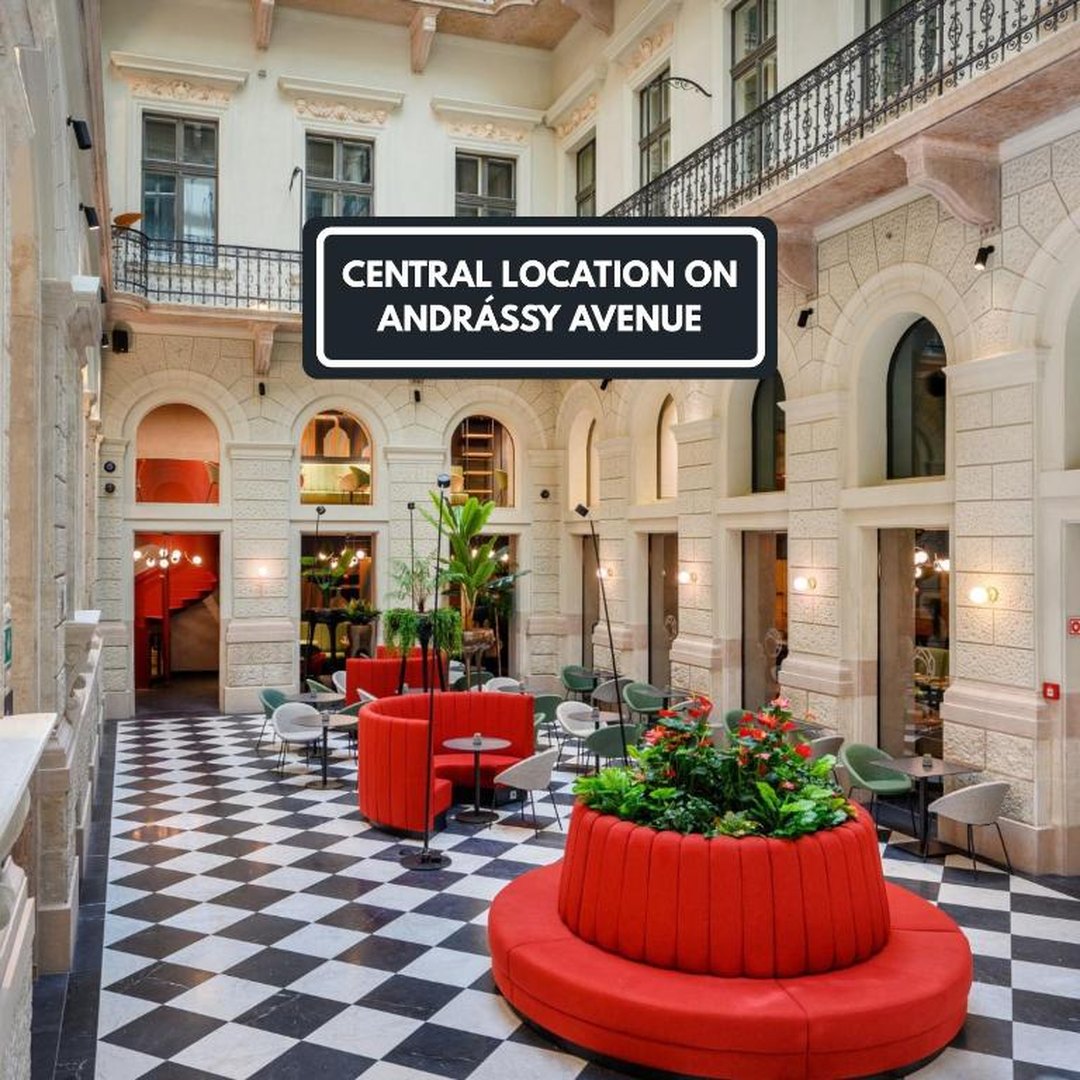
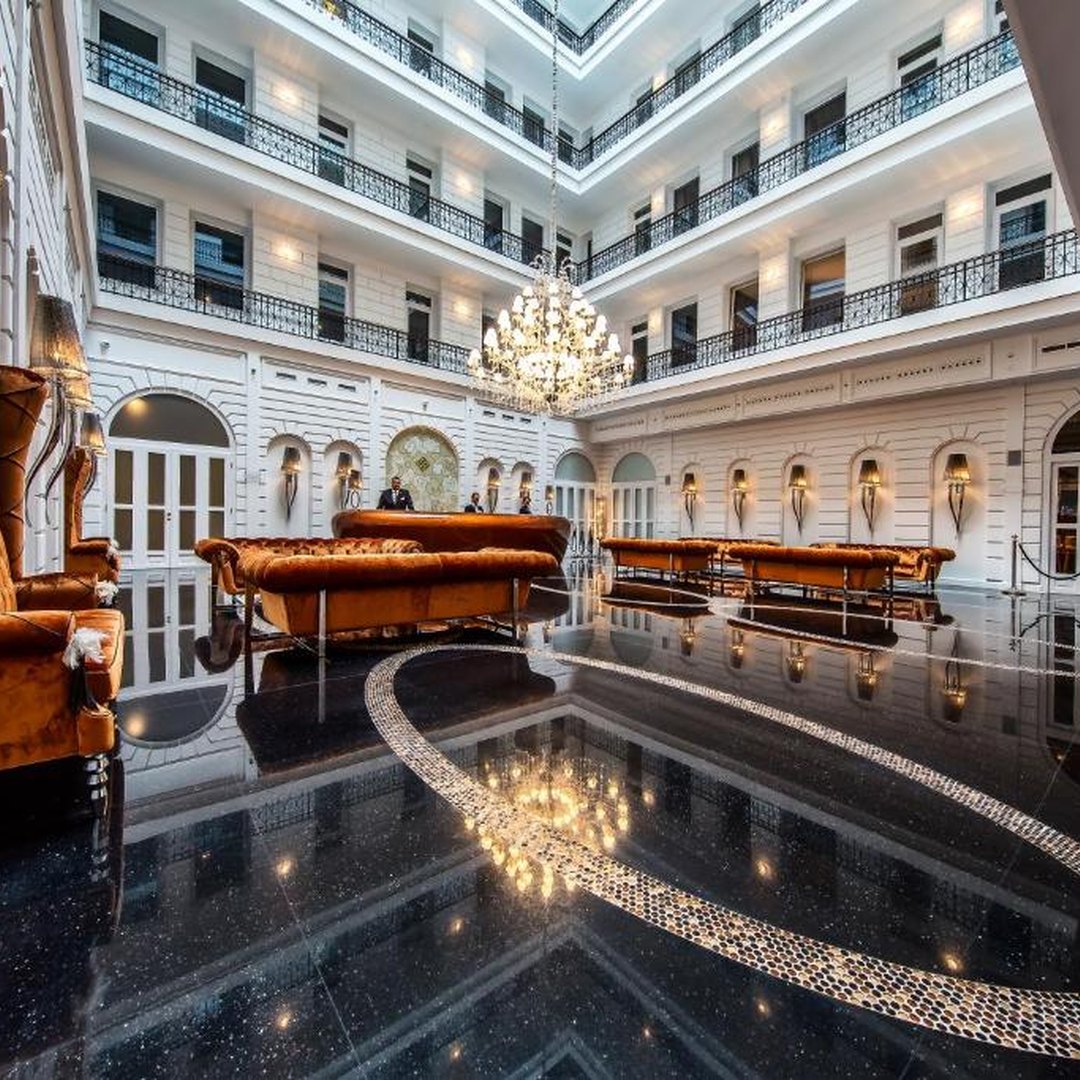
The two we would book. Both are central, both have the kind of architecture you come to Budapest for, and we can vouch for neither bed. We tried to book both for a single night in the middle of our month and could not get into either.
Hotel Oktogon Haggenmacher
Central Pest. One of the two we tried to book for a night while we had the apartment, and could not get in. The architecture is the reason.
Prestige Hotel Budapest
Also central, also gorgeous, and also full when we tried. If you are only in Budapest a few nights, this is the sort of building to stay in.
What Budapest Actually Costs
Almost nobody publishes real numbers for this city, so here are ours. This is Daniel's on the ground spend, per person, across thirty four days, taken from every transaction rather than estimated afterwards.
A$2,643.43 per person over thirty four days, which is A$77.75 a day. Add accommodation at A$36.28 per person per night and the all in figure is roughly A$114 per person per day, excluding flights.
Scroll to see the full table →
| Category | Total | Per day | Share |
|---|---|---|---|
| Groceries | A$708.03 | A$20.82 | 26.8% |
| Restaurants | A$638.19 | A$18.77 | 24.1% |
| Shopping | A$393.78 | A$11.58 | 14.9% |
| Activities | A$373.67 | A$10.99 | 14.1% |
| General, mostly ATM | A$232.95 | A$6.85 | 8.8% |
| Transport | A$123.61 | A$3.64 | 4.7% |
| Coffee | A$93.52 | A$2.75 | 3.5% |
| Drinks | A$79.68 | A$2.34 | 3.0% |
We spent more on groceries than on restaurants. That has not happened to us in any other country, and it is the honest answer to whether Budapest is cheap: it is cheap the way living somewhere is cheap, not the way a holiday is cheap. If you are there for four nights and eating out every meal, your daily number will look nothing like ours.

The full breakdown, including the golf and the gym membership and all the other things that give away a month of living rather than a fortnight of sightseeing, is in what a month in Budapest cost us.
Getting Around Costs Almost Nothing
Look at that transport line again. A$3.64 a day, in a European capital. That is the number I find hardest to believe myself, and it is the single biggest reason Budapest works out cheaper than anywhere else we have stayed this long.
The reason is that we walked nearly everywhere. Pest is flat, the blocks are short, and our apartment had almost everything worth seeing inside a thirty minute walk. If you stay central you can more or less delete transport from your budget.
When you do need it, a single ticket is 500 HUF, roughly A$2, and it is cheaper again if you buy a ten pack. Get the Budapest Go app before you land and buy through that rather than hunting for a machine.
One thing that genuinely catches people out: you have to validate the ticket. Buying it is not the same as using it. Validate at the machine as you board or with the driver, because inspectors do check and you can be fined for holding a ticket you paid for and never stamped.
There is no need for a rental car. We did not use one for a single day of the month.
What I Would Book Before You Fly
Four things, and only the first two are non negotiable.
Book your accommodation early. Central Pest fills up, and we know that first hand because we tried to grab a hotel for one night in the middle of our month and could not get into either Hotel Oktogon Haggenmacher or Prestige Hotel Budapest, which were the two we wanted.
Book one evening river cruise. We paid A$40 each for about ninety minutes with unlimited Aperol, beer and wine, and the city from the water at night is genuinely worth doing once. This is the cruise, and it has over forty seven thousand reviews at 4.8, which is the highest reviewed thing I have ever linked. One warning from our own mistake: check the sailing time, not just the route. There are slots running from seventy five minutes to four hours, and Parliament is the shot everybody is really booking for. We went past it before the lights came on, and only worked out what we had missed as the boat was docking. Book a departure late enough that you are on the water after dark.
Sort your itinerary before you land, not on the first morning. This is the one people leave until they arrive and then lose half a day to. We put everything we found in a month into our Budapest guide, with the venues grouped by area so you are not criss crossing the city.
If you are travelling solo, consider a ruin bar crawl. We did the ruin bars ourselves and had a brilliant night, and you can absolutely do the same. But we met people on an organised crawl while we were out and they were clearly having a better night than the couples standing around on their phones. If you are on your own, it is a good way in.
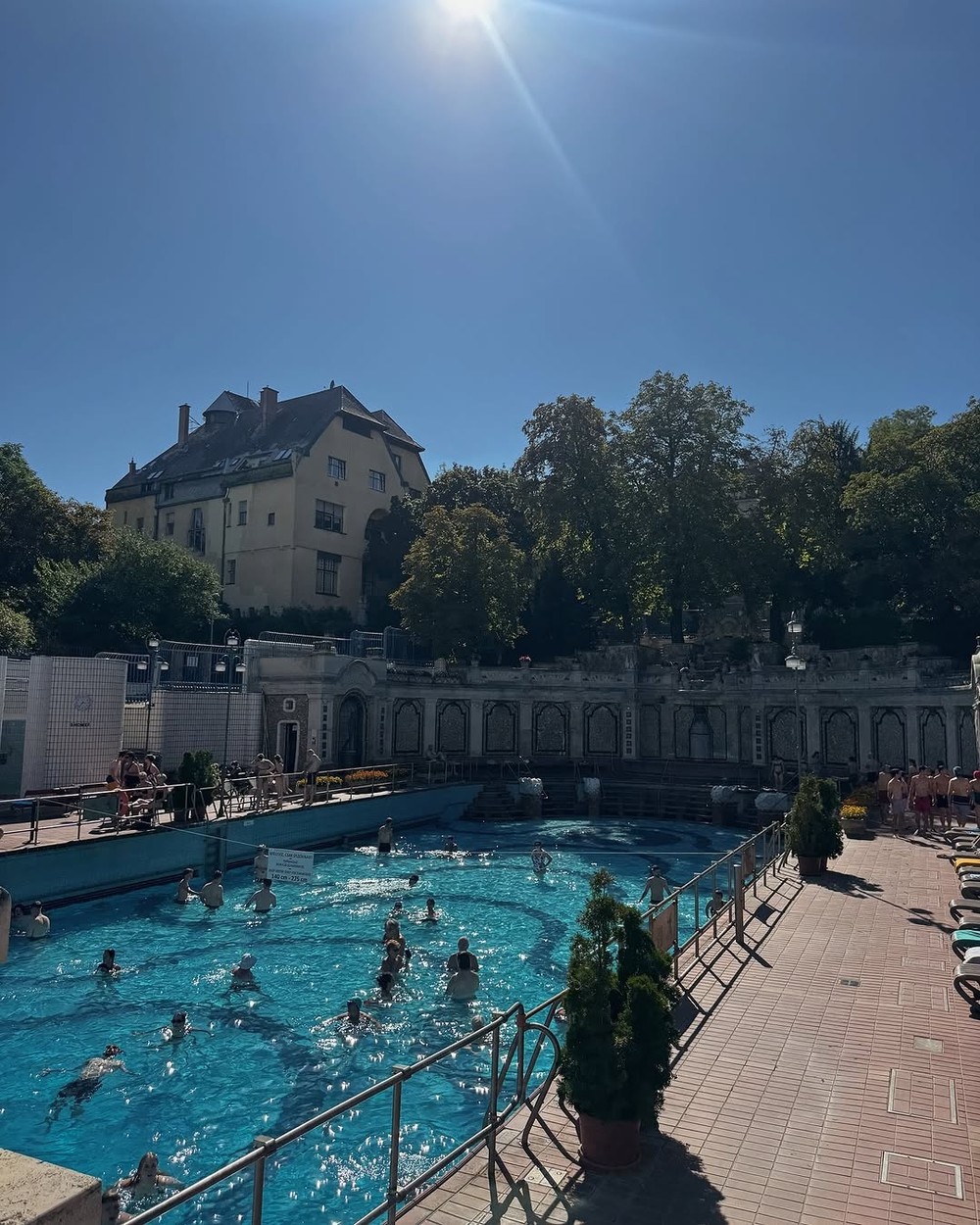
What I would not book ahead: the baths. We went to two and walked into both. Palatinus, out on the island, was A$23 for an adult all day and it was our favourite by some way, with masses of grass so you are not fighting anybody for a sunbed, plus slides, saunas and a cold plunge. Gellert was A$55 and it is the beautiful one, art nouveau tiling everywhere, and as of October 2025 it is shut until 2028. Szechenyi is the famous yellow one and the obvious alternative, though we never made it there so I am not going to pretend to have a view on it.
And if you would rather have the Bratislava day organised for you, there is a guided trip that combines it with Vienna, though it is a full twelve hour day. We took the train ourselves and would do that again.
What I Would Skip
The Central Market Hall. It gets on every list and we found it a little underwhelming. Go if you want a fridge magnet, but do not build a morning around it.
The porridge at New York Cafe. A$27, and bland. The eggs benedict is the order.
Paying to see the Bastion in daylight. The upper terraces have a fee during the day and there is no need to pay it. Go at sunrise when it is open and empty, and go back after dark, which is a completely different building.
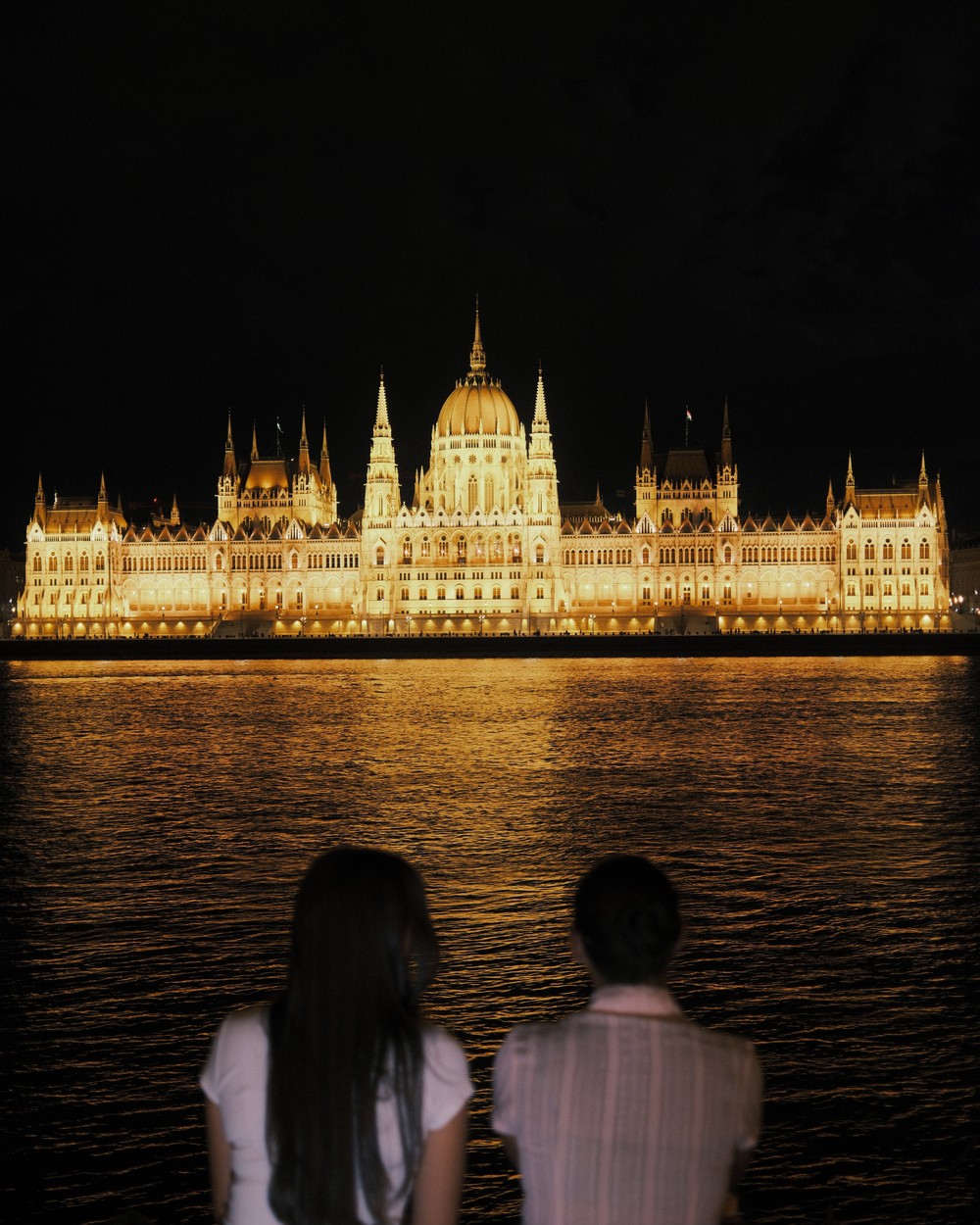
A packed schedule. The best day we had in Budapest was a takeaway pizza from Crudo eaten on the riverbank watching Parliament light up, which cost about six dollars. Leave room for that.
Where to Eat, Because This Is the Real Reason to Go
After eleven months of full time travel, Budapest is the best city for food I have found. That is not a line I use often and I mean it.
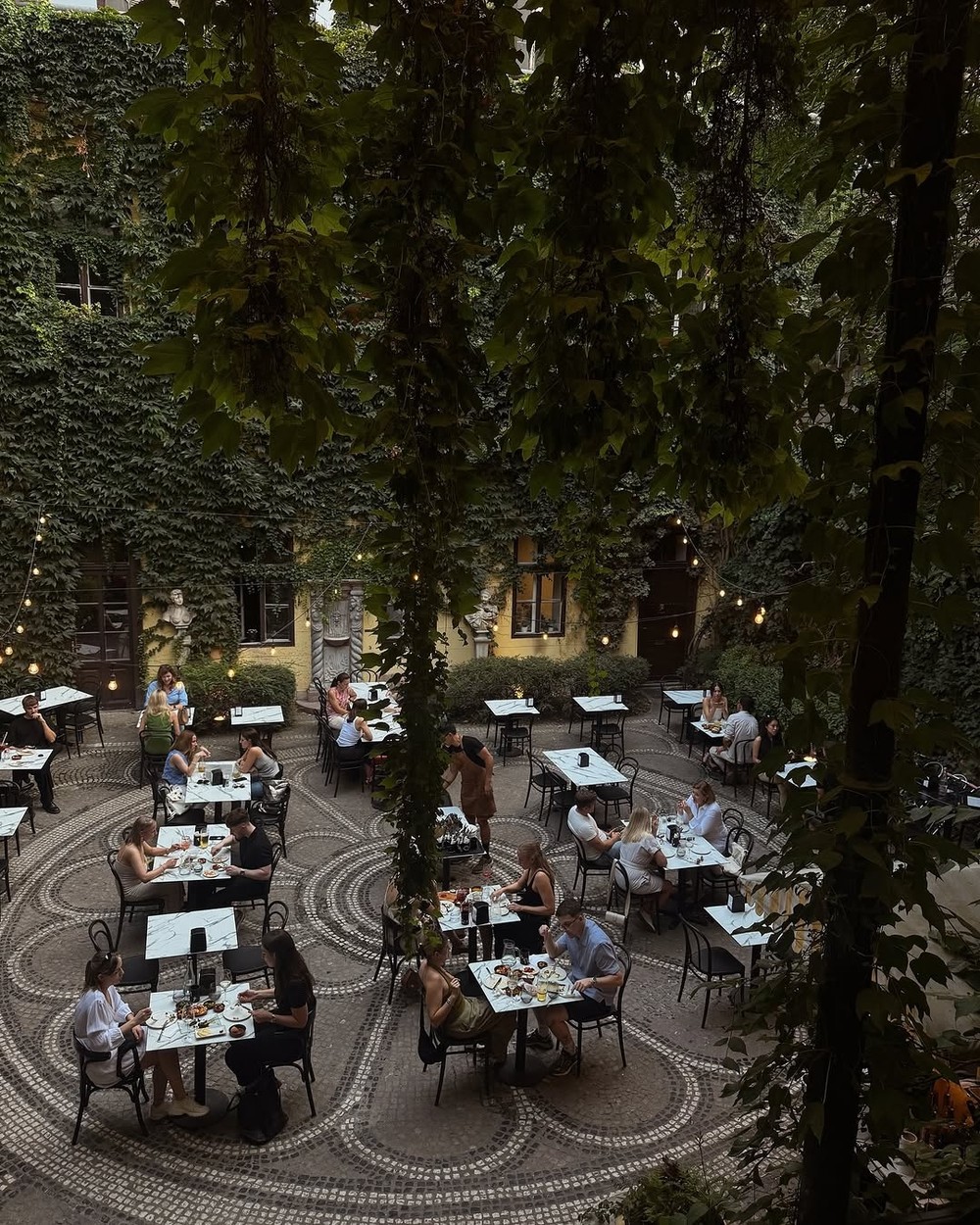
The short version: Retro Langos for traditional langos, BORS Gastrobar for goulash soup and baguettes, Buddy's for smash burgers, Cookie Beacon for the best cookie I have ever eaten, Rolly for cinnamon rolls I still think about, and Arquitecto Pitpit for the courtyard. The long version, with everywhere we ate in a month, is in where to eat in Budapest.
Still planning? Here is every number from our month there and everywhere we actually ate.
FAQs About Planning a Trip to Budapest
How many days do you need in Budapest?
Four nights. Three full days for the sights and one with no plan at all. Three works if that is all you have, you will just be moving faster than the city wants you to.
Is Budapest expensive?
No. Our month worked out at about A$114 per person per day all in, excluding flights, against A$164.55 for our time in Turkiye. The catch is that our figure includes a kitchen. Eat out three times a day for four nights and it will look different.
Is Budapest walkable?
Very. We walked almost everywhere for a month and spent A$3.64 a day on transport. Stay in central Pest and you can more or less ignore public transport entirely.
Do you need cash in Budapest?
Cards worked nearly everywhere we went, and we still took cash out. Our ATM withdrawals came to about 8.8% of everything we spent, so it is worth having some on you rather than relying on a card for absolutely everything.
What is the best area to stay in Budapest?
Central Pest, districts five to seven. Near the Opera and Andrassy is beautiful, and riverside near Parliament gives you the best view in the city. All three keep you inside walking distance of the food, the market and the ruin bars.
Are the Gellert Baths still open?
No. They closed on 1 October 2025 for a full restoration and are not expected to reopen until 2028. We got in a few weeks before it shut. Palatinus is my recommendation instead, and Szechenyi is the famous alternative.
Do you need to book the thermal baths in advance?
We did not. We walked into both of the ones we visited without booking anything. Palatinus was A$23 for an adult all day and had plenty of room.
Want your Budapest itinerary planned in a couple of clicks?
Tell it how long you have got, and it lays the days out from everywhere we actually went.
- Two lengths, a short trip or the full week
- Only places we actually went, never a generic list
- Walking times, and when the tram is worth it
- Share it to your notes or send it to whoever you are travelling with